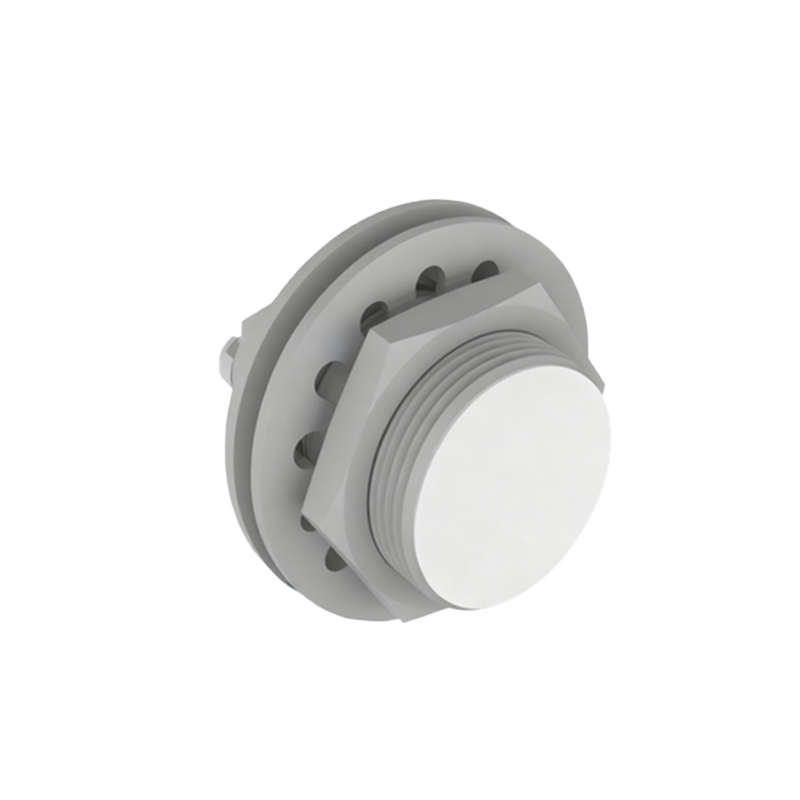
In the realm of industrial automation and control systems, reed proximity switches stand as a fundamental and highly reliable sensing solution. These devices, often referred to simply as reed switches, operate on a simple yet elegant magnetic principle, offering contactless detection of ferromagnetic objects. Unlike optical or capacitive sensors, reed switches are immune to many environmental contaminants like dust, oil, or non-conductive fluids, making them a robust choice for demanding applications.
At the core of a reed proximity switch is the hermetically sealed reed capsule. This capsule contains two ferromagnetic, nickel-iron reed blades (or contacts) that are overlapped but separated by a small gap inside a glass tube filled with an inert gas. When an external magnetic field is introduced—typically from a permanent magnet attached to the target object or from an integrated magnet within a sensor housing—the reed blades become magnetically polarized. This causes them to attract each other, flex, and make physical contact, thereby closing an electrical circuit. Once the magnetic field is removed, the natural spring tension of the blades forces them apart, breaking the circuit. This binary operation (open/closed) provides a clear and definitive signal for control logic.
The primary advantages of reed proximity sensors are their simplicity, longevity, and low power consumption. With no active semiconductor components in the basic switch element, they can handle relatively high voltages and currents directly. The hermetically sealed contacts are protected from oxidation and corrosion, leading to an exceptionally long operational life, often rated in billions of cycles. Furthermore, they function with zero power consumption in their passive state, only drawing current when the circuit is closed during detection.
Typical applications for reed proximity switches are vast and varied. They are ubiquitous in security systems, used as door and window sensors where a magnet on the moving part actuates a reed switch in the frame. In automotive applications, they are found in gear position sensing, brake fluid level detection, and seatbelt buckle indicators. Industrial machinery utilizes them for position sensing of cylinders, end-of-travel limits on actuators, and RPM detection by sensing passing gear teeth. Liquid level control in tanks often employs float-mounted magnets that pass by a series of reed switches to indicate specific levels.
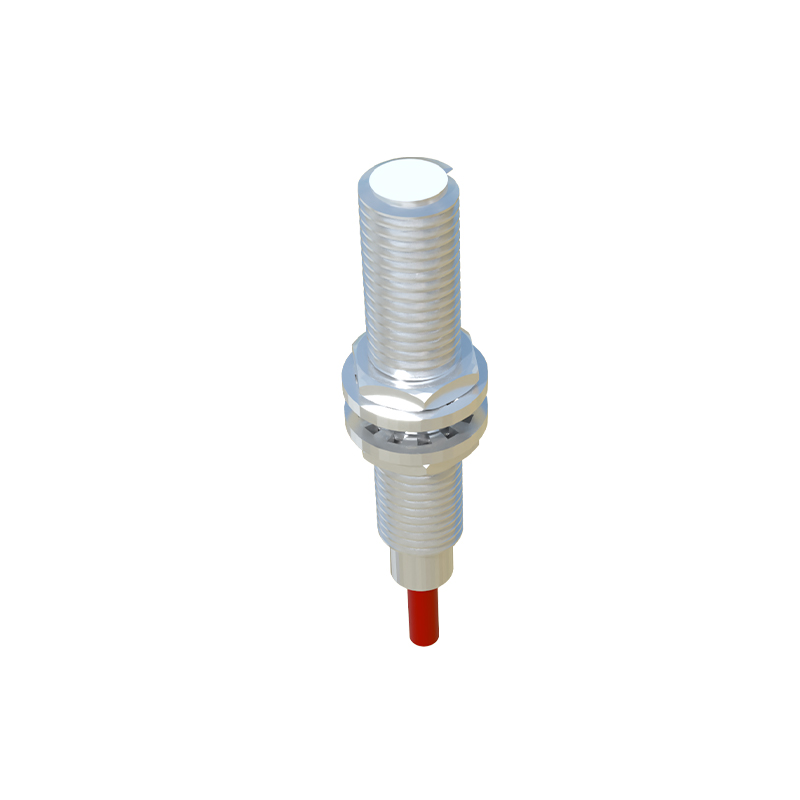
When selecting a reed proximity switch for a project, several key parameters must be considered. First is the sensing distance, which is typically quite short (a few millimeters to tens of millimeters) and depends on the strength of the actuating magnet. The switch rating, including maximum voltage (AC or DC), current carrying capacity, and switching power, must align with the load requirements. Form factor is also critical; reed switches come in miniature SMD packages for PCBs, cylindrical threaded barrels for industrial mounting, and rectangular plastic housings. Engineers must also consider the operating temperature range, especially for harsh environments, and the type of output—normally open (NO), normally closed (NC), or changeover (SPDT).
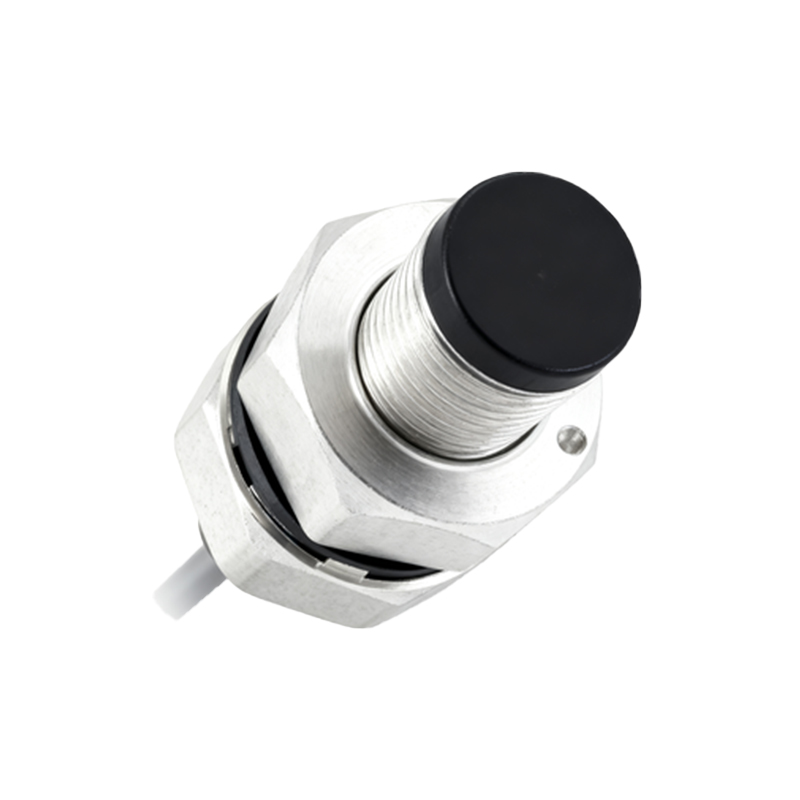
Installation and usage also require attention. While inherently robust, reed switches can be sensitive to strong external magnetic fields, which may cause false triggering. Mechanical shock and vibration should be within specified limits to avoid damage to the glass capsule. For sensing metallic targets, it is common to use a "biased" or "ferrite-reed" switch where a magnet is integrated into the sensor. The target's approach then changes the magnetic circuit, actuating the reed contacts, allowing for the detection of both magnetic and non-magnetic ferrous metals.
In conclusion, the reed proximity switch remains a vital component in the sensor technology toolkit. Its unparalleled reliability in simple on/off detection scenarios, combined with environmental resilience and cost-effectiveness, ensures its continued relevance. As automation evolves, reed switches often serve as the critical, fail-safe interface between the physical movement of a machine and the digital world of programmable logic controllers. Understanding their principle of operation, benefits, and limitations is essential for any engineer designing reliable control and safety systems.