Proximity sensors are critical components in modern automation and industrial systems, enabling non-contact detection of objects with high precision and reliability. The manufacturing process of these sensors involves a series of sophisticated steps that ensure their performance, durability, and compliance with industry standards. This article provides an in-depth look at the production workflow, from design to final testing, highlighting key technologies and quality control measures.
The manufacturing journey begins with the design and engineering phase. Engineers develop detailed schematics and specifications based on the sensor type—inductive, capacitive, or photoelectric—and its intended application. This stage includes selecting materials such as ferrite cores, copper coils, and housing plastics, which are chosen for their electrical properties, thermal stability, and resistance to environmental factors like moisture and chemicals. Advanced simulation software is often used to optimize the sensor's electromagnetic field or optical characteristics, ensuring accurate detection ranges and response times.
Once the design is finalized, the production of core components commences. For inductive proximity sensors, this involves winding copper wire around a ferrite core to create the sensing coil. Automated winding machines ensure consistent coil geometry and tight tolerances, which are crucial for maintaining stable inductance values. The coil is then encapsulated in epoxy resin to protect it from vibrations, shock, and contaminants. In parallel, the housing and other structural parts are manufactured using injection molding or machining processes. Materials like PBT (polybutylene terephthalate) or stainless steel are common, offering robustness for industrial environments.
The assembly phase integrates these components into a functional unit. Workers or robotic systems mount the coil assembly into the housing, connect it to the oscillator circuit and signal conditioning electronics, and seal the unit to achieve the required IP (Ingress Protection) rating. For photoelectric sensors, this step includes aligning the emitter and receiver elements with precision optics. Soldering and bonding techniques are applied to secure electrical connections, while automated vision systems inspect for defects such as misalignments or solder bridges.
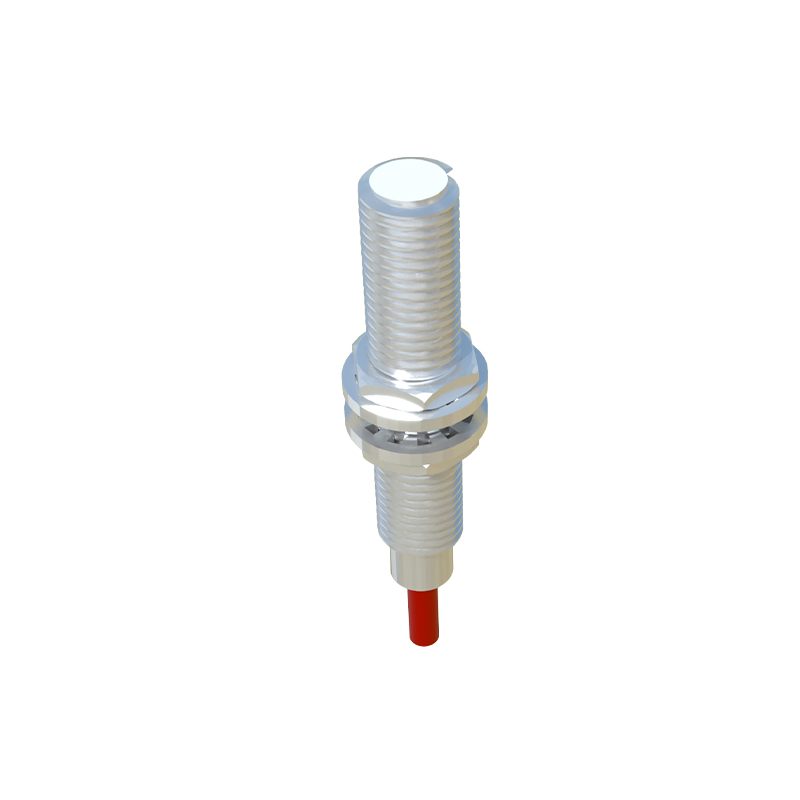
Calibration and testing are critical to ensure each sensor meets performance benchmarks. In a controlled environment, sensors undergo functional tests to verify detection distance, hysteresis, and response frequency. For example, inductive sensors are tested with standard target materials (e.g., steel) at varying distances to confirm switching accuracy. Environmental stress tests follow, exposing sensors to extreme temperatures, humidity, and mechanical vibrations to simulate real-world conditions. Data from these tests are logged and analyzed, with any deviations triggering adjustments in the production line.
Finally, sensors are labeled, packaged, and prepared for shipment. Packaging materials are selected to prevent damage during transit, and each unit may include documentation like datasheets or compliance certificates (e.g., CE, UL marks). Throughout the process, quality management systems like ISO 9001 guide operations, emphasizing traceability and continuous improvement.
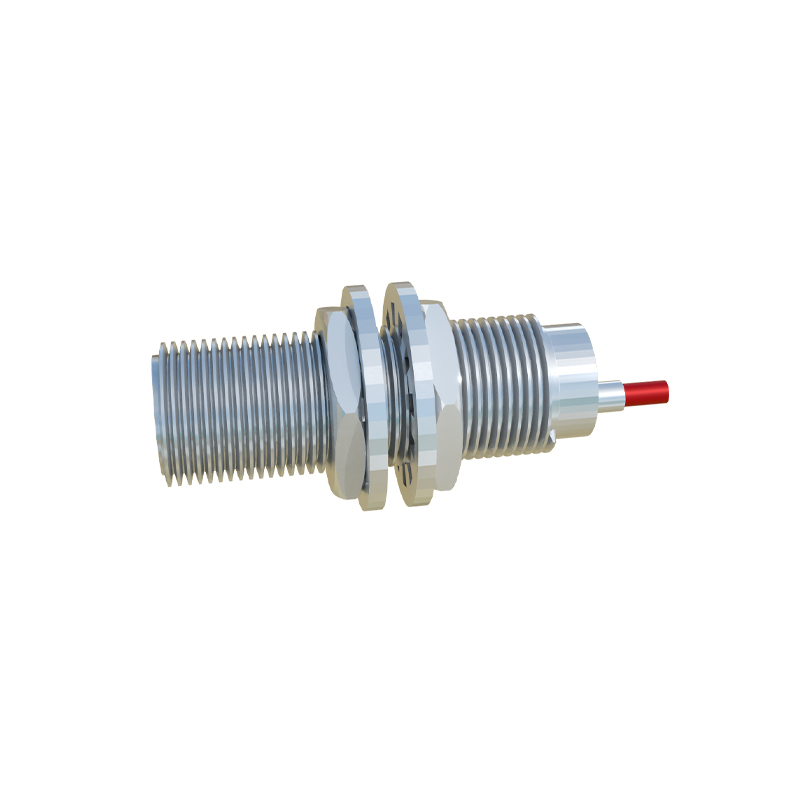
The evolution of proximity sensor manufacturing reflects broader trends in Industry 4.0, with smart factories leveraging IoT and AI for predictive maintenance and real-time monitoring. As demand grows for miniaturized and energy-efficient sensors, innovations in microfabrication and wireless integration are shaping future production methods. By understanding this intricate workflow, engineers and industry professionals can better appreciate the technology behind these ubiquitous devices and their role in advancing automation.