E-DT proximity sensors represent a significant advancement in industrial automation, offering enhanced detection capabilities for various metallic and non-metallic objects. These sensors operate on the principle of electromagnetic induction, where an oscillating circuit generates a high-frequency electromagnetic field. When a target object enters this field, it induces eddy currents, causing a change in the sensor's oscillation amplitude. This change is detected and converted into a digital output signal, enabling precise object detection without physical contact.
The "E-DT" designation typically refers to embedded or extended sensing distance tubular models, designed for robust performance in harsh environments. Key features include high switching frequencies, allowing for rapid detection in high-speed production lines, and immunity to environmental factors such as dust, oil, and moisture. Many E-DT sensors incorporate advanced diagnostics, such as short-circuit and overload protection, ensuring reliable operation and reduced downtime. Their compact tubular housing, often made of stainless steel or nickel-plated brass, facilitates easy installation in confined spaces.
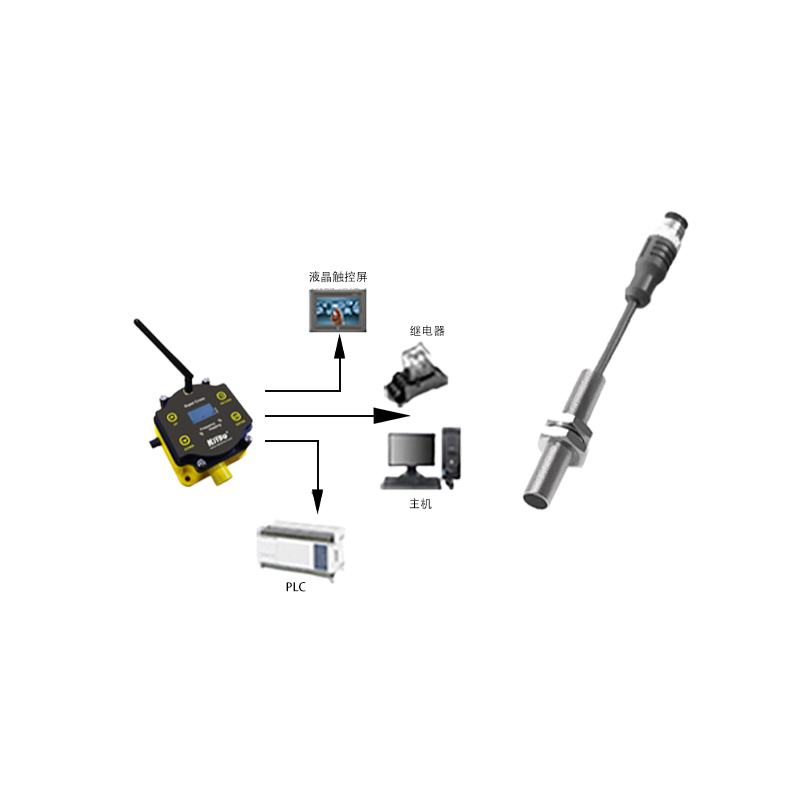
Applications of E-DT proximity sensors span across multiple industries. In automotive manufacturing, they are used for part presence verification on assembly lines. In packaging machinery, they detect foil or metalized labels on containers. The food and beverage industry utilizes them for liquid level sensing in stainless steel tanks, thanks to their corrosion-resistant designs. Additionally, their ability to detect non-ferrous metals like aluminum or copper makes them ideal for material handling systems in logistics centers.
When selecting an E-DT sensor, engineers must consider several parameters. Sensing distance, rated for specific target materials, is critical; standard models offer ranges from 2 to 40 mm. Output configurations include NPN or PNP transistor switches, with 2-wire, 3-wire, or 4-wire connections compatible with PLC systems. Operating voltage ranges typically span 10-30 V DC, with LED indicators for status monitoring. Environmental ratings, such as IP67 or IP69K, ensure functionality under extreme temperatures, vibrations, and washdown conditions.
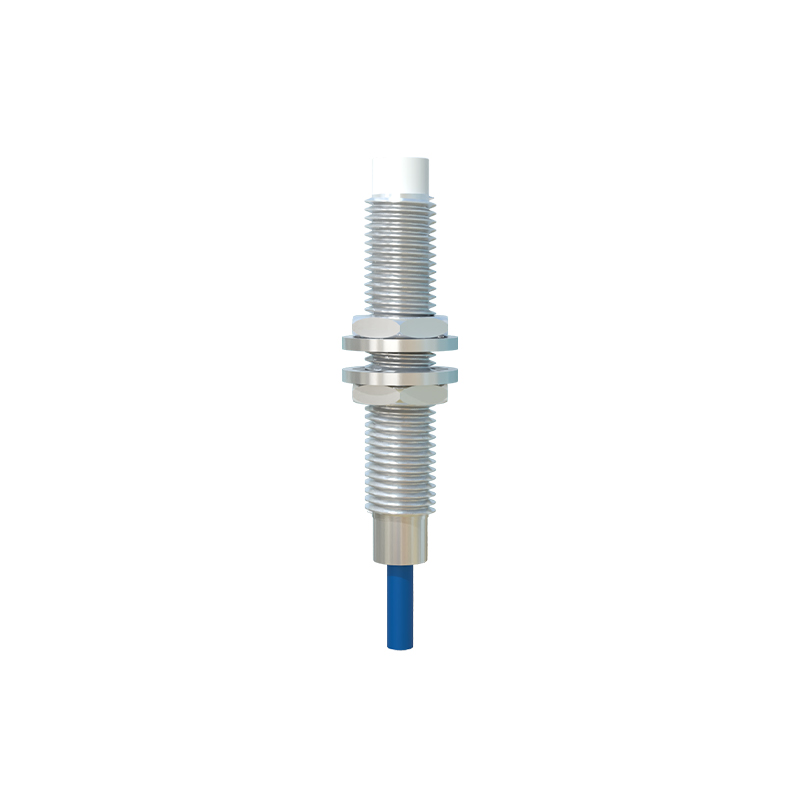
Installation best practices involve aligning the sensor perpendicular to the target surface to maximize detection reliability. Avoid mounting near strong electromagnetic sources, like motors or transformers, to prevent interference. Regular maintenance, though minimal, includes checking for physical damage and cleaning the sensing face to prevent false triggers from debris accumulation.
Future trends in E-DT technology focus on miniaturization and smart features. Integrated IO-Link communication enables real-time parameter adjustments and predictive maintenance data collection. Enhanced sensing algorithms allow for improved discrimination between different material types, reducing setup time in flexible production environments. As Industry 4.0 evolves, these sensors will play a pivotal role in interconnected smart factories, providing critical data for optimizing operational efficiency.
In conclusion, E-DT proximity sensors are indispensable components in modern industrial systems, offering non-contact detection with high precision and durability. Their versatility and reliability make them a preferred choice for engineers seeking to enhance automation processes while minimizing maintenance costs. By understanding their operating principles and application requirements, professionals can leverage these sensors to improve productivity and safety across diverse industrial settings.