In the rapidly evolving landscape of industrial automation and smart systems, Hall Effect proximity sensors have cemented their role as critical components. These non-contact sensors, which detect the presence of magnetic objects by measuring changes in a magnetic field, are prized for their reliability, longevity, and ability to function in harsh environments. From automotive applications and robotics to consumer electronics and safety interlocks, their utility is vast. Consequently, the market is served by numerous manufacturers, each vying for technological leadership and market share. This article provides a professional ranking and analysis of the leading companies in the Hall Effect proximity sensor domain, based on factors such as technological innovation, product portfolio breadth, global reach, industry reputation, and after-sales support.
Leading the forefront is Texas Instruments (TI). A semiconductor giant, TI's strength lies in its highly integrated, application-specific Hall Effect sensor ICs. Their portfolio includes everything from basic switches and latches to sophisticated linear and 3D sensors with advanced signal conditioning. TI's sensors are renowned for their precision, low power consumption, and robust design support, making them a top choice for design engineers in automotive and industrial sectors. Their extensive documentation and evaluation modules significantly lower the barrier to integration.
A close contender and often the specialist's choice is Allegro MicroSystems. This company is almost synonymous with high-performance magnetic sensors. Allegro focuses intensely on Hall Effect technology, offering an exceptionally wide array of sensors tailored for demanding applications. Their products excel in areas requiring high sensitivity, temperature stability, and advanced diagnostic features, particularly in automotive systems like transmission sensing, pedal position, and current monitoring. Their deep application expertise gives them a formidable edge.
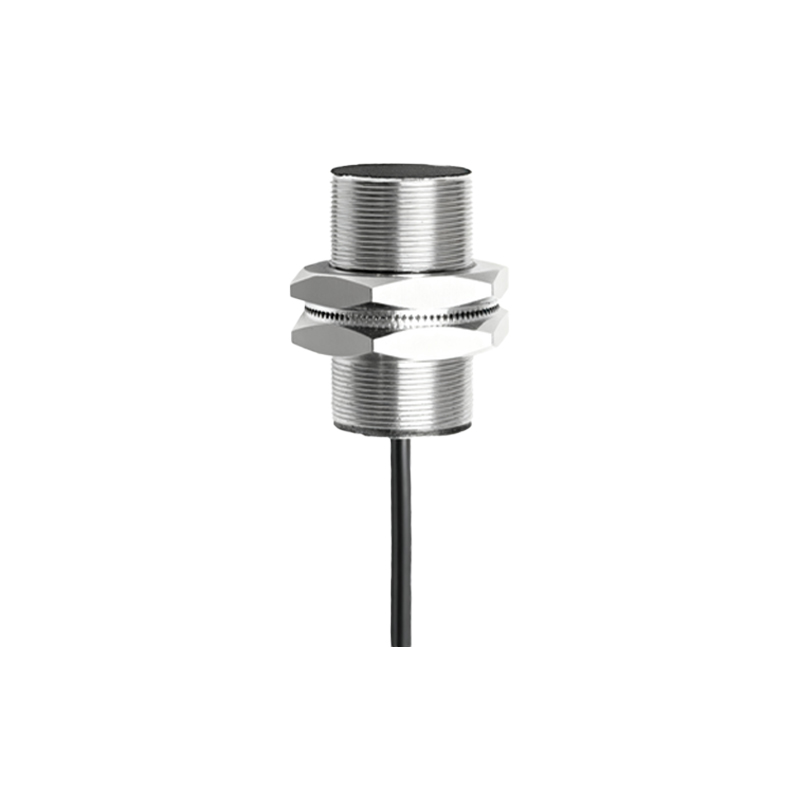
For rugged, industrial-grade sensor assemblies and solutions, Pepperl+Fuchs and ifm electronic are industry stalwarts. These German-engineered companies don't just sell sensor chips; they provide complete, hardened sensor devices in various housings (e.g., cylindrical, rectangular) with integrated electronics, connectivity options, and protection ratings like IP67/IP69K. Their products are designed for the factory floor—resistant to shock, vibration, chemicals, and extreme temperatures. While they may incorporate sensor ICs from semiconductor makers, their value is in creating reliable, plug-and-play solutions for machine builders and plant operators worldwide.
In the realm of diversified electronics and components, Omron and Panasonic hold significant positions. Both Japanese conglomerates offer comprehensive lines of proximity sensors, including robust Hall Effect models. Omron's E2E series and Panasonic's offerings are known for their consistent quality, compact sizes, and reliability in high-volume manufacturing settings, especially in Asia. They provide strong local support and are deeply embedded in the supply chains of consumer electronics and general automation.
Emerging and specialized players also deserve mention. Companies like Littelfuse (which acquired Hamlin and Triad Magnetics) have built strong portfolios in sensing and magnetic solutions. Honeywell, though sometimes more associated with other sensor types, offers highly reliable Hall Effect sensors for aerospace and severe industrial applications. Meanwhile, TDK (through its Micronas acquisition) and Melexis are strong innovators, particularly in automotive-grade, integrated magnetic sensor solutions that push the boundaries of accuracy and functionality.
Ranking these entities definitively is challenging as the "best" choice depends entirely on the application. However, a consolidated view emerges:
1. For ICs & Design-In (Semiconductor Focus): Texas Instruments and Allegro MicroSystems are leaders.
2. For Industrial Device Solutions: Pepperl+Fuchs and ifm electronic are preeminent.
3. For High-Volume Manufacturing & Broad Electronics: Omron and Panasonic are key suppliers.
4. For Specialized & Automotive Innovation: Allegro, Melexis, and TDK are at the forefront.
The future of this sector is being shaped by trends towards miniaturization, higher intelligence (sensors with built-in diagnostics and IO-Link communication), and enhanced robustness. Companies that invest in integrating these features while maintaining cost-effectiveness will continue to lead. When selecting a supplier, engineers must weigh parameters like magnetic sensitivity, output type (digital/analical), supply voltage, packaging, and environmental specifications against their specific project needs. The companies listed here represent the pinnacle of the industry, driving innovation and providing the essential components that enable precise, contactless detection across the modern technological world.