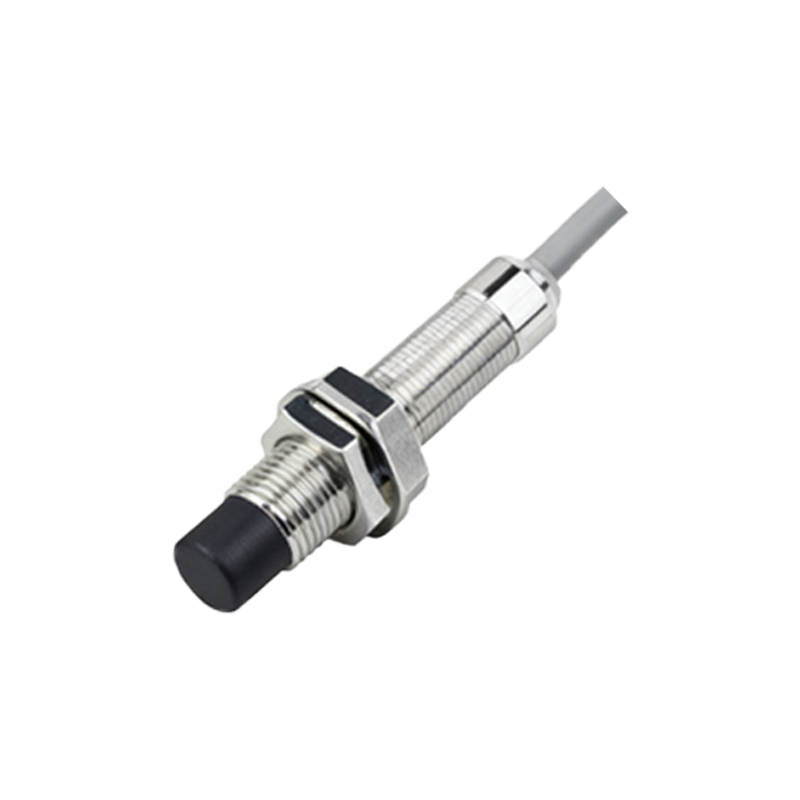
In the rapidly evolving landscape of industrial automation, photoelectric proximity sensors have emerged as critical components for enhancing efficiency, safety, and precision. These sensors, manufactured by specialized companies worldwide, utilize light beams to detect the presence, absence, or distance of objects without physical contact. The technology behind these devices is rooted in the principles of optics and electronics, where a light emitter—typically an LED or laser diode—projects a beam toward a target. A receiver then analyzes the reflected or interrupted light to determine object characteristics. This non-contact operation minimizes wear and tear, making photoelectric sensors ideal for demanding environments such as manufacturing lines, packaging systems, and robotic applications.
Leading photoelectric proximity sensor manufacturers invest heavily in research and development to address diverse industry needs. Innovations include miniaturization for compact spaces, enhanced sensing ranges exceeding 20 meters, and improved resistance to environmental factors like dust, moisture, and extreme temperatures. For instance, advanced models incorporate background suppression technology to ignore irrelevant objects, while others feature adjustable sensitivity for fine-tuning detection. Companies often differentiate themselves by offering sensors with specific output types—such as analog, digital, or IO-Link—to seamlessly integrate with modern control systems. The global market is driven by sectors like automotive, food and beverage, pharmaceuticals, and logistics, where sensors ensure quality control, prevent collisions, and optimize throughput.
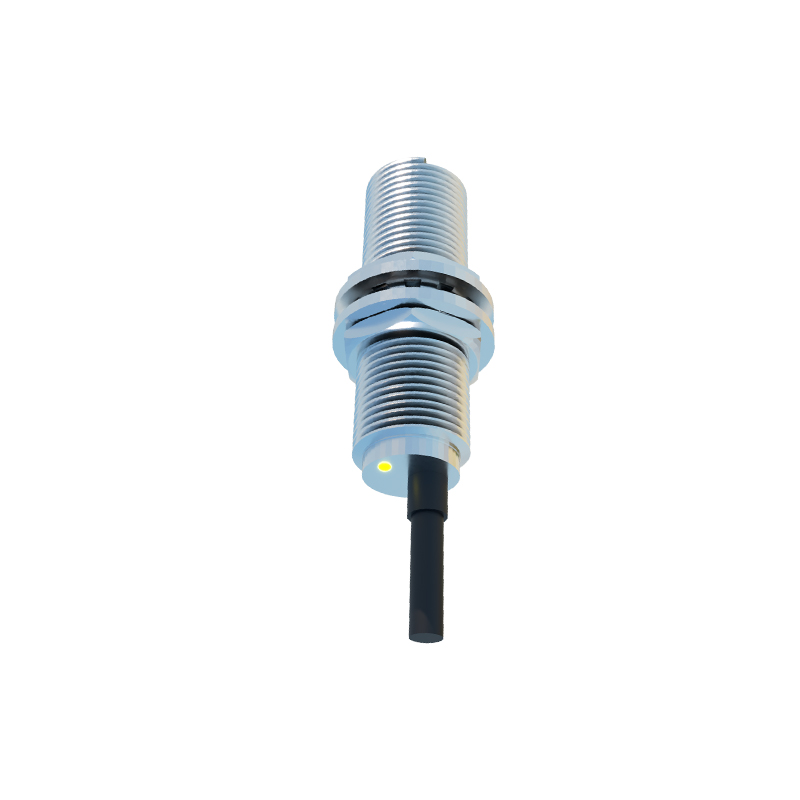
When selecting a photoelectric proximity sensor manufacturer, engineers consider factors like reliability, customization options, and compliance with international standards (e.g., IEC, UL). Top-tier providers emphasize robust construction, long-term durability, and comprehensive technical support. For example, sensors designed for hazardous areas may include explosion-proof certifications, while those for cleanrooms prioritize non-contaminating materials. The shift toward Industry 4.0 has further propelled demand for smart sensors with connectivity features, enabling predictive maintenance and data analytics. As automation expands, manufacturers continue to refine designs, focusing on energy efficiency and interoperability with IoT platforms.
In practice, photoelectric sensors are deployed in varied configurations: through-beam sensors for long-range detection, retro-reflective models for moderate distances, and diffuse reflective types for close proximity. Each variant suits specific scenarios, from conveyor belt monitoring to liquid level sensing. The future of this industry points toward integration with AI and machine learning, allowing sensors to adapt dynamically to changing conditions. Ultimately, photoelectric proximity sensor manufacturers play a pivotal role in advancing industrial automation, offering solutions that boost productivity while reducing operational costs. Their ongoing innovation ensures that businesses can meet the challenges of modern manufacturing with confidence and precision.