In the realm of industrial automation, automotive systems, and consumer electronics, proximity sensors are the silent sentinels. They detect the presence or absence of objects without physical contact, enabling countless automated processes. However, their performance and longevity are constantly challenged by environmental adversaries: moisture, dust, chemicals, vibration, and thermal stress. This is where the critical process of proximity sensor potting comes into play, transforming a sensitive electronic component into a robust, reliable workhorse.
Potting, or encapsulation, involves completely enveloping the sensor's internal electronics—including the sensing element, IC, and connections—within a protective compound. This is not merely a coating; it is a full immersion that fills all cavities, creating a monolithic, solid barrier. The primary objective is to shield the delicate circuitry from external threats that could lead to premature failure, inaccurate readings, or total malfunction.
The selection of the potting compound is a science in itself, dictated by the sensor's application. Common materials include:
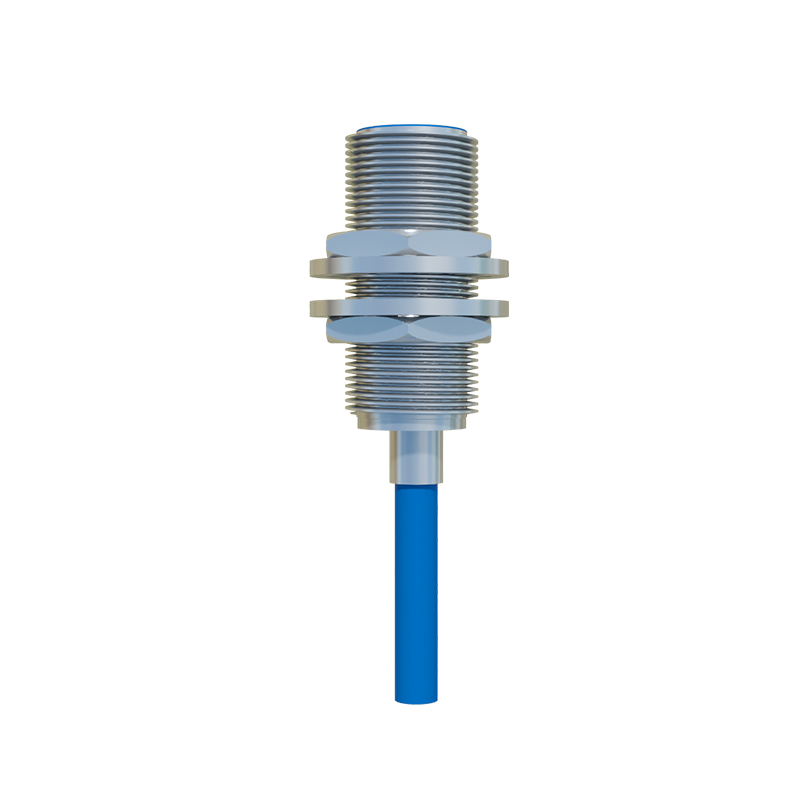
Epoxy Resins: Known for excellent adhesion, high mechanical strength, and superior chemical resistance. They form a hard, rigid shell ideal for applications requiring robust protection against physical impact and harsh chemicals.
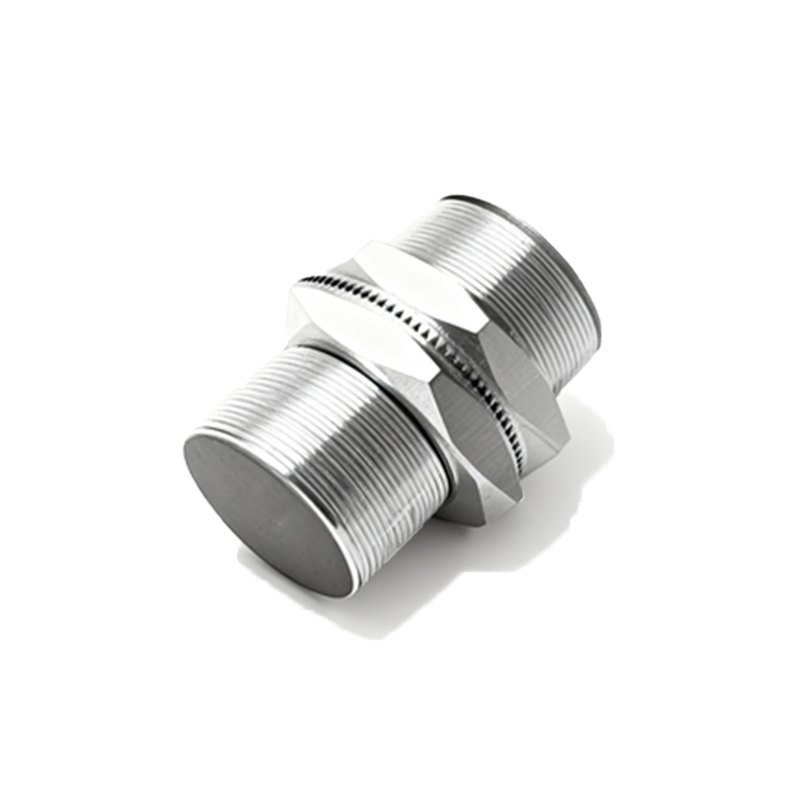
Silicone Elastomers: Offer exceptional flexibility, a wide operating temperature range, and outstanding moisture resistance. Their elastic nature makes them perfect for sensors subjected to constant thermal cycling or vibration, as they absorb stress without cracking.
Polyurethane Resins: Provide a balance between hardness and flexibility, with good moisture resistance and damping properties. They are often used where moderate protection and cost-effectiveness are key.
The potting process demands precision. It begins with meticulous preparation: cleaning the sensor housing to ensure perfect adhesion and often pre-treating components. The mixed potting compound is then carefully dispensed, typically under vacuum to eliminate air bubbles that could become weak points or interfere with sensing accuracy. Curing follows, where the material solidifies through chemical reaction or UV light, forming its final protective structure.
The benefits of properly potted proximity sensors are substantial:
Enhanced Environmental Sealing: Provides an IP67, IP68, or even higher ingress protection rating, making sensors impervious to water, dust, and corrosive fluids.
Superior Mechanical Integrity: Potting compound acts as a shock absorber, dampening vibrations and protecting solder joints and components from physical shock and stress during installation or operation.
Improved Thermal Management: Some compounds aid in dissipating heat away from sensitive components, contributing to thermal stability and longer lifespan.
Electrical Insulation: Prevents short circuits caused by condensation or conductive contaminants, ensuring stable electrical performance.
Long-Term Reliability: By mitigating multiple failure modes, potting significantly extends the sensor's operational life, reducing downtime and maintenance costs in industrial settings.
However, challenges exist. The potting material must be carefully evaluated to ensure it does not interfere with the sensor's electromagnetic field or sensing mechanism, especially for inductive or capacitive types. Incorrect material selection or a flawed process can attenuate the signal or shift its sensing range. Furthermore, once potted, repair becomes virtually impossible, underscoring the need for flawless initial manufacturing and testing.
Applications abound. In automotive engineering, potted sensors thrive in under-hood environments, exposed to oil, temperature extremes, and vibration. In food and beverage processing, they withstand frequent washdowns with caustic cleaners. In outdoor automation and agricultural equipment, they resist humidity, dirt, and weather. Any industry where reliability cannot be compromised leverages potting to ensure sensor fidelity.
In conclusion, proximity sensor potting is far more than an afterthought; it is a fundamental design consideration for durability. It bridges the gap between sophisticated electronic functionality and the unforgiving realities of industrial and commercial use. By choosing the appropriate compound and mastering the encapsulation process, manufacturers unlock the full potential of proximity sensors, ensuring they deliver accurate, consistent performance where it matters most—day in and day out, in the toughest conditions imaginable.