In the dynamic landscape of industrial automation, proximity sensors stand as fundamental components for non-contact object detection. Their classification is not arbitrary but follows rigorous, internationally recognized standards that ensure interoperability, safety, and optimal application selection. Understanding these classification criteria is paramount for engineers and system designers.
The primary and most universal standard for classifying proximity sensors is based on their underlying sensing technology. This technological divide dictates their operational principles, suitable environments, and detection capabilities.
1. Inductive Proximity Sensors: These sensors generate an electromagnetic field. They detect the presence of ferrous and non-ferrous metallic objects (like steel, aluminum, copper) by observing changes in the oscillation amplitude or frequency when a target enters the field. Key sub-classifications include:
Shielded (Flush-mountable): Can be embedded in metal without affecting performance, offering a narrower sensing field.
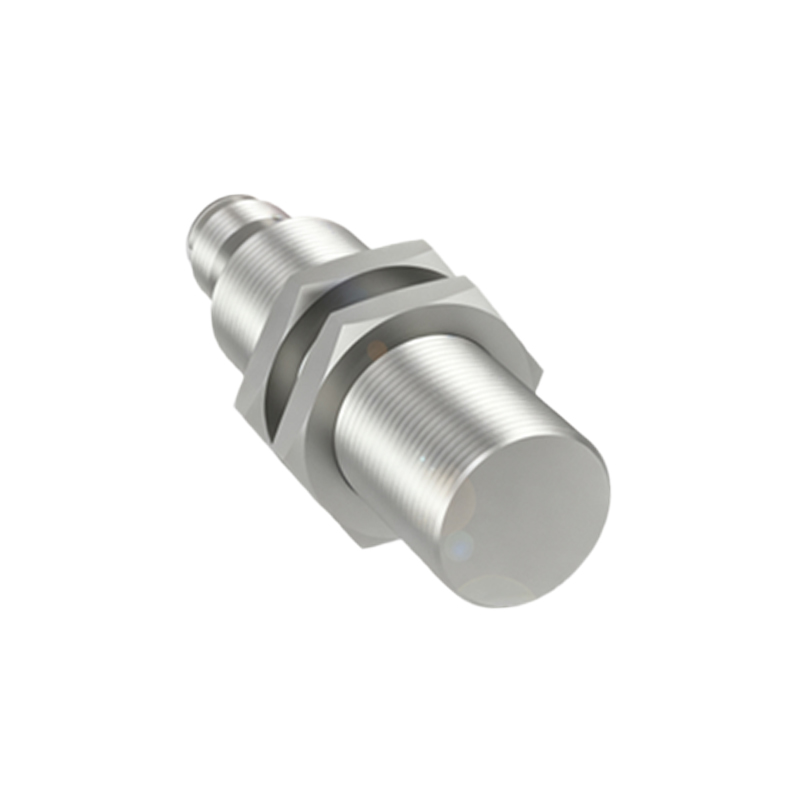
Unshielded (Non-flush): Provide a longer sensing range but cannot be mounted flush with surrounding metal.
2. Capacitive Proximity Sensors: These sensors function by generating an electrostatic field. They can detect virtually any material—metals, plastics, liquids, powders, or wood—by measuring changes in capacitance caused by the target's dielectric constant. They are ideal for level detection, presence sensing of non-metals, and applications requiring sensitivity adjustment.
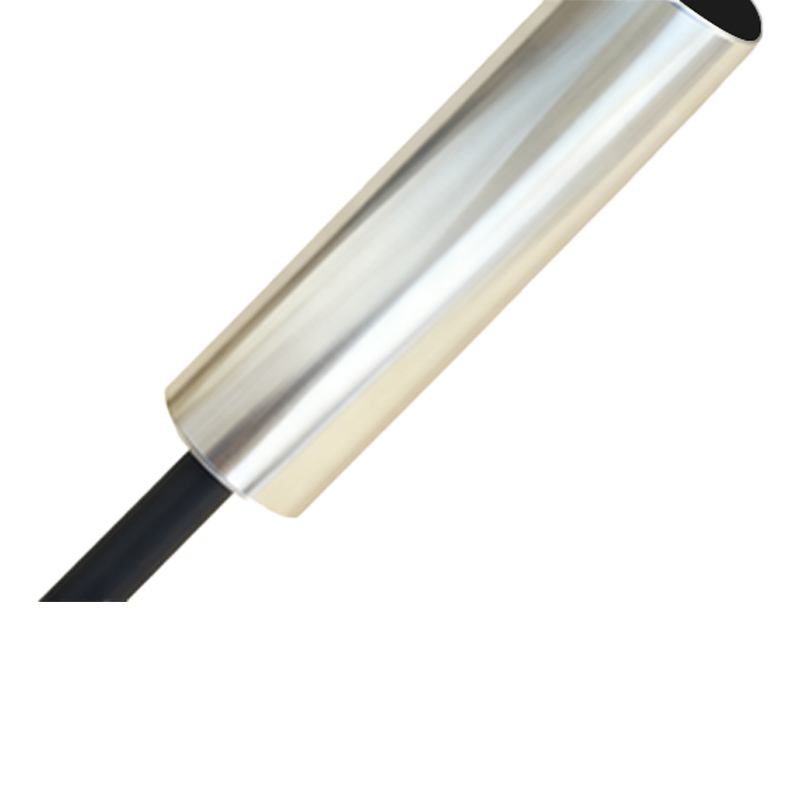
3. Ultrasonic Proximity Sensors: Operating on the principle of echolocation, these sensors emit high-frequency sound waves and measure the time taken for the echo to return. They are excellent for long-range detection (up to several meters), capable of sensing objects regardless of material, color, or transparency. They are commonly used in distance measurement, transparent object detection, and harsh environments where other technologies may fail.
4. Photoelectric Sensors: While often considered a distinct category, they are frequently grouped under proximity sensing for diffuse (reflective) mode operation. They use a light emitter (LED or laser) and a receiver. Classification here is nuanced:
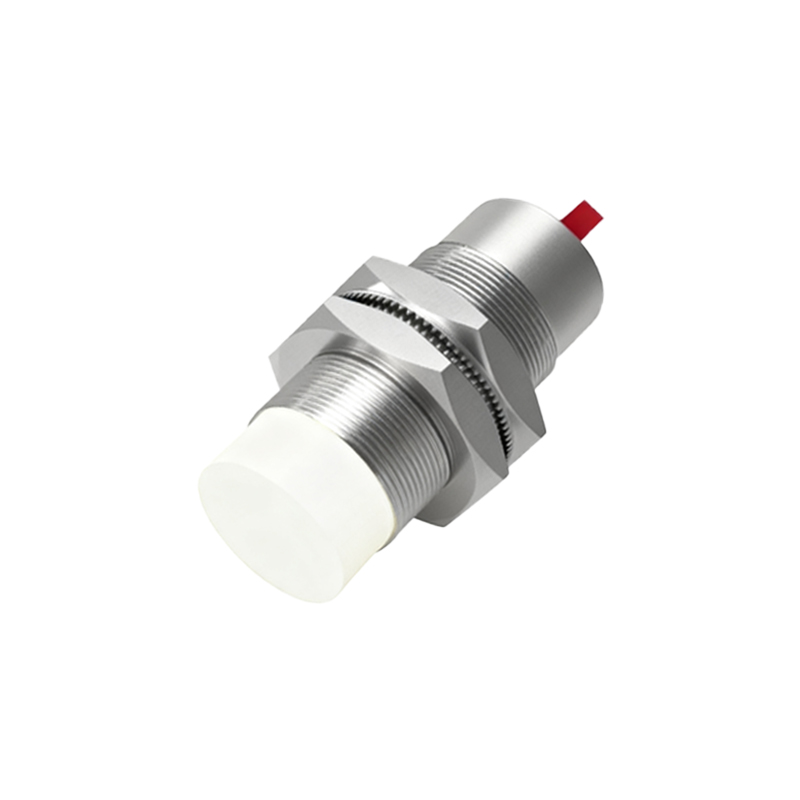
Diffuse (Proximity Mode): The sensor detects light reflected directly from the target.
Through-beam & Retro-reflective: Used for longer ranges or precise beam-breaking detection.
Beyond core technology, several other critical standardization axes exist:
Output Configuration Classification: This defines the electrical interface of the sensor's signal.
Digital (Discrete) Outputs: Typically NPN (sinking) or PNP (sourcing) transistor outputs, aligned with regional electrical standards (e.g., PNP prevalent in Europe, NPN in some Asian and American applications). Solid-state (SSR) and Relay outputs are also specified for specific load types.
Analog Outputs: Provide a continuous signal (e.g., 4-20 mA, 0-10V) proportional to the distance to the target, used for precise positioning or scaling.
Form Factor and Housing Standardization: Sensors are classified by housing shape and size, often standardized per international norms (e.g., cylindrical M8, M12, M18, M30 threaded barrels, or block-style housings). Ingress Protection (IP) ratings (e.g., IP67, IP69K) classify environmental resilience against dust and water, crucial for washdown or outdoor applications.
Performance Standard Classification: Key operational parameters are standardized for comparison:
Sensing Distance (Sn): The nominal operating distance under defined conditions.
Repeatability: The consistency of detection at the same point.
Response Frequency: How quickly the sensor can detect objects passing by, measured in Hertz (Hz).
Hysteresis: The difference between the switch-on and switch-off points, preventing output chatter.
Functional Safety Classification: For applications where failure could lead to hazardous situations, sensors are classified according to standards like IEC 61508 and ISO 13849. Ratings such as Safety Integrity Level (SIL) or Performance Level (PL) define the probability of a dangerous failure per hour.
Industry-Specific Standards: Certain sectors impose additional classifications. For example, in food and beverage or pharmaceutical industries, sensors may need certifications for materials (FDA, EC1935/2004) and hygienic design (EHEDG, 3-A). In explosive atmospheres, ATEX or IECEx certifications for intrinsic safety or explosion-proof enclosures are mandatory classifications.
In conclusion, the classification of proximity sensors is a multidimensional framework rooted in technology, electrical characteristics, physical design, performance metrics, and safety compliance. A proficient selection process involves cross-referencing these standardized classifications against the application's specific requirements—target material, required range, environmental conditions, electrical interface, and necessary safety certifications. Mastery of these standards is not merely academic; it is the bedrock of designing robust, reliable, and efficient automated systems. Always consult the latest