In the realm of industrial safety, particularly within sectors such as mining, oil and gas, and chemical processing, the detection of combustible gases like methane is paramount. The Tsinghua Laser Methane Sensor, emerging from the prestigious research environment of Tsinghua University, represents a significant technological leap in this critical field. This article delves into the operational principles, key advancements, and practical applications of this sophisticated sensing device.
Traditional methane detection methods, such as catalytic combustion sensors or non-dispersive infrared (NDIR) sensors, have served industries for decades. However, they often grapple with limitations including cross-sensitivity to other gases, calibration drift, and relatively slow response times. The Tsinghua Laser Methane Sensor addresses these challenges head-on by employing Tunable Diode Laser Absorption Spectroscopy (TDLAS) at its core. This technique involves directing a precisely tuned laser beam through the target gas sample. Methane molecules absorb specific wavelengths of this infrared light. By measuring the degree of absorption at the characteristic wavelength for methane, the sensor can calculate the gas concentration with exceptional accuracy and selectivity. This fundamental principle makes it inherently resistant to interference from other gases commonly found in industrial environments.
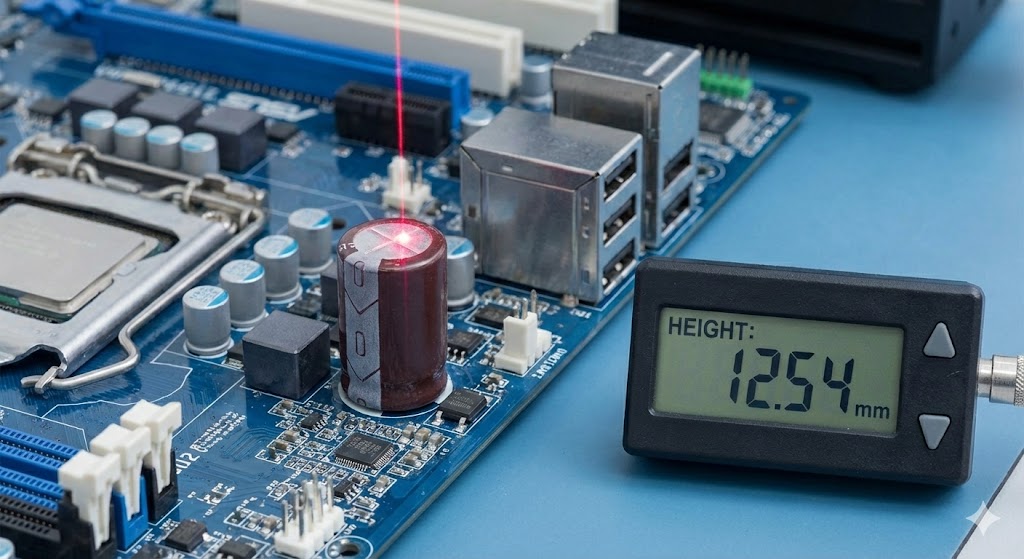
The technological advancements embedded in the Tsinghua sensor are noteworthy. Firstly, its selectivity is unparalleled. The laser is tuned to a spectral line unique to methane, virtually eliminating false alarms triggered by non-target gases like carbon dioxide or water vapor. This specificity is crucial for reliable monitoring. Secondly, it offers remarkable precision and a wide dynamic range, capable of detecting methane concentrations from trace levels of parts-per-million (ppm) up to percentage levels (%LEL), ensuring safety across various potential leak scenarios. Thirdly, the sensor exhibits exceptional stability and longevity. Unlike catalytic beads that degrade over time, the optical measurement principle involves no consumable components that chemically react with the gas, leading to minimal drift and reduced maintenance requirements. Furthermore, modern iterations of the sensor incorporate robust designs for harsh conditions, featuring dust-proof and explosion-proof housings suitable for Zone 1 hazardous areas.
The application spectrum of the Tsinghua Laser Methane Sensor is extensive. In coal mining, it provides continuous, real-time monitoring of methane levels in underground shafts and at the coal face, a critical measure for preventing catastrophic explosions. Its fast response time allows for quicker safety interventions. In the natural gas sector, the sensor is deployed for pipeline leak detection, both for above-ground installations and within compressor stations. Its ability to perform remote or stand-off detection—where the laser can be aimed over a distance to check for leaks at flanges, valves, or along pipeline routes—greatly enhances inspection efficiency and worker safety. Chemical plants utilize these sensors to monitor process areas and storage facilities for fugitive methane emissions, aiding in both safety protocols and environmental compliance. Additionally, they are increasingly used in biogas production facilities and landfill gas monitoring systems.
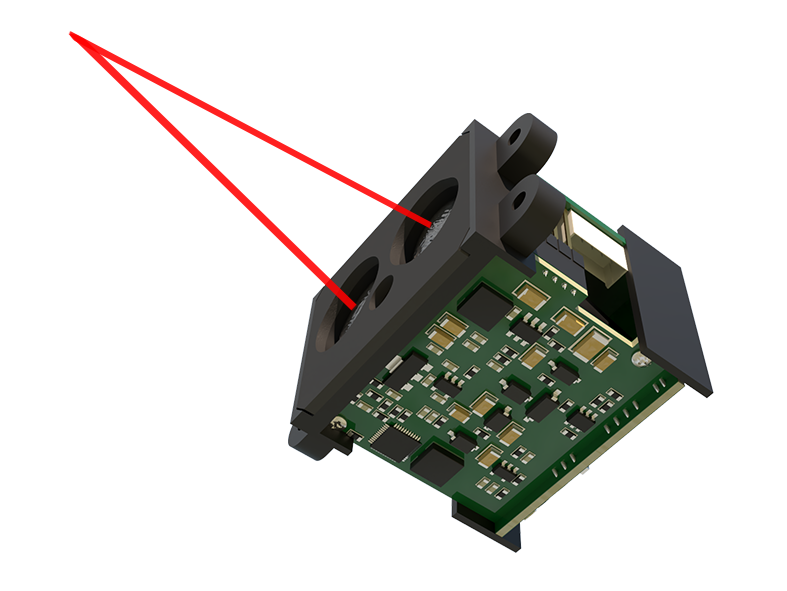
Integration into broader Industrial Internet of Things (IIoT) frameworks is another strength. These sensors can be networked, transmitting real-time data to centralized control rooms or cloud-based platforms. This enables predictive maintenance, trend analysis, and immediate alarm generation, forming a intelligent layer within a plant's overall safety instrumented system. The digital output and communication capabilities (e.g., 4-20mA, RS485, Modbus, wireless protocols) facilitate seamless connectivity.
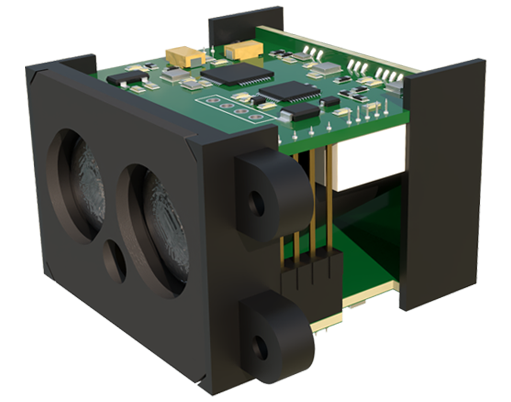
In conclusion, the Tsinghua Laser Methane Sensor stands as a testament to the application of advanced photonics to solve persistent industrial safety challenges. By leveraging TDLAS technology, it delivers superior accuracy, selectivity, and reliability compared to conventional detectors. Its adoption across mining, oil and gas, and chemical industries is enhancing safety standards, enabling proactive leak management, and contributing to more efficient and compliant industrial operations. As sensor technology continues to evolve, devices like this will remain at the forefront of protecting assets, environments, and, most importantly, human lives.