In the intricate world of electrical engineering and industrial automation, precision and reliability are non-negotiable. Among the myriad of components that ensure these qualities, the proximity angular sensor stands out as a critical, yet often understated, element. This article delves into the fundamental role, operational principles, and diverse applications of these sensors, highlighting their indispensable contribution to system performance and safety.
At its core, a proximity angular sensor is a device designed to detect the angular position or rotational speed of a nearby object without making physical contact. It operates on the principle of sensing changes in an electromagnetic field, capacitance, or other physical phenomena caused by the presence and movement of a target. Unlike simple on/off proximity switches, angular sensors provide continuous, analog, or high-resolution digital data about the rotational angle, enabling precise monitoring and control.
The primary function of a proximity angular sensor is to convert mechanical rotation into an accurate electrical signal. This is achieved through various technologies. Inductive sensors, for instance, detect metallic targets by measuring changes in oscillation amplitude within a coil. Hall-effect sensors generate a voltage proportional to a magnetic field's strength, which varies with the angular position of a magnet attached to the rotating shaft. More advanced versions include magnetoresistive sensors and rotary encoders with non-contact sensing elements, offering exceptional resolution and durability.
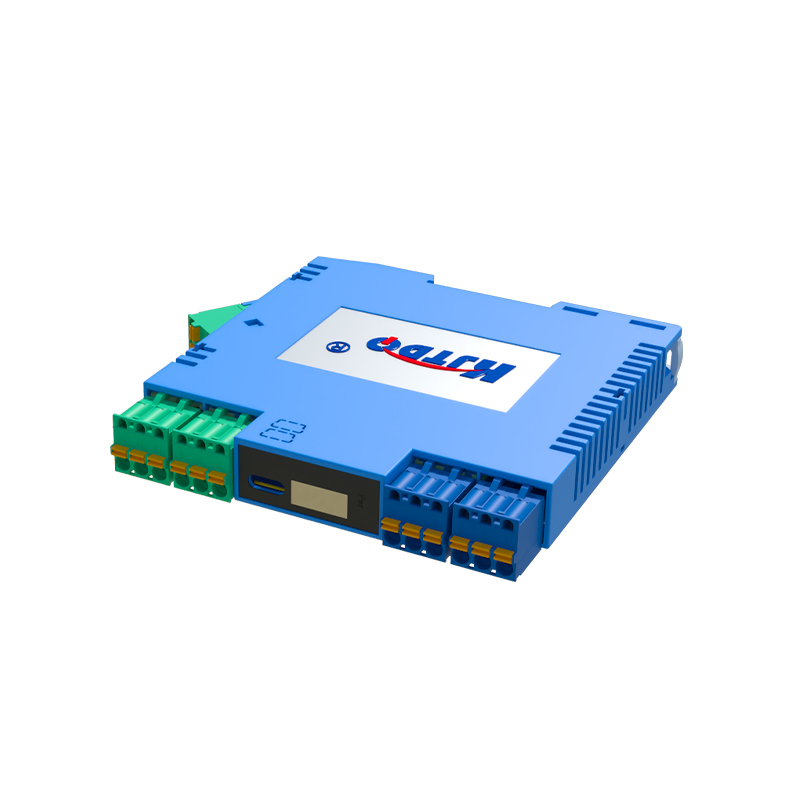
The applications of proximity angular sensors are vast and span numerous industries. In industrial robotics, they are pivotal for precise joint positioning, ensuring the accurate and repeatable movement of robotic arms. Within the automotive sector, they monitor throttle valve position, steering wheel angle, and pedal position, feeding critical data to engine control units (ECUs) and advanced driver-assistance systems (ADAS) for enhanced performance and safety. In aerospace, these sensors are used in flight control systems to monitor the position of control surfaces like ailerons and rudders. Furthermore, they are integral to variable-speed drives, CNC machinery, and renewable energy systems, such as tracking the pitch angle of wind turbine blades for optimal energy capture.
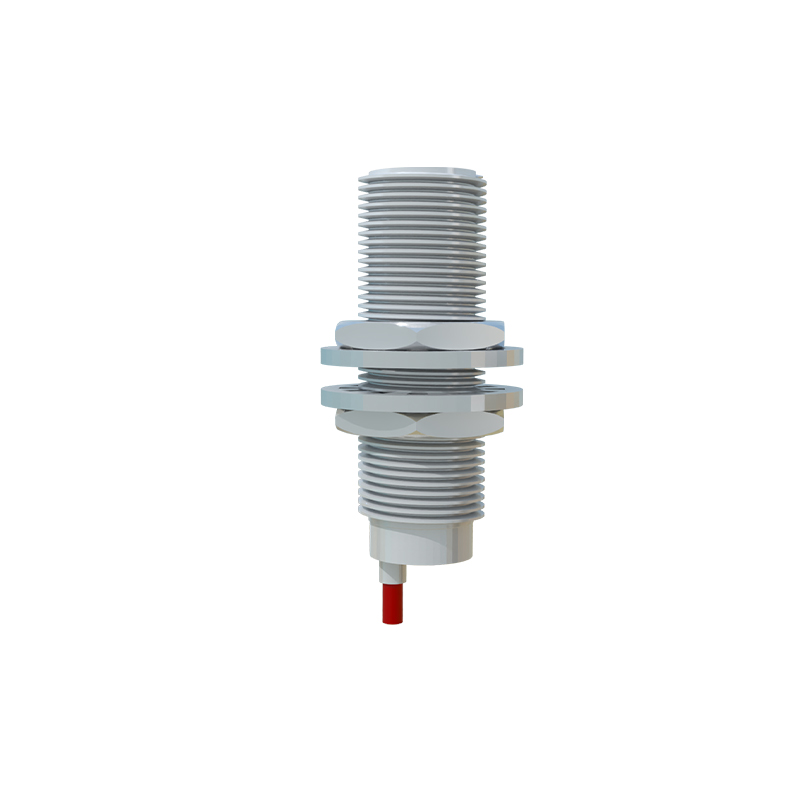
The advantages of using non-contact proximity angular sensors are significant. The absence of physical wear between the sensor and the target dramatically increases operational lifespan and reduces maintenance needs. They are inherently robust, capable of operating in harsh environments with high levels of vibration, dust, moisture, and extreme temperatures where mechanical contacts would fail. Their high-resolution output allows for finer control and more sophisticated feedback loops, which is essential for modern automation and Industry 4.0 initiatives. Additionally, their fast response time enables real-time monitoring and adjustment of dynamic systems.
When selecting a proximity angular sensor for a specific application, engineers must consider several key parameters. These include the required measurement range (e.g., 0-90°, 0-360°, or multi-turn), resolution and accuracy, output signal type (analog voltage/current, PWM, or digital protocols like SPI/I2C), environmental protection rating (IP class), temperature operating range, and immunity to electromagnetic interference (EMI). The choice of target material is also crucial, especially for inductive sensors, which are sensitive to ferrous and non-ferrous metals.
In conclusion, the proximity angular sensor is a fundamental enabler of precision motion control and monitoring in contemporary electrical and mechanical systems. By providing reliable, non-contact feedback on rotational position, it forms the backbone of countless automated processes, from manufacturing assembly lines to advanced vehicular systems. As technology progresses towards greater autonomy and intelligence, the demand for more accurate, durable, and integrated sensing solutions will only grow, solidifying the role of the proximity angular sensor as a cornerstone of modern industrial and electrical engineering. Understanding its function and proper implementation is essential for any professional aiming to design, maintain, or optimize high-performance systems.