In the intricate world of industrial automation, robotics, and precision manufacturing, the demand for reliable and accurate sensing is paramount. Standard proximity sensors often fall short when faced with ultra-tight tolerances, extreme environmental conditions, or unique material detection challenges. This is where the domain of custom high-precision proximity sensors becomes critical. Unlike off-the-shelf models, a custom-engineered sensor is not merely a product but a tailored solution, meticulously designed to integrate seamlessly into a specific system and perform a defined task with exceptional accuracy and repeatability.
The journey of customizing a high-precision proximity sensor begins with a deep dive into the application's fundamental requirements. Engineers must first define the critical parameters: the exact sensing distance, often required to be stable within micrometers; the nature of the target material (ferrous, non-ferrous, or specific alloys); the required output type (analog voltage/current, digital PNP/NPN, or IO-Link); and the environmental factors such as temperature extremes, pressure, humidity, and exposure to chemicals or washdowns. Furthermore, mechanical constraints like housing size, shape, mounting style, and cable/connector type are equally vital. A sensor designed for semiconductor wafer handling, where particulate contamination is a severe concern, will have a vastly different housing and sealing specification compared to one built for high-vibration metal stamping.
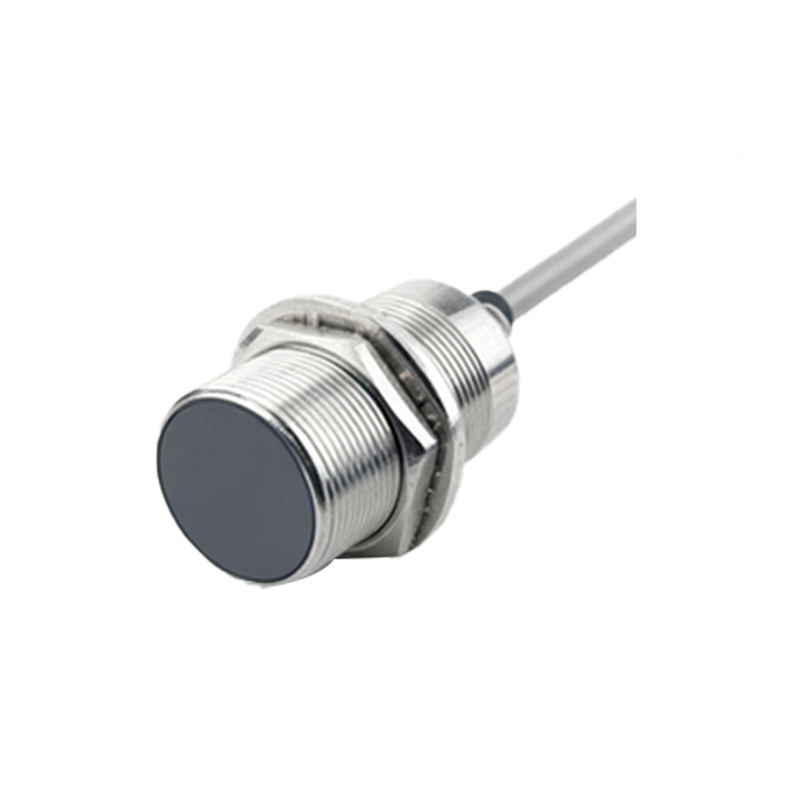
The core of precision lies in the sensing technology selection and its optimization. Inductive sensors are customized for unparalleled accuracy in detecting metals, where adjustments to coil geometry, oscillator frequency, and evaluation circuit algorithms can fine-tune sensitivity and switching hysteresis. For non-metallic targets or applications requiring longer ranges, capacitive sensors are tailored by modifying electrode design and shielding to ignore interfering media. Photoelectric sensors offer another avenue for customization, where specific wavelengths of light, lens configurations, and specialized optics can be engineered to detect minute color differences, transparent materials, or to operate reliably in environments with heavy ambient light interference.
The electronic circuitry within the sensor is the brain that translates physical detection into a usable signal. Customization here involves designing application-specific integrated circuits (ASICs) or programming microcontrollers to implement advanced functions. These can include temperature compensation algorithms to maintain accuracy across a wide thermal range, sophisticated filtering to reject electrical noise in harsh EMI/RFI environments, and linearization of analog output for true position measurement. The integration of smart sensor protocols like IO-Link is a common customization, enabling detailed parameter setting, real-time diagnostics, and process data monitoring directly from the sensor head.
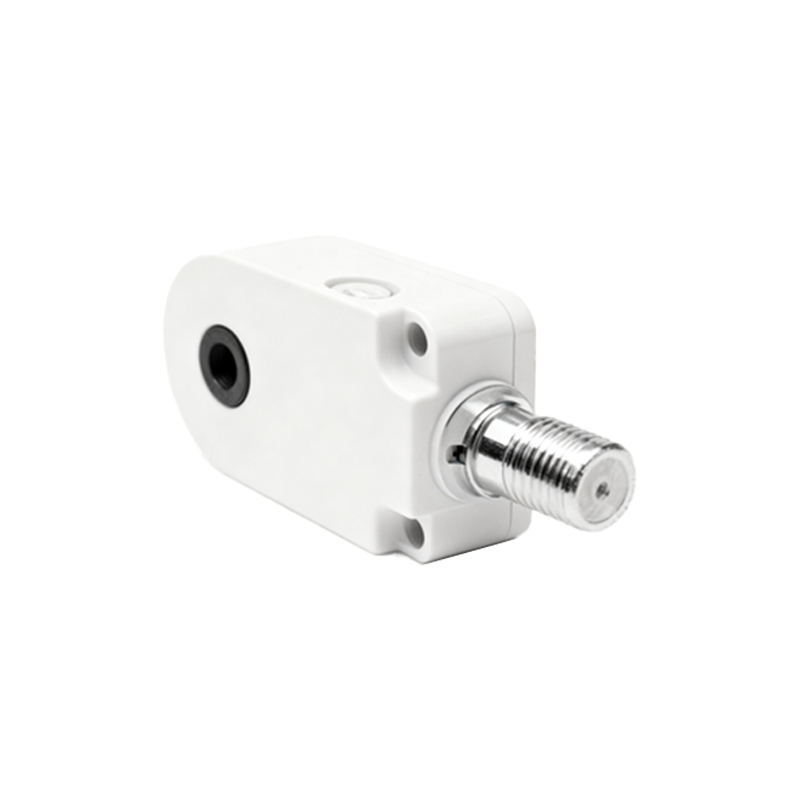
Material science plays a crucial role in building a robust sensor. The housing material is selected not just for protection but also for its influence on the sensing field. For instance, specific PBT or PVDF plastics might be chosen for chemical resistance, while stainless steel (often 316L) is standard for hygienic or corrosive settings. The face material, or "active surface," is particularly critical; specialized ceramics or engineered polymers can be used to withstand abrasive wear from repeated contact or to allow high-frequency operation in inductive sensors. Sealing is another area of intense customization, employing multi-layer lip seals, laser-welded housings, or potted electronics to achieve IP67, IP69K, or even submersible ratings.
The final phase involves rigorous validation and testing. A custom sensor prototype undergoes a battery of tests that simulate the exact operating conditions. This includes long-term stability tests to ensure minimal drift over millions of cycles, temperature cycling from sub-zero to elevated temperatures, shock and vibration testing per industry standards like IEC 60068-2-6, and EMI susceptibility testing. The output signal is analyzed for its consistency, response time, and noise characteristics. Only after passing these stringent, application-specific benchmarks is the design finalized for production.
Ultimately, investing in a custom high-precision proximity sensor is an investment in system reliability, efficiency, and quality. It eliminates the compromises inherent in adapting a standard sensor, leading to reduced downtime, fewer false triggers, higher production yields, and the enabling of entirely new automated processes. By collaborating closely with an experienced sensor engineering partner, manufacturers can transform a critical sensing challenge into a competitive advantage, ensuring that their machinery sees, measures, and reacts with the exact precision demanded by the modern industrial landscape.