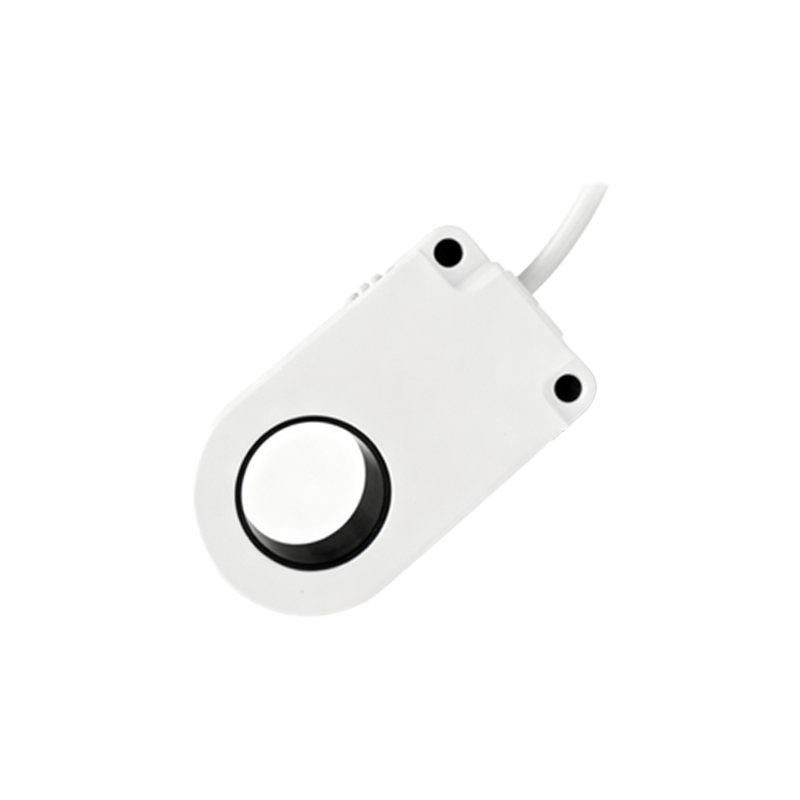
Laser proximity sensors have become indispensable tools across numerous industries, offering precise, non-contact detection and measurement. When considering the integration of this technology, understanding the factors that influence laser proximity sensor price is crucial for making an informed purchasing decision. The cost is rarely a single figure but a spectrum determined by a confluence of technical specifications, brand value, and application requirements.
At the core of the pricing structure lies the sensor's performance specifications. The measuring range is a primary driver; a sensor capable of detecting objects at 10 meters will command a significantly higher price than one designed for 10 centimeters. Similarly, accuracy and resolution are paramount. High-precision sensors used in semiconductor manufacturing or metrology, where micron-level accuracy is required, involve complex optics and calibration, thus elevating the cost substantially. The type of laser and its associated safety class also play a role. High-performance Class 2 or Class 3R lasers with visible red or precise blue laser diodes are more expensive than standard infrared types.
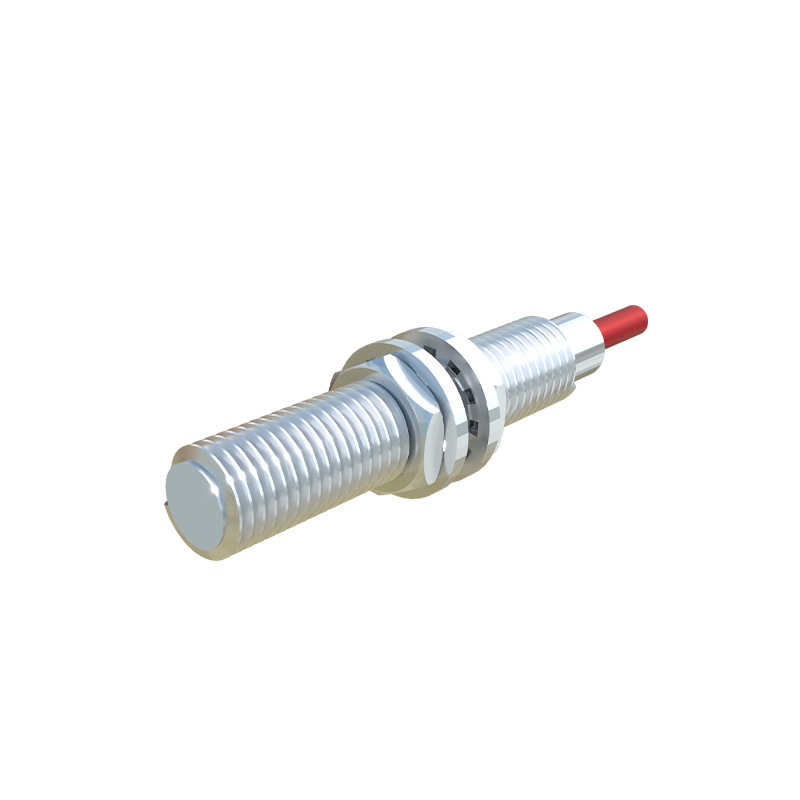
The principle of operation further segments the market. Time-of-Flight (ToF) sensors, which calculate distance by measuring the round-trip time of a laser pulse, are ideal for longer ranges and are typically priced higher than triangulation-based sensors. Triangulation sensors, excelling in short-range, high-accuracy applications, vary in cost based on their design complexity. Furthermore, additional features like background suppression, the ability to ignore irrelevant objects, or advanced communication protocols (IO-Link, Ethernet/IP, PROFINET) add layers of functionality and cost. A basic sensor with a simple digital output (PNP/NPN) will be the most economical entry point.
Brand reputation and manufacturing quality are significant cost factors. Established manufacturers from Germany, Japan, or the United States, known for rigorous quality control, extensive R&D, and global support networks, generally price their products at a premium. These sensors offer reliability, longevity, and comprehensive documentation, which are critical for mission-critical industrial applications. In contrast, generic or budget brands, often originating from broader manufacturing regions, offer lower upfront costs. While suitable for less demanding tasks, they may involve trade-offs in long-term reliability, consistency, and access to technical support.
The housing material and ingress protection (IP) rating directly impact durability and price. A sensor with a stainless-steel housing and an IP67 or IP69K rating, capable of withstanding harsh environments like washdown areas in food processing or outdoor exposure, costs more than a standard plastic-housed sensor with a lower IP rating for clean factory floors. The form factor also matters; miniature sensors designed for tight spaces often involve more compact and expensive components.
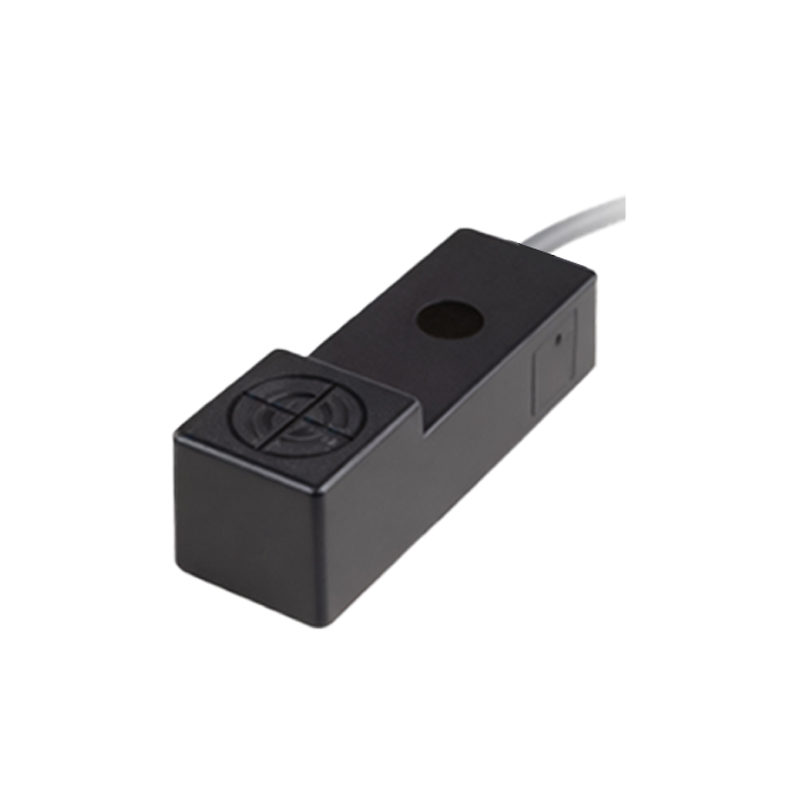
Finally, the supply chain and purchase volume influence the final price. Buying directly from the manufacturer or authorized distributors usually ensures authenticity and support but may have higher unit costs for small quantities. Purchasing in bulk from distributors or through system integrators often unlocks volume discounts. It's essential to consider the total cost of ownership, which includes not just the initial purchase price but also installation, maintenance, potential downtime, and the sensor's operational lifespan.
In summary, laser proximity sensor pricing is a reflection of its capability, robustness, and origin. Prices can range from under a hundred dollars for a basic, short-range model to several thousand dollars for a high-accuracy, long-range, feature-rich sensor from a top-tier brand. The key is to meticulously evaluate the specific application needs—required range, accuracy, environmental conditions, and necessary features—against the budget. Investing in a sensor that precisely matches the operational demands, even at a higher initial cost, often proves more economical than facing the recurring expenses and disruptions of an inadequate solution.