In the realm of industrial automation and control systems, the large disc proximity sensor stands as a critical component for non-contact object detection. Characterized by its distinctive, flat circular sensing face, this type of inductive proximity sensor is engineered to offer an extended sensing range and a larger detection area compared to standard cylindrical or rectangular sensors. Its primary function is to detect the presence or absence of metallic objects—typically ferrous metals like steel and iron, with some models capable of sensing non-ferrous metals—without any physical contact, thereby ensuring reliability and longevity in harsh industrial environments.
The operational principle hinges on electromagnetic induction. The sensor's oscillator circuit generates a high-frequency electromagnetic field that emanates from the front surface of the large disc. When a conductive metal target enters this active field, eddy currents are induced within the target. This causes a load on the oscillator, leading to a change in the oscillation amplitude. This change is detected by the sensor's evaluation circuit, which subsequently triggers a solid-state output switch (PNP/NPN, NO/NC). The "large disc" design is key; its increased surface area allows the electromagnetic field to project further and wider. This makes it exceptionally suitable for applications where the target object might be irregular, positioned with less precision, or where a generous sensing margin is required for safety or process reliability.
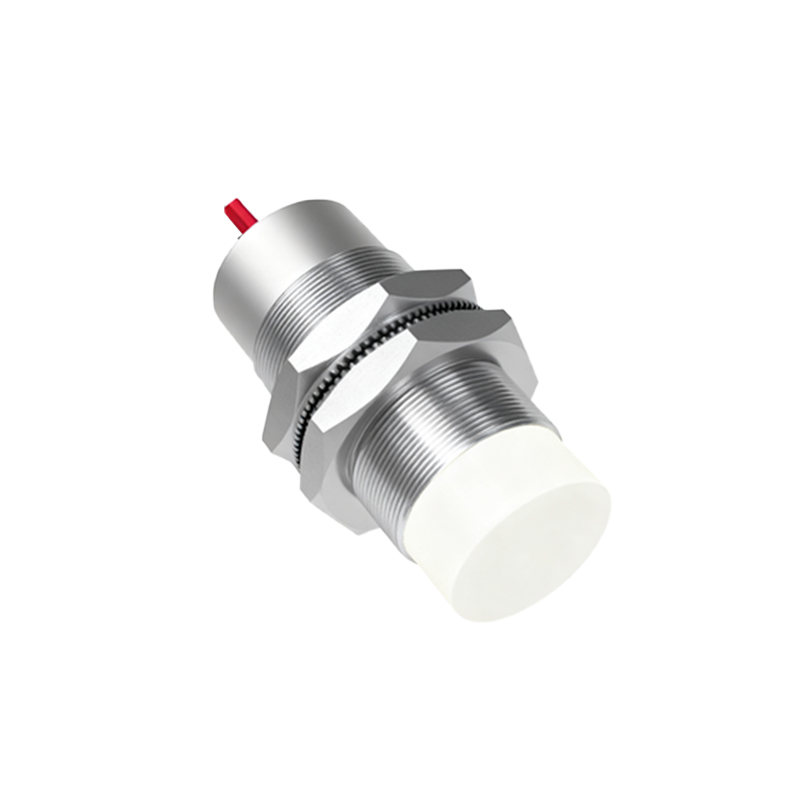
Key technical specifications define its application suitability. The sensing distance, often rated as the "operating distance," is notably greater, with some models offering ranges up to 70mm or more for mild steel. The diameter of the sensing face directly correlates with this range. Hysteresis, the difference between the switch-on and switch-off points, is crucial for stable operation, preventing output chatter as a target teeters at the detection edge. Response frequency indicates how quickly the sensor can detect objects passing by, vital for high-speed production lines. Environmental robustness is paramount; these sensors are typically housed in corrosion-resistant materials like nickel-plated brass or stainless steel, with high Ingress Protection (IP) ratings (e.g., IP67, IP69K) ensuring resilience against dust, coolants, and high-pressure washdowns. They also feature robust electrical protection against short-circuits, overload, and reverse polarity.
The advantages of deploying large disc proximity sensors are manifold. Their non-contact nature eliminates mechanical wear, leading to a virtually maintenance-free operation with a long service life. They provide high repeat accuracy and fast switching, essential for precision automation. The extended sensing range allows for flexible mounting and can compensate for mechanical tolerances or vibrations in machinery. Furthermore, they are largely immune to environmental factors like dirt, oil, and moisture (within their IP rating), unlike optical or mechanical switches.
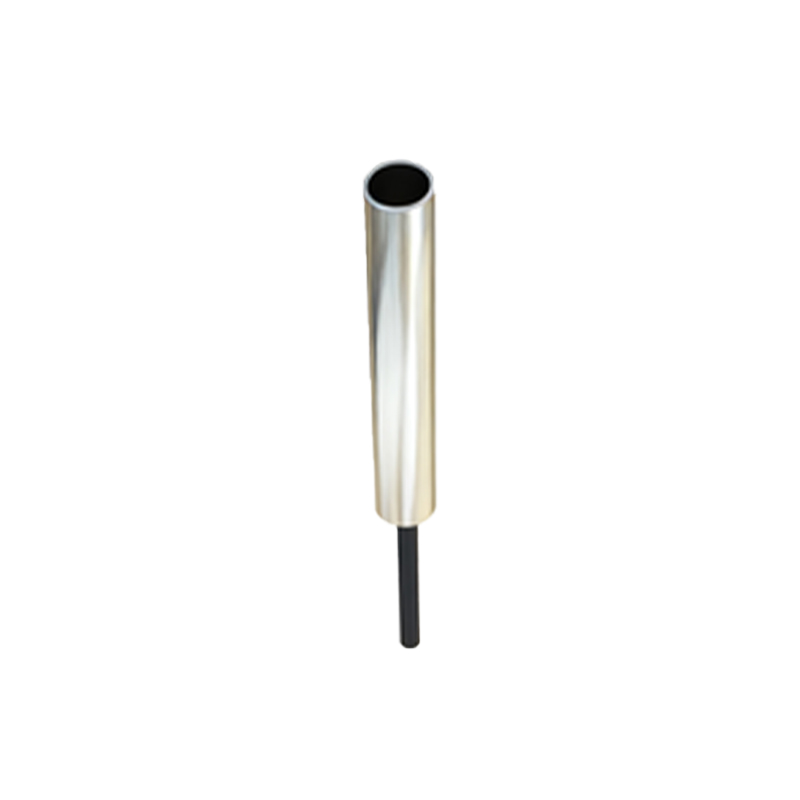
Typical industrial applications are diverse. In material handling and packaging, they are used to detect the presence of pallets, metal containers, or products on conveyor belts. In automotive manufacturing, they monitor the position of robotic arms, verify the placement of chassis components, or count metallic parts. Within metalworking and stamping, they ensure sheet metal is correctly positioned in a press or detect the end-of-travel of a heavy actuator. They are also integral to access and safety systems, such as detecting the closed position of large metal doors, gates, or guards on industrial machinery, ensuring safe operation before a cycle begins.
When selecting a large disc proximity sensor, engineers must consider several factors. First, the target material and size; the sensor must be matched to the specific metal and ensure the target is large enough to be reliably detected at the required distance. Second, the required sensing distance with an appropriate safety margin (usually 70-80% of the rated nominal range). Third, the environmental conditions, including temperature, exposure to chemicals, and potential for physical impact. Fourth, the electrical requirements: operating voltage (commonly 10-30V DC), output type (2-wire, 3-wire, or 4-wire analog), and current rating. Finally, the mounting method—flush, non-flush, or with a specific bracket—affects the actual sensing range and must be planned according to the sensor's datasheet specifications.
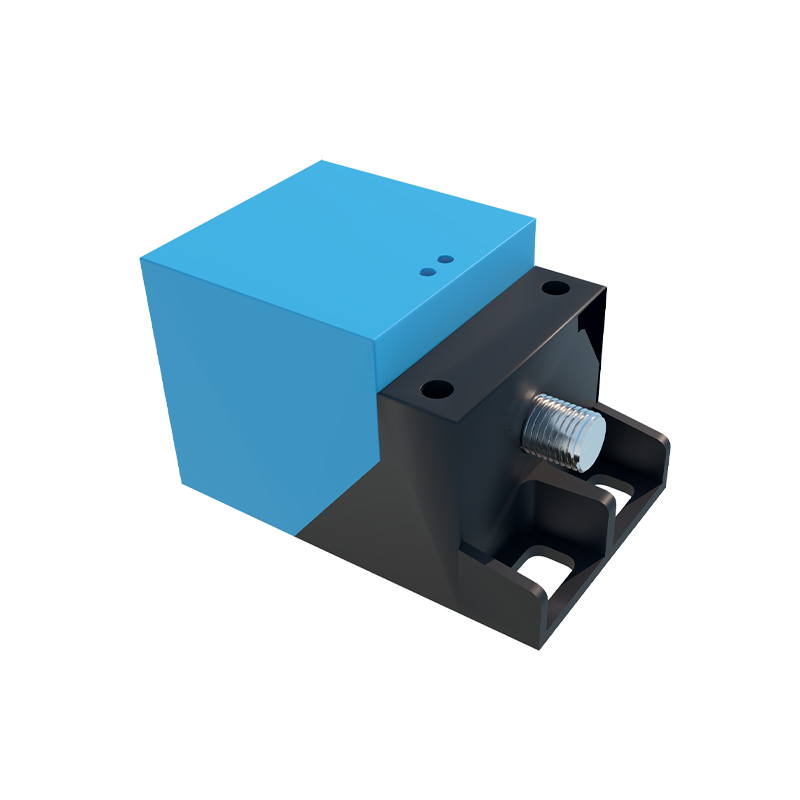
Installation and wiring demand attention to detail. The sensor should be mounted securely to minimize vibration. For optimal performance, especially with non-flush mounting, maintaining the recommended clearance from surrounding metal (as per the manufacturer's guidelines) is critical to avoid false triggering. Proper shielding and routing of cables away from high-power lines are necessary to prevent electromagnetic interference. Regular functional checks, including verifying the output signal and cleaning the sensing face of any accumulated metallic debris or thick grime, form the basis of a simple yet effective maintenance routine.
In conclusion, the large disc proximity