Proximity sensors have become indispensable components in modern industrial automation and consumer electronics, offering non-contact detection capabilities that enhance efficiency, safety, and reliability. These sensors operate by emitting electromagnetic fields or beams of radiation to detect the presence or absence of objects within their sensing range. Their versatility allows integration into a wide array of products and systems, transforming operations across multiple sectors.
In the automotive industry, proximity sensors are critical for advanced driver-assistance systems (ADAS). They enable features such as parking assistance, blind-spot detection, and collision avoidance by monitoring the vehicle's surroundings. For instance, ultrasonic sensors embedded in bumpers measure distances to obstacles, providing real-time feedback to drivers via audible alerts or visual displays. Additionally, inductive proximity sensors are used in engine management systems to monitor rotational speed and position of crankshafts and camshafts, ensuring optimal performance and reduced emissions.
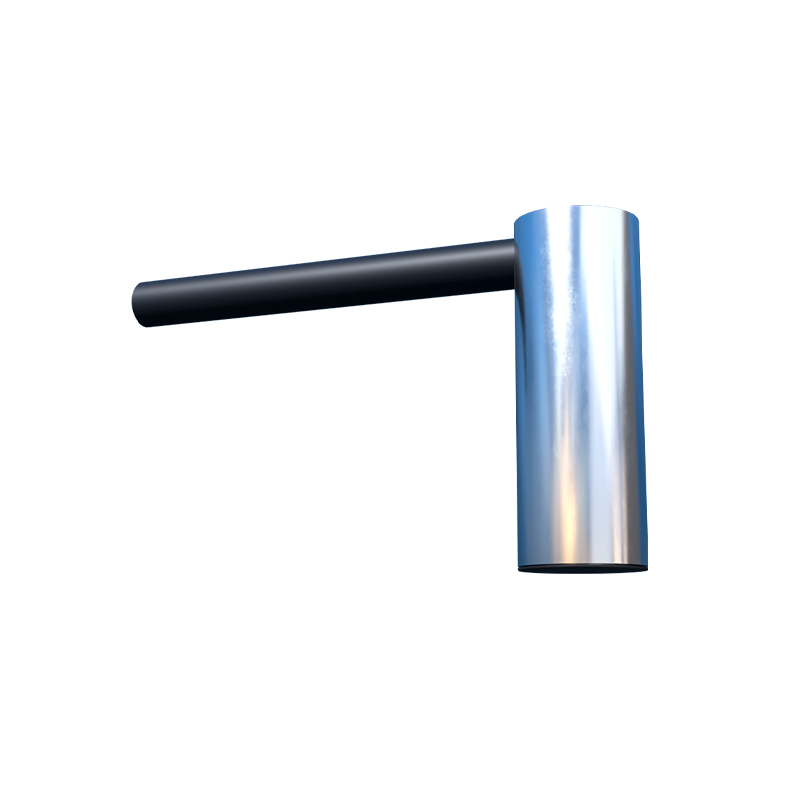
Manufacturing and robotics heavily rely on proximity sensors for precision and automation. On assembly lines, capacitive sensors detect non-metallic materials like plastics, glass, or liquids, facilitating quality control in packaging and filling processes. Inductive sensors, ideal for metallic objects, are employed to count parts, verify positioning, and trigger robotic arms for pick-and-place tasks. In hazardous environments, these sensors enable machinery to operate without physical contact, minimizing wear and tear and preventing accidents. For example, in CNC machining, they ensure tools are correctly aligned, reducing errors and downtime.
Consumer electronics integrate proximity sensors to enhance user experience and energy efficiency. Smartphones utilize infrared-based sensors to detect when a device is held near the ear during calls, automatically turning off the display to prevent accidental touches and conserve battery life. Similarly, automatic faucets and soap dispensers in public restrooms employ capacitive sensors to detect hand presence, promoting hygiene and reducing water waste. Home appliances like robotic vacuum cleaners use these sensors to navigate around furniture and avoid falls from stairs, ensuring seamless operation.
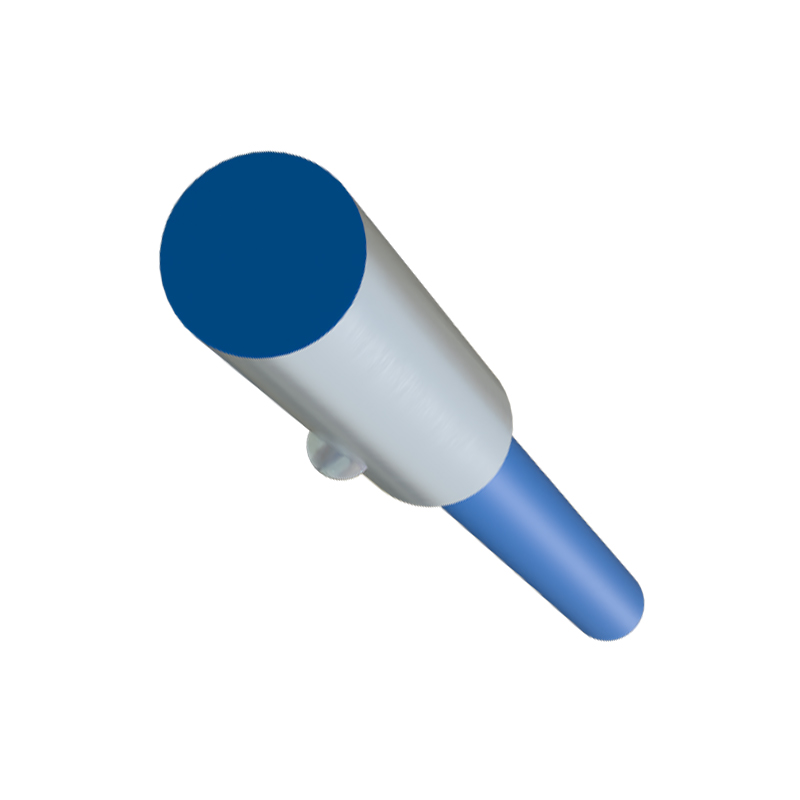
In the aerospace and defense sectors, proximity sensors contribute to safety and functionality. Aircraft employ them for landing gear monitoring, ensuring wheels are properly deployed or retracted. Radar-based sensors assist in altitude measurement and terrain avoidance, critical for flight navigation. Military applications include surveillance systems and unmanned aerial vehicles (UAVs), where sensors detect obstacles or track movements without direct contact, enhancing mission accuracy.
Healthcare technology benefits from proximity sensors in medical devices and equipment. For instance, infusion pumps use sensors to monitor fluid levels, alerting staff when replacements are needed. Hospital beds equipped with sensors can detect patient movement, helping prevent falls and improving care. In diagnostic imaging, sensors ensure precise positioning of components, enhancing image quality and reducing radiation exposure.
The logistics and warehousing industry leverages proximity sensors for inventory management and automation. RFID tags and sensors track goods in real-time, optimizing supply chain visibility. Automated guided vehicles (AGVs) rely on sensors to navigate warehouses, avoiding collisions and streamlining material handling. Conveyor systems use sensors to sort packages based on size or destination, increasing throughput and reducing manual labor.
Renewable energy systems, such as wind turbines, incorporate proximity sensors to monitor blade position and speed, ensuring efficient energy generation and preventing mechanical failures. In solar panel arrays, sensors help adjust angles for maximum sunlight exposure, boosting productivity.
Overall, proximity sensors are pivotal in advancing technology across diverse fields. Their ability to provide accurate, contactless detection supports innovation, from smart cities with intelligent traffic management to agricultural automation for crop monitoring. As industries evolve toward greater connectivity and automation, the demand for robust and adaptable proximity sensors will continue to grow, driving further advancements in product design and operational excellence.