In the world of automation and smart technology, proximity sensors are the unseen workhorses that enable countless devices to interact with their environment without physical contact. These electronic components detect the presence or absence of an object within a specific range, triggering a corresponding output signal. Their ability to perform reliably in harsh conditions, provide non-contact sensing, and offer high-speed response makes them indispensable in modern industrial and consumer applications.
At its core, a proximity sensor operates by emitting a field or beam of electromagnetic radiation, such as infrared light, laser, or radio waves, and then looking for changes in the field or return signal. The object being detected is often referred to as the sensor's "target." The key advantage is the lack of physical contact, which eliminates mechanical wear and tear, increases operational lifespan, and allows for detection of delicate or unstable objects.
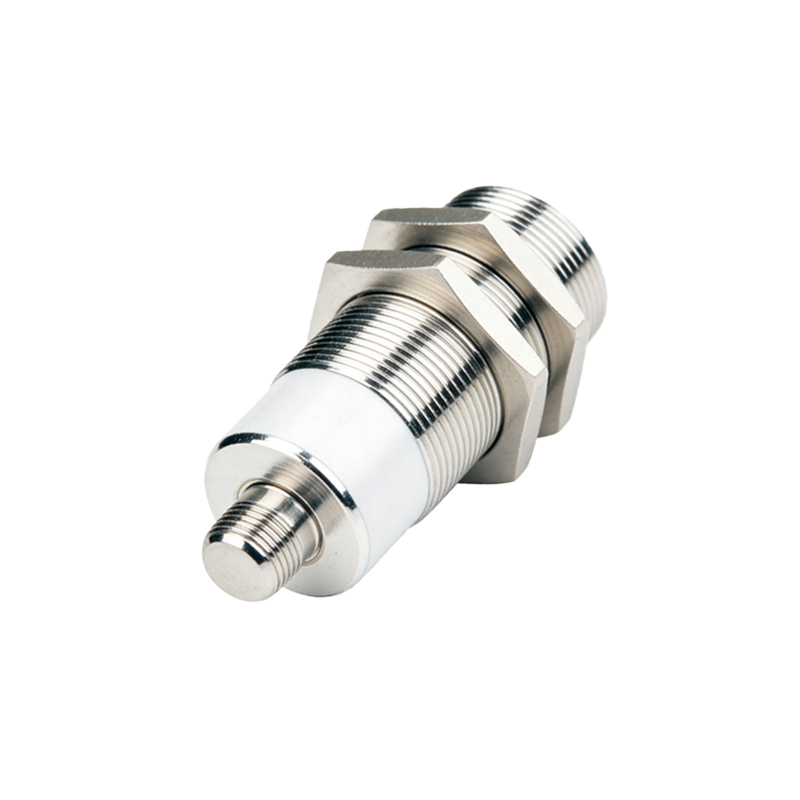
Several primary types of proximity sensors dominate the market, each with distinct operating principles and ideal use cases. Inductive proximity sensors are among the most common. They generate an electromagnetic field and detect the eddy current losses caused when a metallic target enters this field. Consequently, they are exclusively for detecting metals and are widely used in machine automation, metal detection on conveyor belts, and as limit switches. Their robustness makes them suitable for dirty or oily industrial environments.
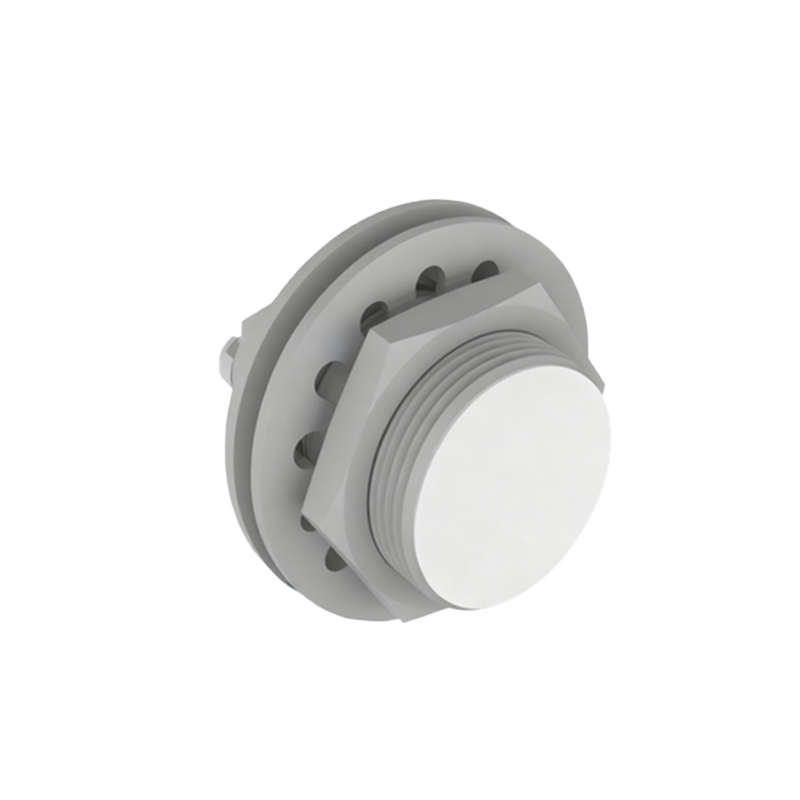
Capacitive proximity sensors, on the other hand, can detect both metallic and non-metallic targets, including liquids, powders, and plastics. They function by generating an electrostatic field and sensing the capacitance change when a target enters this field. This makes them perfect for applications like liquid level detection, material handling, and presence detection of glass or wood.
Photoelectric sensors use light, typically infrared or laser, to detect objects. They consist of an emitter and a receiver. In the through-beam type, the emitter and receiver are separate units; an object is detected when it breaks the light beam. In the retro-reflective type, both units are housed together, and a reflector bounces the light back; detection occurs when the beam is interrupted. The diffuse type relies on light reflecting directly off the target back to the receiver. Photoelectric sensors offer long sensing ranges and are excellent for detecting small objects or those with varied colors and surfaces.
Ultrasonic proximity sensors measure the time it takes for a high-frequency sound wave to bounce back from a target. They are highly effective for detecting objects regardless of color, transparency, or material, and are commonly used for distance measurement, level sensing in tanks, and presence detection in challenging environments with dust or fog.
The applications of proximity sensors are vast and continually expanding. In the industrial sector, they are critical for position sensing, counting objects on production lines, automated assembly, and safety systems like detecting if a guard door is open. In the automotive industry, they enable parking assist systems, collision avoidance, and activation of interior lights. Consumer electronics heavily rely on them; for instance, smartphones use an infrared proximity sensor to turn off the display during a phone call to save power and prevent accidental screen touches. They are also found in touchless faucets, automatic doors, and robotics.
Selecting the right proximity sensor requires careful consideration of several factors. The nature of the target material (metal, plastic, liquid) is paramount. The required sensing distance, often called the "nominal range," must be specified, along with the operating environment (temperature, presence of contaminants, humidity). The output type needed, such as a digital signal (PNP/NPN), analog signal, or a relay, must match the control system. Finally, physical characteristics like size, shape, and housing material (often stainless steel or plastic) are chosen based on installation constraints.
Installation and environmental factors can significantly impact performance. Sensors should be mounted securely to avoid vibration-induced errors. For inductive sensors, it's crucial to maintain proper clearance from surrounding metals to prevent false triggering, a concept known as the "flush-mountable" or "non-flush" mounting specification. For photoelectric and ultrasonic sensors, keeping the lens clean is essential for reliable operation.
The future of proximity sensing is intertwined with the growth of the Internet of Things (IoT) and Industry 4.0. Smarter sensors with integrated IO-Link communication can provide diagnostic data, process parameters, and enable predictive maintenance. Miniaturization continues, allowing these sensors to fit into ever-smaller devices. Furthermore, advancements in sensing technology are leading to sensors that can not only detect presence but also identify materials or measure precise composition.
In conclusion, proximity sensors are fundamental components that bridge the physical and digital worlds. Their diverse technology portfolio—inductive, capacitive, photoelectric, and ultrasonic—provides engineers and designers with precise tools to solve an enormous array of detection challenges. From ensuring the smooth operation of a high-speed bottling plant to enabling the intuitive interface of a smartphone, these silent sentinels play a crucial