Magnetic proximity sensors are indispensable components in modern industrial automation, offering reliable non-contact detection of ferromagnetic objects. These sensors operate based on the Hall effect or magnetoresistive principles, generating a signal when a magnetic field from a target—such as a permanent magnet or ferrous metal—enters their sensing range. Their robustness, immunity to environmental contaminants like dust, oil, and moisture, and ability to function without physical contact make them ideal for harsh industrial settings. This article explores practical application examples across various sectors, highlighting how magnetic proximity sensors enhance efficiency, safety, and precision.
In automotive manufacturing, magnetic proximity sensors play a critical role in assembly lines. They are used to detect the position of engine components, such as crankshafts and camshafts, ensuring precise timing during installation. For instance, sensors monitor the rotation of gears by sensing embedded magnets, providing real-time feedback to control systems that adjust robotic arms. This prevents misalignment and reduces assembly errors. Additionally, in welding stations, sensors detect the presence of vehicle chassis, triggering automated welding robots only when the chassis is correctly positioned, thereby improving weld consistency and worker safety.
The packaging industry relies heavily on magnetic proximity sensors for high-speed sorting and filling operations. On conveyor systems, sensors detect metallic labels or tags on packages, enabling accurate sorting based on product type or destination. In liquid filling machines, a sensor might detect a magnetic flag on a piston to confirm the fill cycle's completion, ensuring each container receives the exact volume. This eliminates overfilling or underfilling, reducing material waste and maintaining product quality. Moreover, in capping machines, sensors verify that caps are properly seated by sensing a small magnet in the cap, preventing leaks and contamination.
Material handling and logistics benefit significantly from these sensors. In automated guided vehicles (AGVs), magnetic proximity sensors follow magnetic tapes embedded in floors for navigation, allowing precise movement along predefined paths without collisions. They also detect the presence of pallets or goods at loading docks, signaling when items are in position for transport. In warehouse storage systems, sensors monitor the position of retrieval arms, ensuring they align correctly with storage bins to prevent damage. This enhances operational throughput and minimizes downtime due to jams or errors.
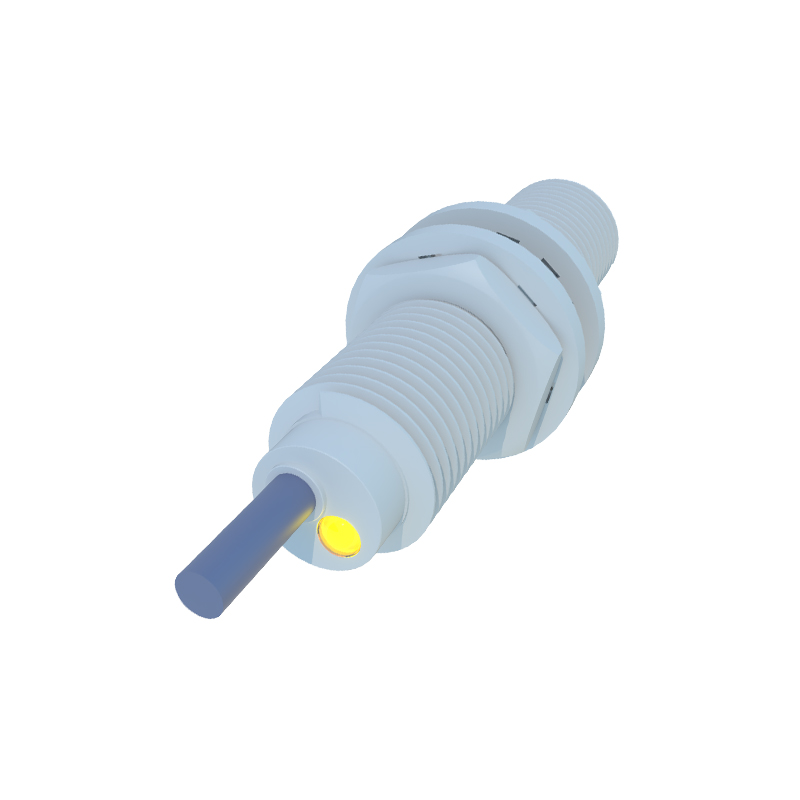
In heavy machinery and construction equipment, magnetic proximity sensors contribute to safety and performance. For example, in hydraulic excavators, sensors detect the extension of booms and arms by sensing magnets on moving parts, providing data to control systems that prevent over-extension or collisions. This protects both the machinery and operators. Similarly, in conveyor belts used in mining, sensors monitor belt speed and detect slippage by sensing magnetic markers, triggering alarms if anomalies occur. This proactive maintenance reduces wear and tear, extending equipment lifespan.
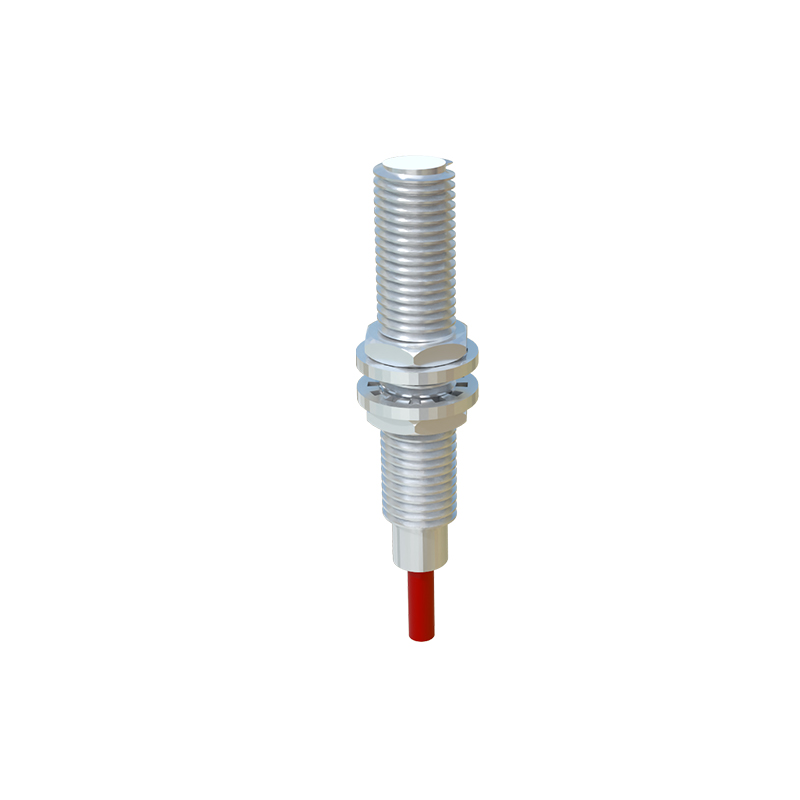
The food and beverage industry employs magnetic proximity sensors in hygienic environments where cleanliness is paramount. Since these sensors do not require physical contact, they avoid contamination risks. In bottling plants, sensors detect metal caps or ferrous components on containers, ensuring proper sealing before shipment. They also monitor the position of mixing blades in tanks by sensing magnets on shafts, confirming that blending processes are complete. This adherence to strict hygiene standards helps meet regulatory requirements while maintaining production efficiency.
Renewable energy sectors, such as wind power, utilize magnetic proximity sensors for monitoring turbine blades. Sensors embedded in the hub detect magnets on each blade, measuring pitch angle and rotation speed. This data optimizes energy capture and prevents damage during high winds by adjusting blade orientation. In solar tracking systems, sensors ensure panels follow the sun's path by detecting magnetic references, maximizing energy output throughout the day.
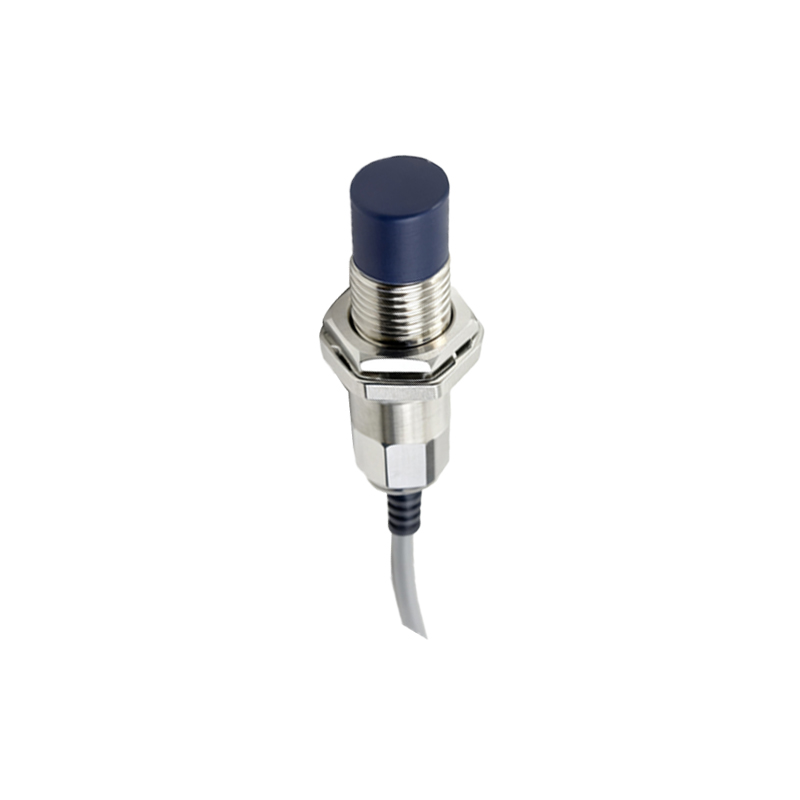
Despite their advantages, selecting the right magnetic proximity sensor requires consideration of factors like sensing distance, temperature range, and output type (e.g., digital or analog). For instance, in high-temperature foundries, sensors with extended thermal tolerance are necessary to avoid failure. Regular maintenance, such as checking for magnetic interference from nearby equipment, also ensures long-term reliability.
In summary, magnetic proximity sensors are versatile tools that drive innovation in industrial automation. From automotive assembly to renewable energy, their applications demonstrate how non-contact sensing can solve complex challenges, improve accuracy, and boost productivity. As industries evolve toward smarter, more connected systems, these sensors will continue to be integral to achieving operational excellence.