Navigating the complex landscape of international trade requires precise classification of goods. For manufacturers, exporters, and importers dealing with industrial components, understanding the correct customs classification for proximity sensors is crucial. This non-contact detection device, essential in automation and safety systems, falls under a specific harmonized code that dictates duty rates, trade statistics, and regulatory compliance.
Proximity sensors are electronic devices that detect the presence or absence of an object within a specific range without physical contact. They operate on various principles, including inductive, capacitive, ultrasonic, and photoelectric technologies. This functional diversity is the primary factor influencing their classification within the Harmonized System (HS), the internationally standardized nomenclature for traded products.
The most common and critical step is locating the correct heading within Chapter 85 of the HS code: "Electrical machinery and equipment and parts thereof; sound recorders and reproducers, television image and sound recorders and reproducers, and parts and accessories of such articles." Proximity sensors are typically not classified as simple switches or articles of base metal. Instead, they are recognized as sophisticated electrical apparatus for making or breaking electrical circuits.
A precise classification often points to heading 8536: "Electrical apparatus for switching or protecting electrical circuits, or for making connections to or in electrical circuits... for a voltage not exceeding 1,000 volts." This heading encompasses a wide range of apparatus, including relays, fuses, and switches. Proximity sensors function as electronic switches, triggering an output signal when an object is detected, thereby making or breaking a control circuit. Therefore, they are frequently classified under HS code 8536.50 or a similar national subheading, which specifically covers "Other apparatus" for switching electrical circuits.
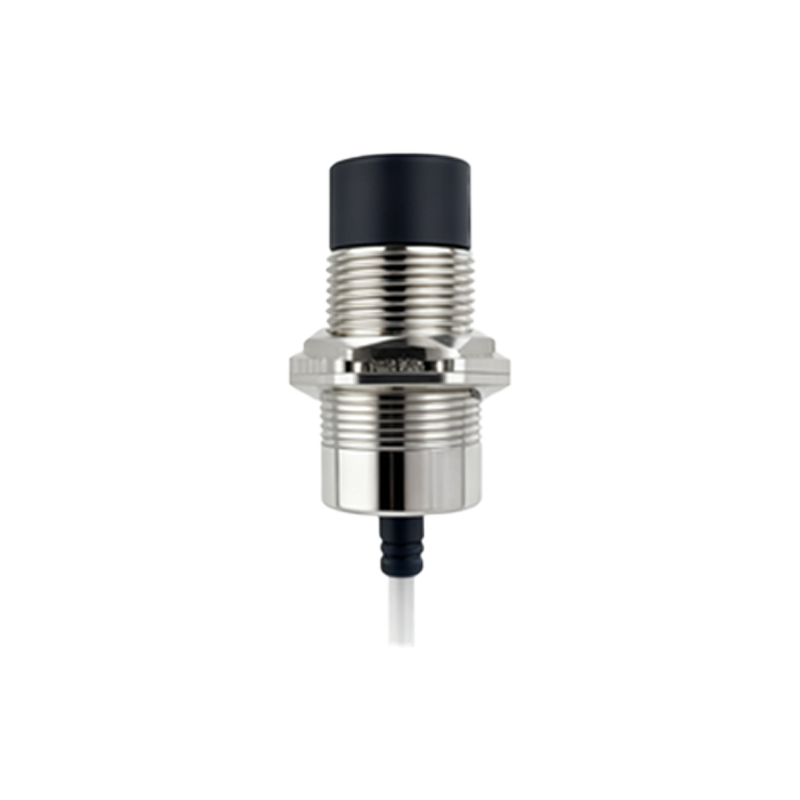
However, classification is not always straightforward. The specific technology and application can lead to alternative classifications. For instance:
Inductive and Capacitive Sensors: These are most firmly placed under 8536, as their primary function is switching based on the detection of metallic or other materials.
Photoelectric Sensors: While also used for switching, their operation based on light beams might sometimes be considered under heading 8543 for "Electrical machines and apparatus, having individual functions, not specified or included elsewhere in this Chapter." This is a residual or "basket" category for electrical goods with specific functions not covered more precisely elsewhere.
Sensors with Advanced Outputs: A proximity sensor integrated with sophisticated analog output or communication protocols (e.g., IO-Link) that performs a function beyond simple switching may face classification questions. The essential character and primary function remain the guiding principles.
Accurate classification requires a detailed product description for customs authorities. This should include:
Technical Working Principle: Inductive, capacitive, ultrasonic, photoelectric.
Primary Function: To act as a switch, detector, or measuring device.
Output Type: Digital (PNP/NPN), analog (4-20mA, 0-10V), or networked.
Operating Voltage: Typically 10-30V DC, confirming it is for circuits under 1,000V.
Physical Design and Housing: Shape, size, and connection type (e.g., M12 connector).
Misclassification risks are significant. An incorrect HS code can lead to:
Payment of Incorrect Duties: Overpayment affects competitiveness; underpayment results in back duties, fines, and penalties.
Customs Delays and Seizures: Goods may be held at the border for verification, disrupting supply chains.
Violation of Trade Regulations: Certain classifications may be subject to anti-dumping duties or import restrictions.
Inaccurate Trade Data: This affects national statistics and trade policy analysis.
To ensure compliance, companies should:
1. Consult Official Resources: Refer to the national customs tariff database of the destination country, which is based on the HS.
2. Analyze Binding Rulings: Seek or review existing Binding Tariff Information (BTI) or Advance Rulings from customs authorities for similar products.
3. Engage Specialists: Work with experienced customs brokers or trade compliance consultants who understand the nuances of electrical apparatus classification.
4. Document Thoroughly: Maintain detailed technical datasheets and internal classification rationale for every sensor model.
5. Review Regularly: Re-evaluate classifications if the sensor's design, function, or the legal notes of the HS are updated.
In conclusion, while proximity sensors are commonly classified under HS heading 8536 as electrical switching apparatus, careful analysis of their individual characteristics is mandatory. A methodical approach to customs classification, grounded in the product's essential function and technical specifications, is the most reliable strategy for ensuring smooth cross-border movement, cost predictability, and full regulatory compliance in global trade.