In the realm of industrial automation and smart systems, proximity infrared (IR) sensors stand as a cornerstone technology, enabling non-contact detection, measurement, and control. These sensors operate on the principle of emitting an infrared light beam and analyzing the reflected signal to determine the presence, absence, or distance of an object. Unlike inductive or capacitive sensors, IR proximity sensors can detect a wide range of materials, including non-metallic objects, making them exceptionally versatile.
The core working mechanism involves an IR emitter, typically a light-emitting diode (LED), and a photodetector. The emitter projects a modulated infrared beam. When an object enters the sensing field, it reflects part of this beam back to the photodetector. The sensor's internal circuitry then processes this signal. There are two primary modes of operation: diffuse reflective and retro-reflective. In the diffuse mode, the sensor detects light reflected directly off the target object. This mode is common for short-range detection and is highly dependent on the object's color and surface texture; lighter colors reflect better than darker ones. The retro-reflective mode employs a separate reflector. The sensor emits IR light towards the reflector, which bounces it directly back. An object interrupting this beam path is detected. This method allows for longer sensing distances and is less sensitive to the object's surface properties.
A key advantage of modern proximity IR sensors is their immunity to ambient light interference. By using a modulated IR signal and tuned receiver, they can distinguish their own emitted light from other sources like sunlight or factory lighting. Advanced models incorporate background suppression technology, which uses triangulation principles to define a precise sensing window, ignoring objects beyond a set distance. This is crucial for applications requiring exact positioning.
The applications of proximity infrared sensors are vast and critical across industries. In manufacturing assembly lines, they are used for object counting, jam detection, and verifying the presence of components. In packaging machinery, they ensure correct fill levels and label positioning. Within the automotive sector, these sensors facilitate robotic guidance, part inspection, and safety curtain systems. They are also integral to consumer electronics, enabling features like automatic screen dimming in devices and touchless interfaces. In logistics and warehousing, they manage inventory on conveyor belts and control automated guided vehicles (AGVs).
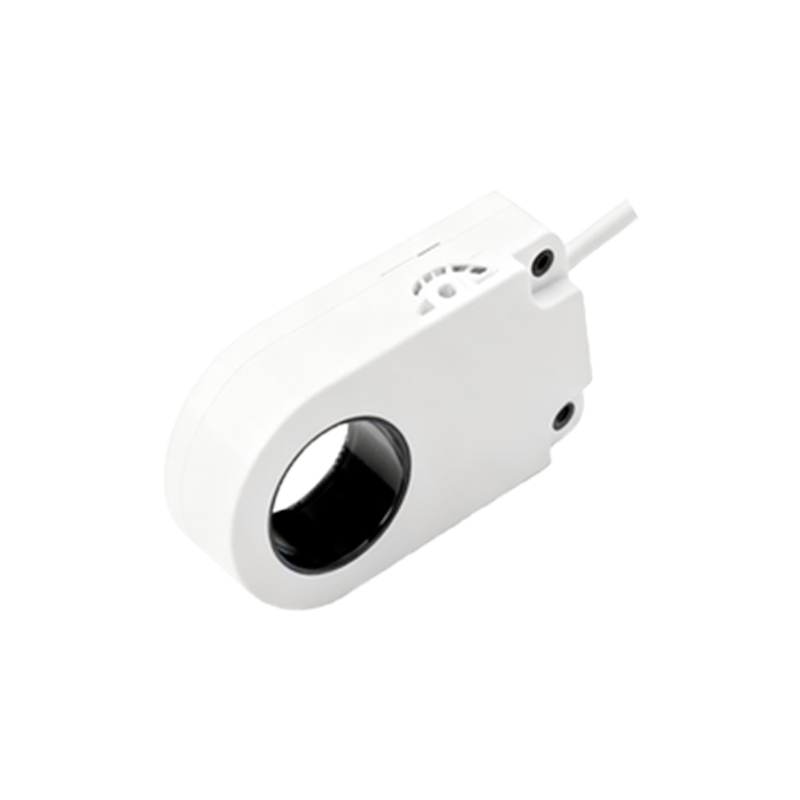
Selecting the right IR proximity sensor requires careful consideration of several parameters. Sensing range is paramount; it must be suited to the specific application, with a sufficient margin for consistent operation. The response time, often in milliseconds, determines how fast the sensor can detect a passing object, which is vital for high-speed production. Environmental factors cannot be overlooked. Sensors rated with high Ingress Protection (IP) codes (e.g., IP67) are necessary for dusty, humid, or washdown environments common in food and beverage or pharmaceutical plants. The housing material, often stainless steel or rugged polymers, must withstand physical impact and chemical exposure. Output type is another decision point: digital outputs (PNP/NPN) are standard for simple on/off detection, while analog outputs (0-10V, 4-20mA) provide continuous distance information for more complex control tasks. Finally, considering the mounting constraints and connection type (connector or cable) ensures easy integration into existing systems.
Installation and maintenance are straightforward but crucial for optimal performance. Sensors should be mounted securely to avoid vibration-induced errors. It is essential to avoid optical interference, such as placing two sensors directly opposite each other or having highly reflective surfaces in the background that could cause false triggers. Regular cleaning of the lens is necessary, as dust, oil, or condensation can attenuate the IR beam and reduce sensing reliability. Most sensors feature a diagnostic LED indicator to signal operational status and detection events, aiding in setup and troubleshooting.
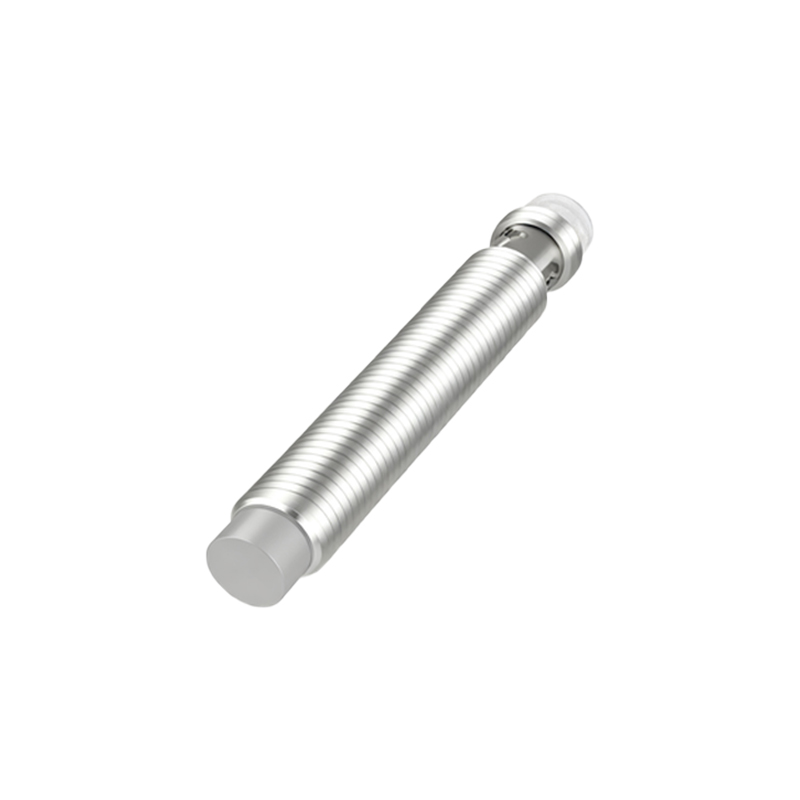
Looking ahead, the evolution of proximity IR sensors is intertwined with Industry 4.0. The integration of IO-Link communication allows for bidirectional data exchange, enabling remote configuration, real-time monitoring of sensor health, and predictive maintenance alerts. Furthermore, miniaturization continues, allowing these powerful sensors to fit into increasingly compact machinery and devices.
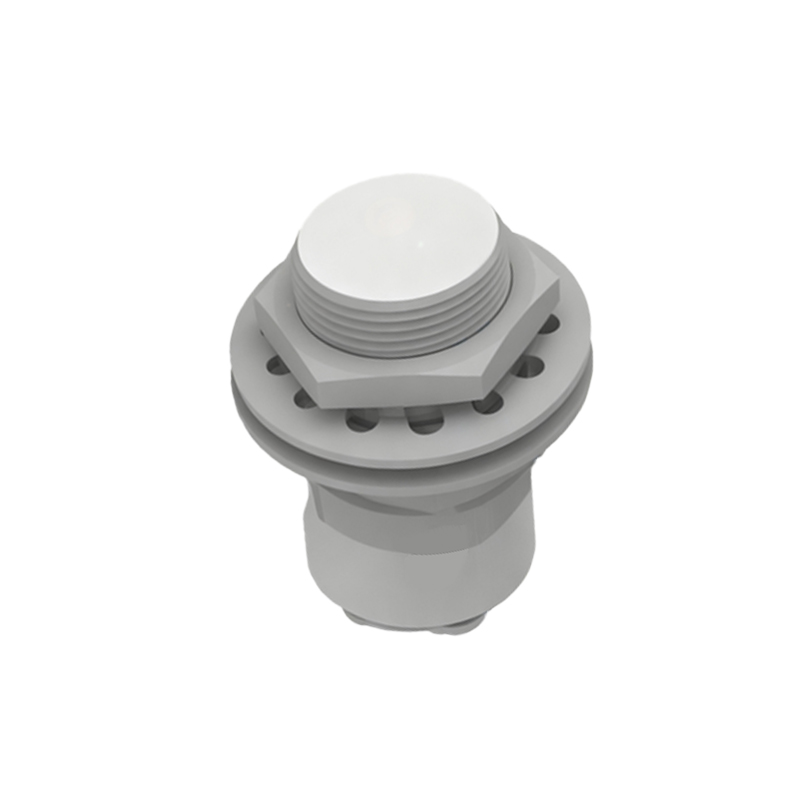
In conclusion, proximity infrared sensors are indispensable, reliable workhorses in automation. Their ability to provide precise, non-contact detection across diverse materials and challenging environments makes them a fundamental choice for engineers designing efficient, safe, and intelligent industrial systems. A thorough understanding of their principles and a methodical approach to selection and installation are key to leveraging their full potential.