In industrial automation and control systems, proximity sensors are critical components for detecting the presence or absence of objects without physical contact. Among various mounting options, threaded installation remains one of the most reliable and widely adopted methods due to its mechanical stability, ease of alignment, and adaptability to harsh environments. This article delves into the key considerations, steps, and best practices for threaded installation of proximity sensors, ensuring optimal performance and longevity.
Threaded proximity sensors typically feature standardized thread sizes, such as M8, M12, M18, or M30, conforming to international norms like ISO and DIN specifications. The selection of thread size depends on factors like sensor housing design, application space constraints, and required sensing range. Before installation, it is essential to verify the thread type—whether metric, NPT (National Pipe Thread), or PG—to match the mounting fixture or housing. Using mismatched threads can lead to cross-threading, leakage, or sensor damage, compromising system integrity.
The installation process begins with preparing the mounting location. Ensure the mounting surface is clean, flat, and free of debris to prevent misalignment. For through-hole mounting, drill a hole of appropriate diameter and depth, considering the sensor’s thread length and any required clearance. In applications involving metallic environments, maintain a minimum distance between the sensor and surrounding metal surfaces to avoid interference with the electromagnetic field, which could reduce sensing accuracy.
When threading the sensor, avoid excessive force. Hand-tighten initially to align the threads properly, then use a calibrated torque wrench to secure it to the manufacturer’s specified torque value. Over-tightening can strip threads or deform the sensor housing, while under-tightening may cause vibrations or loosening over time. For sensors used in wet or dusty conditions, apply a suitable sealant or O-ring to the threads to enhance ingress protection, typically rated by IP standards.
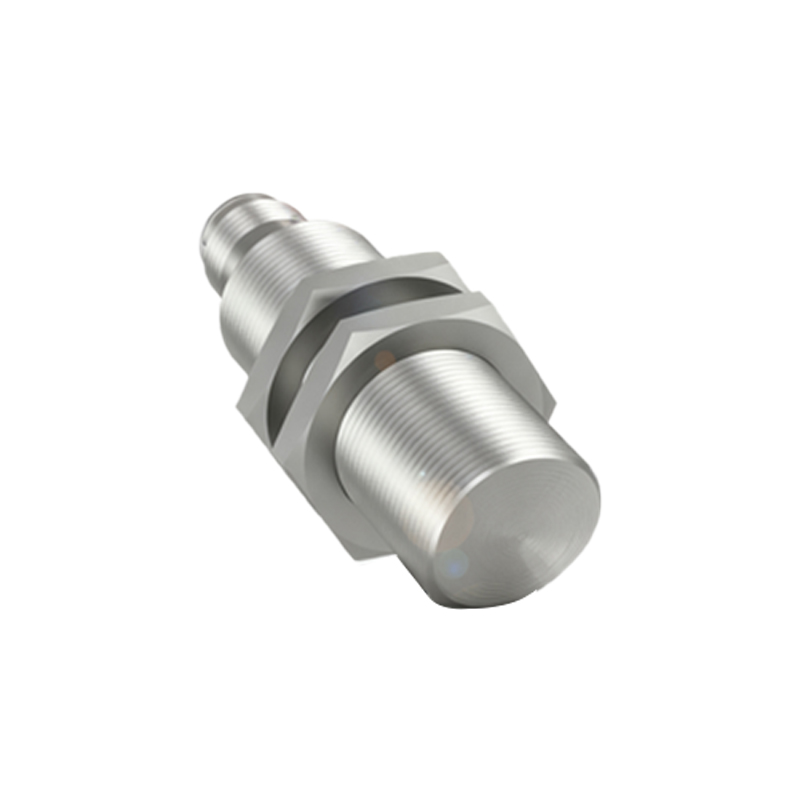
Alignment is crucial for inductive and capacitive proximity sensors, as off-axis mounting can diminish detection range. Position the sensor perpendicular to the target object’s approach direction, and ensure the sensing face is unobstructed. For threaded sensors with adjustable sensing ranges, follow calibration procedures after installation to fine-tune sensitivity. Regular maintenance checks should include inspecting threads for wear, corrosion, or loosening, especially in high-vibration settings like conveyor systems or machining centers.
In summary, threaded installation offers a robust solution for mounting proximity sensors in diverse industrial scenarios. By adhering to standardized practices—selecting correct thread types, applying proper torque, and ensuring environmental sealing—engineers can maximize sensor reliability and system efficiency. Always consult the sensor’s technical datasheet for specific instructions, as variations exist across models and manufacturers.