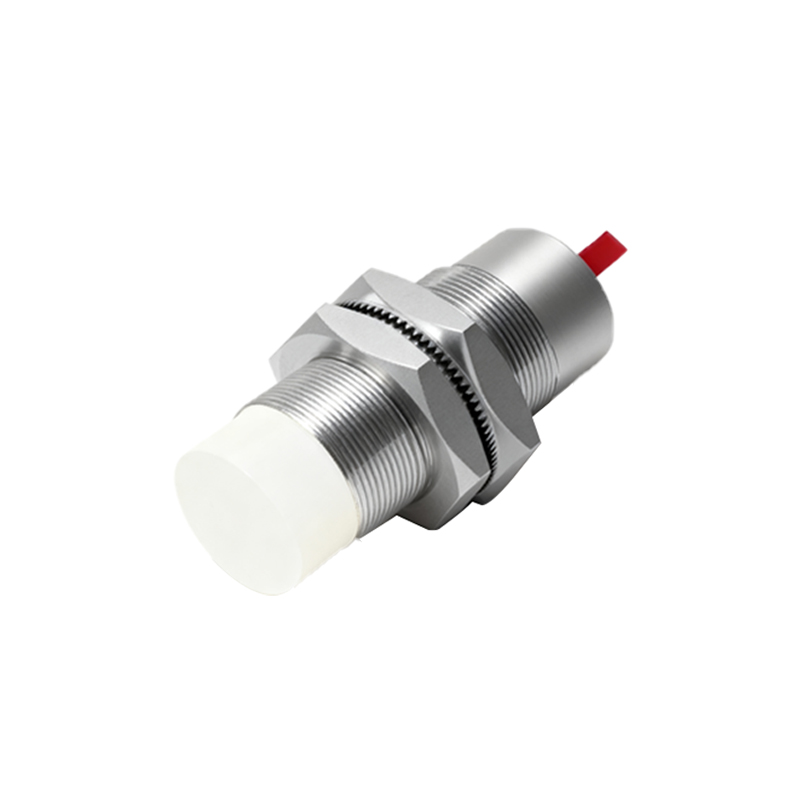
In the realm of industrial automation and electronic design, SMD (Surface Mount Device) square proximity sensors have become indispensable components. These compact, non-contact devices are engineered to detect the presence or absence of metallic or non-metallic objects within a specified sensing range, triggering a corresponding electronic signal without any physical contact. Their square form factor is particularly advantageous for high-density PCB (Printed Circuit Board) layouts, enabling efficient use of board space in modern, miniaturized equipment.
The core operating principle of most SMD square proximity sensors is based on electromagnetic or capacitive sensing. Inductive types, the most common for metal detection, generate an oscillating electromagnetic field from a coil within the sensor. When a metallic object enters this field, eddy currents are induced in the target, causing a change in the oscillation amplitude. This change is detected by the sensor's internal circuitry, which then switches the output state. Capacitive variants, suitable for detecting both metallic and non-metallic materials like plastics or liquids, measure changes in capacitance between the sensor's electrode and the target object. The square housing typically encapsulates the sensing element, oscillator, amplifier, and output switching circuit into a single, robust package designed for automated reflow soldering processes.
Key performance parameters define the suitability of an SMD proximity sensor for a given application. The sensing distance, or nominal range, is a critical specification, typically ranging from a fraction of a millimeter to several millimeters for SMD types. Factors such as target material, size, and temperature can influence the effective sensing distance. Response time, often in the microsecond range, determines how quickly the sensor can detect a change and alter its output, which is vital for high-speed automation. The output configuration is another crucial consideration; these sensors commonly provide digital outputs like NPN (sinking), PNP (sourcing), or push-pull, compatible with PLCs (Programmable Logic Controllers) and microcontrollers. Furthermore, built-in protection against reverse polarity, short-circuits, and electrical noise (EMI) is standard in quality components to ensure reliability in harsh industrial environments.
The applications for SMD square proximity sensors are vast and varied. In consumer electronics, they are used for lid-open detection in laptops, position sensing in smartphones, and touch-sensitive controls. Within automotive systems, they contribute to seat occupancy detection, gear position sensing, and safety interlock mechanisms. The manufacturing sector relies on them for precision part counting, robotic end-effector positioning, and verifying the presence of components on assembly lines. Their SMD construction makes them ideal for high-volume production using pick-and-place machines, significantly reducing assembly time and cost compared to through-hole counterparts.
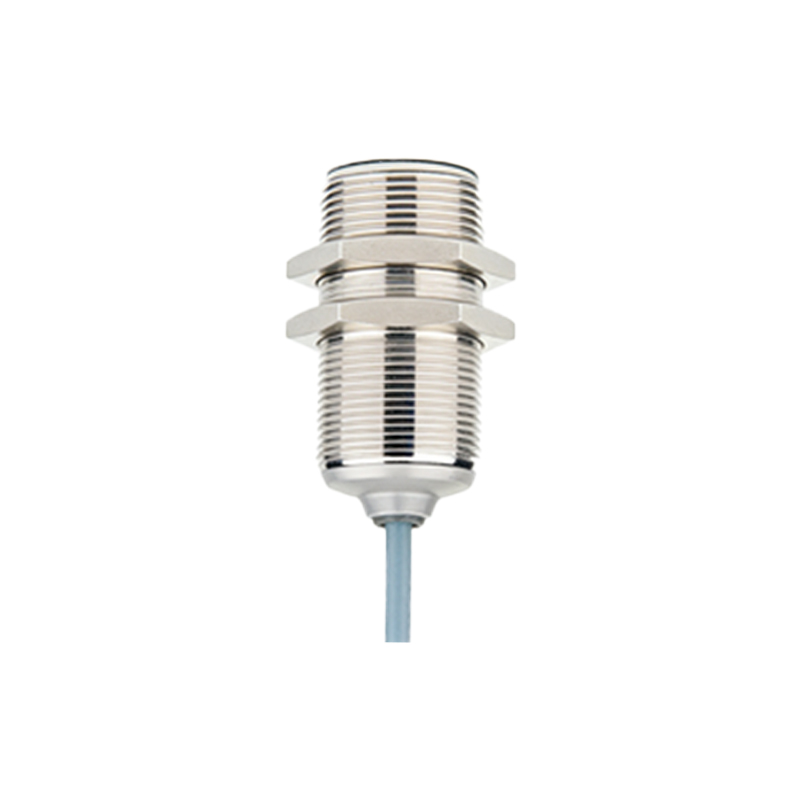
Selecting the right SMD square proximity sensor requires a careful analysis of the operating conditions. First, identify the target material—ferrous metals, non-ferrous metals, or all materials—to choose between inductive and capacitive technologies. The required sensing distance and the available physical space for mounting will dictate the sensor's size and form factor. The electrical interface must match the control system's voltage levels (e.g., 3.3V, 5V, 12-24V DC) and input type. Environmental factors such as ambient temperature, potential exposure to dust, coolant, or vibration must be considered, with some models offering enhanced sealing (e.g., conformal coating) for demanding conditions. Finally, consulting the manufacturer's detailed datasheet for mounting recommendations, such as keep-out zones around the sensing face, is essential to avoid performance degradation caused by adjacent metal or other sensors.
In conclusion, SMD square proximity sensors represent a sophisticated fusion of miniaturization, reliability, and functionality. Their design addresses the core needs of contemporary electronics manufacturing: space efficiency, automated assembly compatibility, and robust performance. By understanding their operating principles, key specifications, and application requirements, engineers and designers can effectively integrate these powerful sensing solutions to enhance automation, improve safety, and enable innovative features across countless industries. As technology progresses, we can anticipate further advancements in sensing range, power consumption, and intelligence integrated directly into these compact square packages.