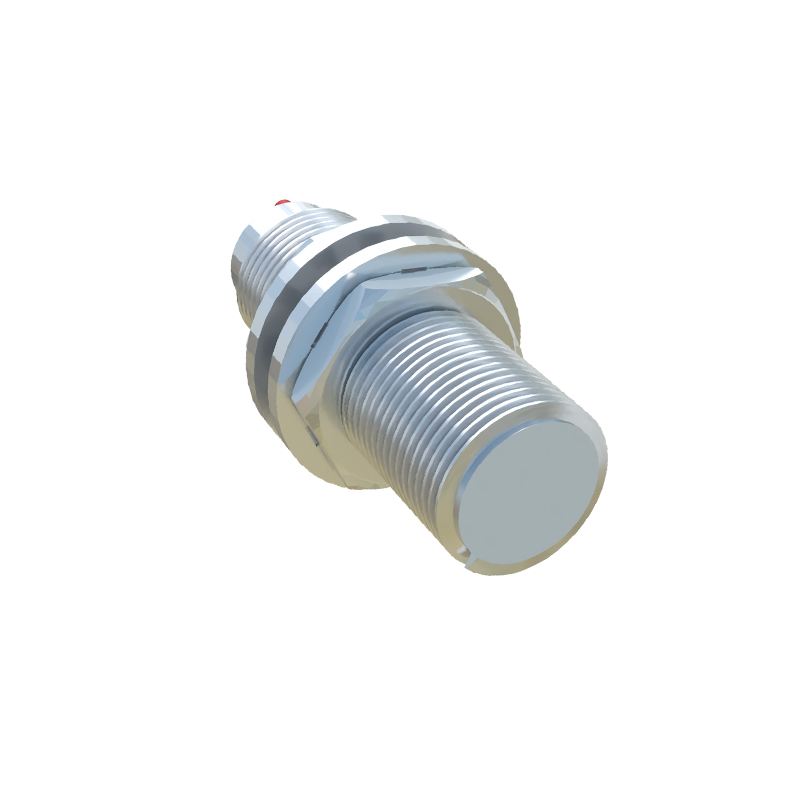
Light curtain proximity sensors, often referred to as safety light curtains or optical guards, are critical components in modern industrial automation systems. These devices provide non-contact detection and safety monitoring by creating an invisible curtain of infrared light beams between an emitter and a receiver unit. When an object or person interrupts one or more beams, the sensor triggers a safety response, such as stopping machinery or initiating an alarm. This technology is widely adopted in manufacturing, robotics, and material handling to protect workers and equipment while maintaining high productivity.
The operational principle of light curtains relies on modulated infrared signals to distinguish between ambient light and actual beam interruptions. Advanced models feature high resolution, allowing detection of small objects, and offer customizable fields for different application needs. Key parameters include response time, which is typically in milliseconds, and protective height, ranging from a few centimeters to over two meters. Integration with Programmable Logic Controllers (PLCs) and safety relays ensures seamless compliance with international standards like ISO 13849 and IEC 61496.
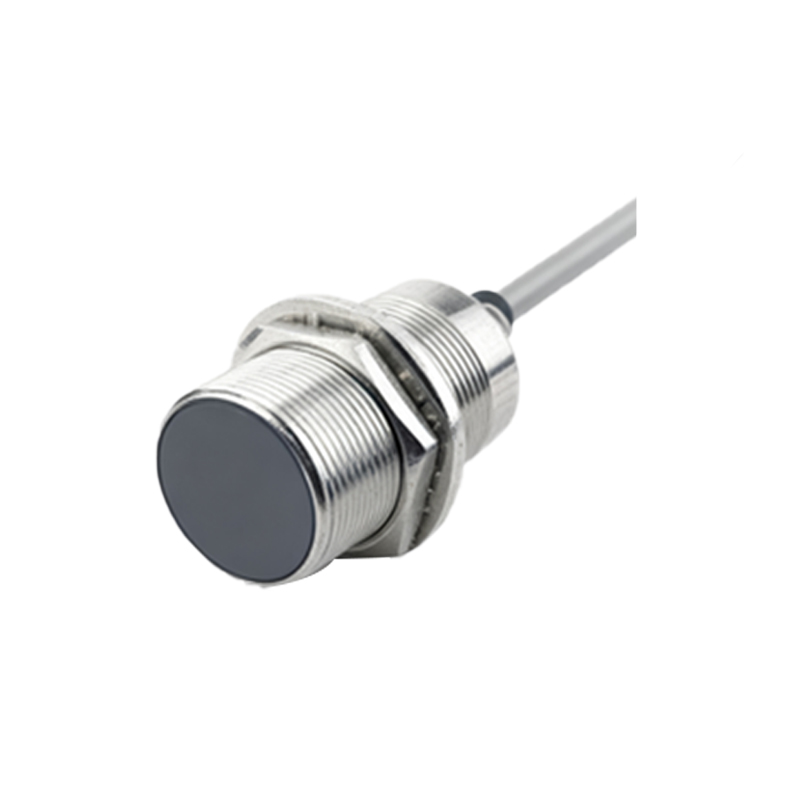
In practice, light curtains are deployed in hazardous areas such as press brakes, assembly lines, and automated guided vehicle (AGV) pathways. They enable safe human-machine collaboration by allowing operators to work near machinery without physical barriers, thus enhancing flexibility. Regular maintenance, including lens cleaning and alignment checks, is essential to prevent false triggers and ensure reliability. As Industry 4.0 evolves, smart light curtains with IoT connectivity are emerging, enabling predictive analytics and real-time monitoring for improved safety management.
Overall, light curtain proximity sensors represent a blend of precision engineering and safety innovation. Their ability to reduce downtime, prevent accidents, and adapt to diverse industrial environments makes them indispensable in today's automated facilities. Engineers must consider factors like environmental conditions, required safety levels, and system integration when selecting and installing these sensors to maximize their benefits.