In the rapidly evolving landscape of industrial automation, photoelectric proximity sensors have become indispensable components for detection, positioning, and quality control. Their ability to sense objects without physical contact, through the use of light beams, makes them ideal for harsh environments where durability and precision are paramount. However, off-the-shelf sensors often fall short of meeting the unique demands of specialized applications. This is where customization comes into play, guided by a set of critical standards that ensure reliability, compatibility, and performance.
The foundation of any customization process begins with a thorough analysis of the operating environment. Factors such as ambient light, temperature extremes, humidity, and exposure to chemicals or dust must be evaluated. For instance, sensors deployed in food processing plants may require stainless steel housings and IP69K ratings to withstand high-pressure washdowns, while those in automotive manufacturing might need enhanced resistance to oils and coolants. The ingress protection (IP) rating, along with material selection, forms the first pillar of customization standards.
Next, the sensing range and beam characteristics must be tailored to the specific task. Photoelectric sensors come in various types—diffuse, retro-reflective, and through-beam—each with distinct advantages. Customization may involve adjusting the sensing distance, selecting specific wavelengths (e.g., infrared, red light, or laser), or incorporating background suppression technology to ignore irrelevant objects. In logistics automation, for example, sensors might be customized with precise focal points to detect small items on fast-moving conveyor belts, reducing false triggers and improving throughput.
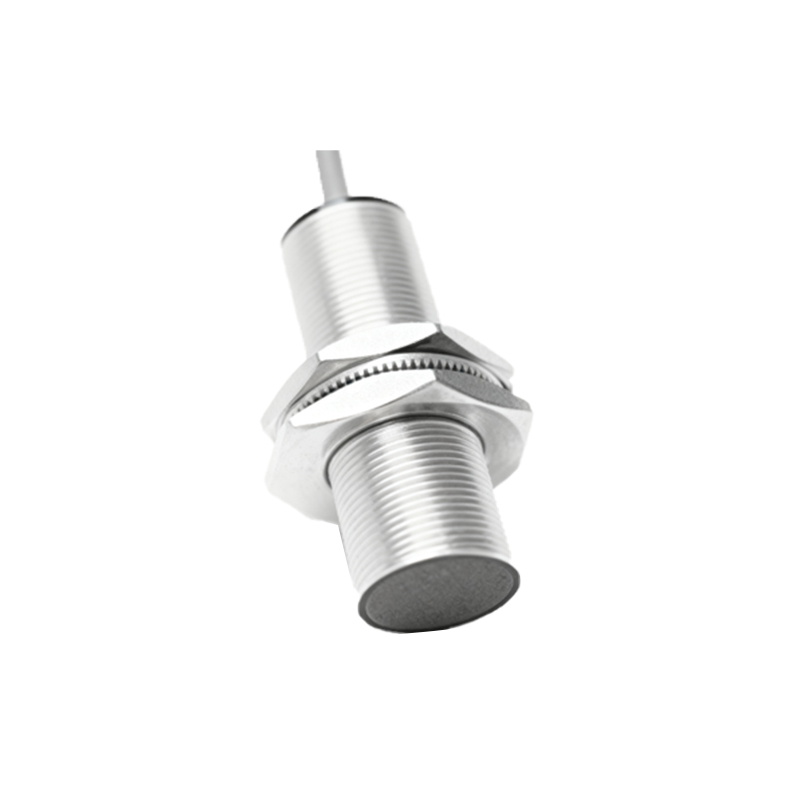
Electrical and output specifications are equally crucial. Voltage requirements, output types (PNP/NPN, analog, or IO-Link), and connection interfaces must align with the existing control systems. Custom cable lengths, connectors, or housing designs can simplify installation and maintenance. Moreover, integrating smart features like diagnostics, programmable logic, or network connectivity (e.g., Ethernet/IP or PROFINET) has become a growing trend, enabling predictive maintenance and data-driven optimization.
Regulatory compliance cannot be overlooked. Custom sensors must adhere to international standards such as IEC 60947-5-2 for industrial control equipment, UL listings for safety, and RoHS directives for environmental safety. Electromagnetic compatibility (EMC) testing ensures that sensors operate reliably without interfering with other electronic devices. In sectors like pharmaceuticals or aerospace, additional certifications (e.g., FDA or ATEX) might be necessary to meet stringent industry regulations.
Finally, collaboration between engineers and manufacturers is key to successful customization. Detailed documentation, including performance metrics, testing protocols, and lifecycle expectations, ensures transparency and quality control. Prototyping and validation in real-world conditions help refine designs before full-scale production. By adhering to these standards, businesses can achieve optimized sensor solutions that enhance efficiency, reduce downtime, and adapt to future technological shifts.
In summary, customizing photoelectric proximity sensors is a meticulous process driven by environmental, functional, electrical, and regulatory standards. As industries continue to embrace automation and IoT, the demand for tailored sensor solutions will only grow, making these standards essential for innovation and operational excellence.