In the intricate world of industrial automation, the reliability and precision of sensing technology are paramount. Among the diverse array of sensors, the square proximity switch sensor has carved out a significant niche, offering distinct advantages in various demanding applications. Unlike their cylindrical counterparts, these sensors present a unique form factor that often translates to enhanced functionality and easier integration.
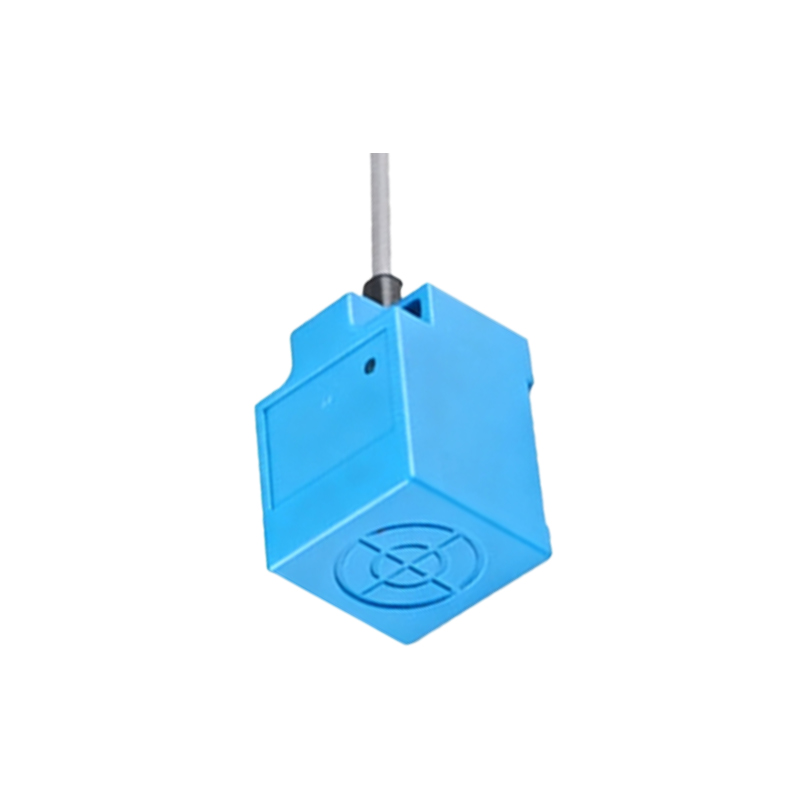
The fundamental principle of operation for an inductive square proximity sensor remains the same as other inductive types: it generates an electromagnetic field and detects changes caused by the presence of a metallic target. However, the square housing is not merely an aesthetic choice. Its flat surfaces and right-angle design allow for more efficient use of space within control panels and machinery. This is particularly beneficial in modern, compact machine designs where every millimeter counts. The flat face can often be mounted flush with a surface, reducing the risk of physical damage from passing objects or machinery. Furthermore, the design frequently incorporates multiple mounting options, such as through-holes or brackets on different sides, providing unparalleled flexibility for installation in tight or unconventional spaces.
From a performance perspective, square proximity sensors are engineered to meet rigorous industrial standards. They typically boast robust construction with high-grade materials like PBT or stainless steel housings, ensuring excellent resistance to oils, coolants, and particulate matter common in manufacturing environments. The sensing face, often made of a specialized polymer, allows the electromagnetic field to pass through while protecting the internal coil. Many models feature LED status indicators visible from multiple angles, a simple yet critical feature for quick diagnostics and maintenance. The switching frequency and sensing range are comparable to cylindrical sensors, but the square shape can sometimes allow for a larger internal coil or electronics package, potentially leading to slightly longer sensing distances or improved stability in the presence of different metals.
The application spectrum for these sensors is broad. They are extensively used in material handling systems for position detection of pallets, carts, or elevators where their flat profile is advantageous. In automated assembly lines, they reliably detect the presence of metal components, tools, or fixtures. Their robust nature makes them ideal for harsh environments like welding cells or stamping presses, where spatter and vibration are constant challenges. A key advantage is their use in safety interlocking systems; their shape allows for secure mounting on guard doors or movable barriers, ensuring a machine only operates when all safety panels are correctly closed.
When selecting a square proximity sensor, engineers must consider several parameters beyond the shape. The sensing distance, rated for a standard target, is crucial. The type of output (e.g., NPN, PNP, NO, NC) must be compatible with the PLC or control system. Voltage range, current consumption, and protection ratings like IP67 or IP69K for water and dust ingress are non-negotiable for long-term reliability. Additionally, some advanced models offer features like weld-field immunity (for environments with strong electromagnetic interference from welding equipment) and short-circuit protection.
Installation and wiring are generally straightforward. The terminal connections are typically accessed from the rear or top of the sensor. It is vital to ensure proper clearance around the sensing face, as specified by the manufacturer, to avoid false triggers from the mounting bracket or surrounding metal. Regular maintenance involves simply keeping the sensing face clean and free from buildup of metallic debris or conductive contaminants that could degrade performance.
In conclusion, the square proximity switch sensor represents a sophisticated evolution in sensing technology, tailored for the spatial and durability demands of contemporary industry. Its geometric design solves practical installation challenges while delivering the dependable, non-contact detection that automated systems rely on. As factories become smarter and layouts more condensed, the functional benefits of the square form factor—ease of mounting, space efficiency, and robust protection—will continue to solidify its role as a fundamental component in the backbone of industrial automation. Choosing the right sensor, be it square or cylindrical, ultimately hinges on a thorough analysis of the mechanical, environmental, and electrical requirements of the specific application.