In the intricate world of industrial automation and smart electronics, proximity sensors stand as silent sentinels, enabling seamless interaction between machines and their environment. Among these, miniature proximity sensors have emerged as critical components, driving innovation in space-constrained applications. These compact devices, often no larger than a fingertip, detect the presence or absence of nearby objects without any physical contact, utilizing various technologies such as inductive, capacitive, and photoelectric principles.
Inductive proximity sensors, for instance, are the workhorses in metal detection. They generate an electromagnetic field and react to eddy current losses when a metallic target enters their sensing range. Their miniature versions are indispensable in precision robotics, where they ensure accurate positioning of robotic arms or verify the placement of tiny metal components on circuit boards. The non-contact nature eliminates mechanical wear, granting them exceptional longevity even in high-cycle operations.
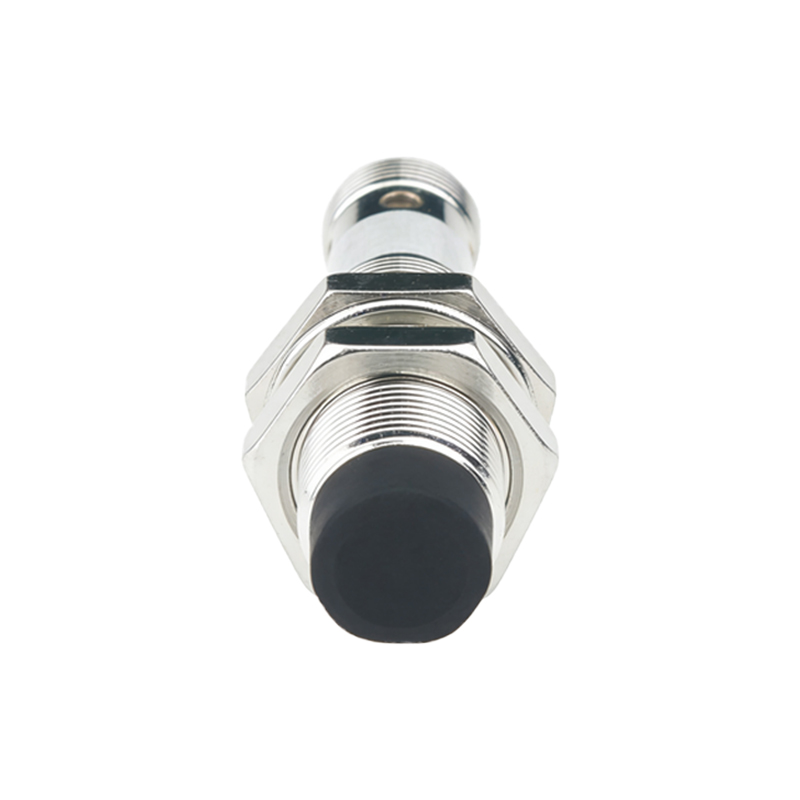
Capacitive miniature sensors, on the other hand, can detect both metallic and non-metallic materials—plastics, liquids, powders—by measuring changes in capacitance. This versatility makes them ideal for fill-level control in miniature pharmaceutical vials or detecting transparent films in packaging machinery. Their ability to sense through non-metallic barriers allows for innovative design solutions, keeping sensitive electronics safely enclosed.
Photoelectric proximity sensors, in their miniaturized form, use a light beam—typically infrared or laser. Through modulated light signals, they achieve high precision and long sensing distances relative to their size. These are pivotal in semiconductor manufacturing, where they detect wafers or components with micron-level accuracy, and in consumer electronics, enabling features like automatic screen dimming in smartphones.
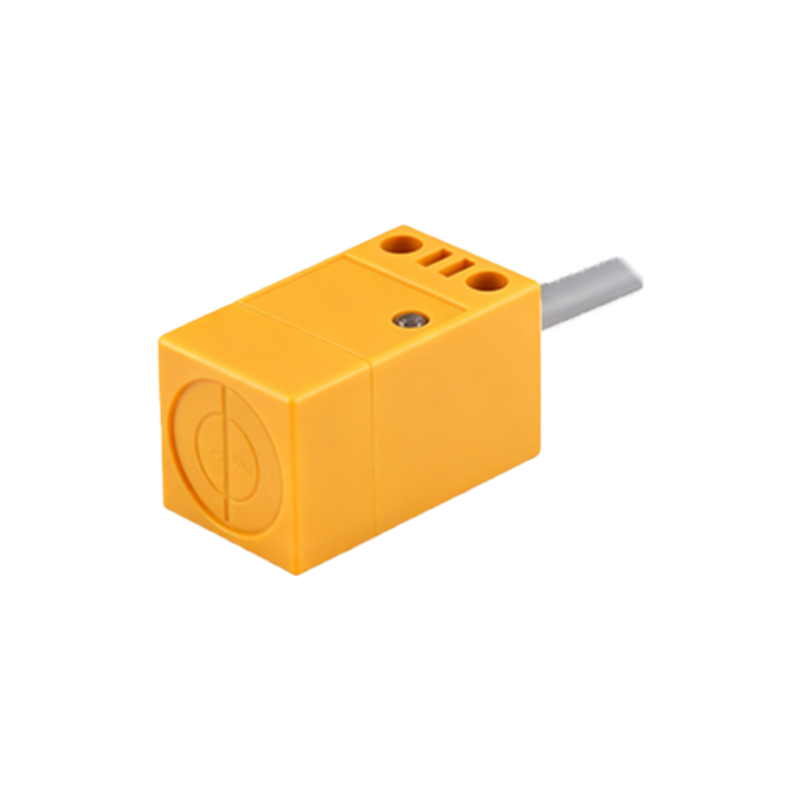
The engineering behind these micro-sensors is a marvel of miniaturization. Advances in micro-electro-mechanical systems (MEMS) and surface-mount technology (SMT) have allowed for dramatic reductions in size while boosting performance. Modern miniature proximity sensors integrate sophisticated ASICs (Application-Specific Integrated Circuits) that provide enhanced noise immunity, temperature stability, and programmable output logic. Designs now commonly feature M8 or even M5 threaded housings, with sensing distances tailored from a few millimeters to several centimeters.
Electrical characteristics are equally refined. Operating voltages typically range from 10-30V DC, with current outputs designed for direct interfacing with PLCs (Programmable Logic Controllers) or microcontrollers. Many models offer IO-Link digital communication, enabling real-time parameter adjustments and diagnostic data retrieval—a key feature for Industry 4.0 smart factories. This digital intelligence transforms simple sensors into valuable data points for predictive maintenance and process optimization.
Installation and environmental robustness are paramount. Despite their small stature, these sensors are built to withstand harsh conditions. High-grade stainless steel or PBT plastic housings provide resistance to chemicals, oils, and mechanical impact. Ingress Protection (IP) ratings often reach IP67 or higher, ensuring reliable operation in dusty or washdown environments. Proper mounting is crucial; engineers must account for mutual interference when multiple sensors are placed in close proximity, following manufacturer guidelines for lateral and axial spacing.
Looking ahead, the trajectory for miniature proximity sensors points toward even greater integration and intelligence. The convergence with IoT (Internet of Things) platforms is enabling decentralized decision-making at the edge of networks. Furthermore, the demand from emerging sectors—such as collaborative robotics, wearable medical devices, and autonomous micro-vehicles—continues to push the boundaries of what these tiny detectors can achieve. Their role is no longer just about detection; it's about providing precise, reliable data that forms the backbone of automated and intelligent systems.
In conclusion, miniature proximity sensors are fundamental enablers of modern industrial and technological advancement. Their evolution reflects a broader trend toward smarter, smaller, and more connected components. For engineers and system designers, understanding their operational principles, selection criteria, and application nuances is essential to harnessing their full potential in creating efficient, responsive, and innovative automated solutions.