Proximity magnetic sensors are indispensable components in modern industrial automation, robotics, and safety systems. These devices detect the presence or absence of a magnetic field, typically generated by a magnet or ferromagnetic object, without physical contact. Their non-contact nature ensures high reliability, long operational life, and minimal maintenance, making them ideal for harsh environments where dust, moisture, or extreme temperatures are present. This article explores the primary types of proximity magnetic sensors, their working principles, and key applications across various industries.
One of the most common types is the Hall Effect sensor. It operates based on the Hall Effect principle, where a voltage difference is generated across an electrical conductor when exposed to a perpendicular magnetic field. Hall Effect sensors are widely used for position sensing, speed detection in rotating machinery (e.g., in automotive crankshafts or wheel speed sensors), and current measurement. They offer excellent accuracy and can detect both static and dynamic magnetic fields, but may require signal conditioning for optimal performance.
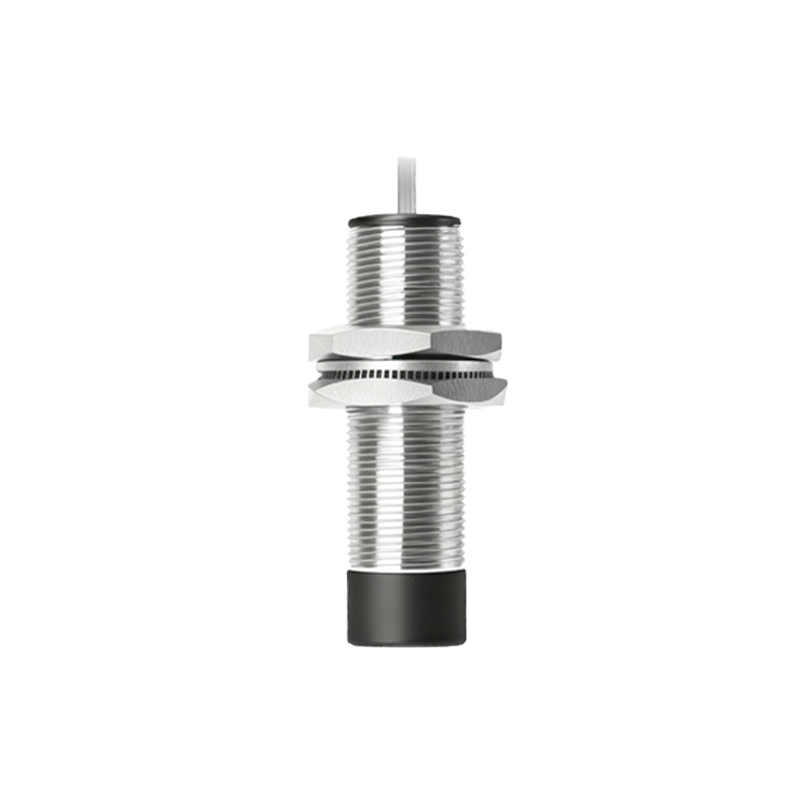
Another prominent category is the magnetoresistive (MR) sensor, which utilizes materials that change electrical resistance in response to a magnetic field. Variants include anisotropic magnetoresistance (AMR), giant magnetoresistance (GMR), and tunnel magnetoresistance (TMR) sensors. MR sensors provide high sensitivity and resolution, making them suitable for precise angular or linear position sensing, such as in automotive steering systems or industrial encoders. TMR sensors, in particular, offer superior signal-to-noise ratios and low power consumption, enabling their use in battery-powered devices.
Reed switches represent a simpler, cost-effective type of proximity magnetic sensor. They consist of two ferromagnetic reeds sealed within a glass tube, which close or open when a magnetic field is applied. Reed switches are often employed in safety interlocks, liquid level sensing, and proximity detection in consumer electronics. While durable, they may have limited switching speed and mechanical lifespan compared to solid-state alternatives.
For high-precision applications, fluxgate sensors are preferred. These sensors measure magnetic fields by using a saturable core and excitation coils, providing exceptional accuracy and stability. Fluxgate sensors are commonly found in navigation systems, geophysical exploration, and current monitoring where detecting weak magnetic fields is critical. However, they tend to be larger and more complex than other sensor types.
In recent years, advancements in microelectromechanical systems (MEMS) have led to the development of MEMS-based magnetic sensors. These compact, low-power devices integrate sensing elements with electronics on a single chip, enabling widespread use in smartphones, IoT devices, and medical equipment for orientation detection or gesture recognition.
Applications of proximity magnetic sensors span numerous sectors. In automotive industries, they enhance safety through anti-lock braking systems (ABS) and electric power steering. In manufacturing, they enable precise machine control and object counting on conveyor belts. Additionally, they play a vital role in renewable energy systems, such as wind turbine pitch control, and in aerospace for landing gear position sensing.
When selecting a proximity magnetic sensor, engineers must consider factors like sensing range, environmental robustness, output type (digital or analog), and cost. As technology evolves, trends toward miniaturization, increased intelligence (e.g., integrated diagnostics), and wireless connectivity are shaping the next generation of these sensors, driving efficiency and innovation across global industries.