Magnetic proximity sensors are essential components in industrial automation, automotive systems, and security applications. These devices detect the presence or absence of a magnetic field, triggering switches or sending signals to control systems. Over time, sensors may fail due to environmental factors, mechanical damage, or electrical issues. Understanding common failure modes and repair techniques can save costs and reduce downtime.
The first step in repairing a magnetic proximity sensor is accurate diagnosis. Begin by checking the power supply. Ensure the sensor receives the correct voltage as specified by the manufacturer. Use a multimeter to measure voltage at the sensor terminals. If power is absent, inspect wiring, connectors, and fuses for damage or corrosion. Loose connections are a frequent cause of malfunction. Tighten terminals and clean contacts with electrical contact cleaner.
Next, test the sensor's output. For a digital sensor, observe the output LED if present, or use a multimeter to check for signal changes when a magnet is brought near the sensing face. No change indicates a potential sensor failure. For analog sensors, measure output current or voltage variations. Compare readings with datasheet specifications. Deviations suggest internal component issues.
Environmental damage is a common culprit. Sensors exposed to moisture, dust, or extreme temperatures may suffer. Inspect the housing for cracks or seal degradation. If moisture ingress is suspected, dry the sensor thoroughly using compressed air or a desiccant. However, note that many industrial sensors are sealed; opening them may void warranties or cause further damage. In such cases, replacement might be more economical.
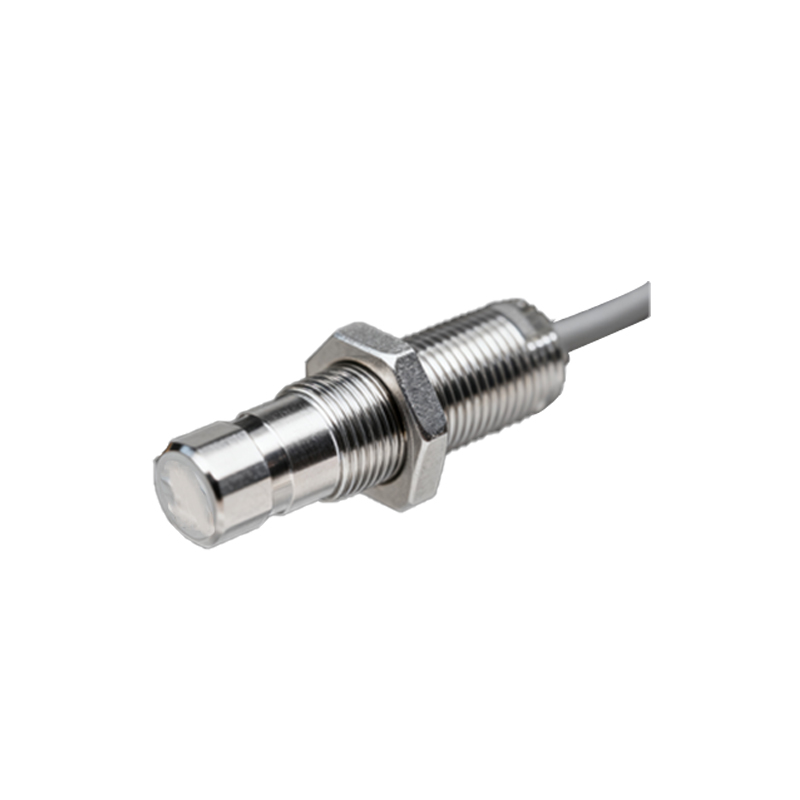
Internal component failures involve the sensing coil, Hall effect chip, or amplifier circuit. With proper tools, you can sometimes replace these. For inductive magnetic sensors, check the coil for open or short circuits using an ohmmeter. Resistance should match datasheet values. A broken coil often requires sensor replacement, as rewinding is impractical. For Hall-effect sensors, test the output pin while applying a magnetic field. If dead, the IC may need replacement. Desolder the faulty chip and install a new one, ensuring correct orientation.
Mechanical issues include misalignment or damaged sensing faces. Ensure the sensor and target magnet are correctly positioned within the sensing range. Clean the sensing face from metal debris or buildup, which can interfere with magnetic fields. Adjust mounting brackets if necessary.
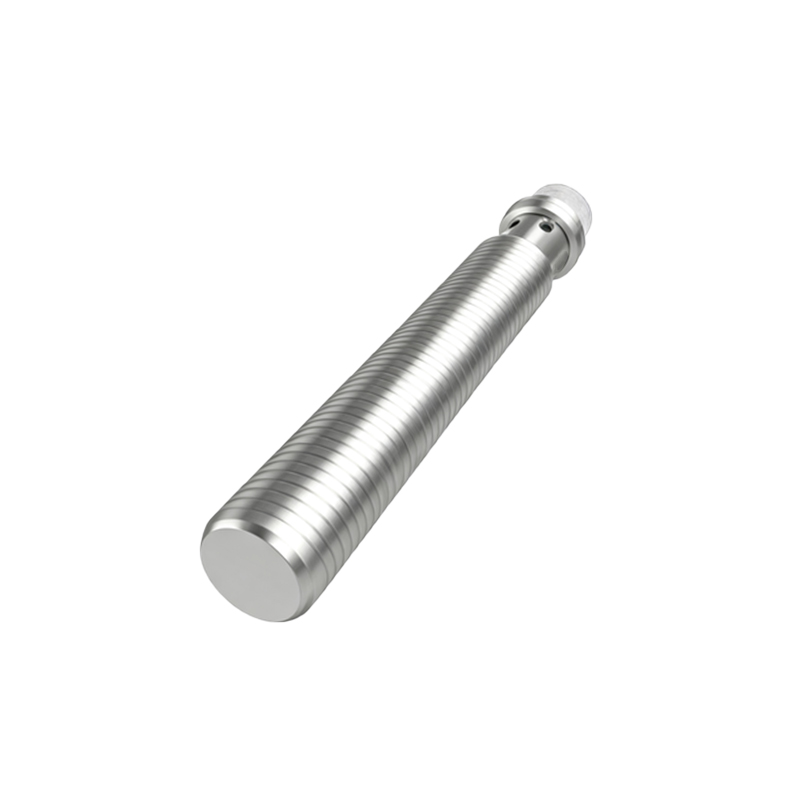
After repairs, recalibrate the sensor if applicable. Some sensors require adjustment of sensitivity or hysteresis. Refer to the manual for calibration procedures. Finally, conduct a functional test in the actual operating environment to ensure reliability.
Preventive maintenance can extend sensor life. Regularly inspect installations, protect sensors from physical impacts, and use appropriate enclosures for harsh conditions. Keep connectors clean and secure.
While repair is feasible for minor issues, complex integrated sensors may be cost-prohibitive to fix. Weigh repair time and parts cost against a new unit. Always prioritize safety: disconnect power before working and follow lockout-tagout procedures in industrial settings.