Calibration of laser methane sensors is a critical process that ensures accurate and reliable detection of methane concentrations in various applications, including industrial safety, environmental monitoring, and leak detection. The calibration basis for these sensors relies on established standards, technical principles, and practical methodologies to maintain their performance over time. This article explores the key aspects of laser methane sensor calibration, focusing on the underlying principles, reference standards, and best practices for effective implementation.
Laser methane sensors operate based on tunable diode laser absorption spectroscopy (TDLAS), a technique that measures methane concentration by analyzing the absorption of laser light at specific wavelengths. Methane molecules absorb infrared light at characteristic frequencies, and the sensor detects the attenuation of the laser beam as it passes through a gas sample. The accuracy of this measurement depends on precise calibration, which aligns the sensor's output with known reference values. Without proper calibration, sensors may produce false readings, leading to safety risks or regulatory non-compliance.
The primary calibration basis for laser methane sensors involves traceable standards and certified reference materials. These standards are typically established by national or international bodies, such as the International Organization for Standardization (ISO), the National Institute of Standards and Technology (NIST), or the European Committee for Standardization (CEN). For methane detection, calibration often uses certified gas mixtures with precisely known methane concentrations in a balance gas, such as nitrogen or air. These mixtures serve as reference points to adjust the sensor's response curve, ensuring it accurately reflects real-world conditions.
In practice, calibration procedures follow specific protocols outlined in standards like ISO 6142 for gas mixture preparation or ISO 14956 for performance evaluation of gas analyzers. The process generally includes zero-point calibration and span calibration. Zero-point calibration involves exposing the sensor to a methane-free environment to set a baseline, while span calibration uses a reference gas with a known methane concentration to calibrate the sensor's full-scale range. Regular calibration checks are essential, as factors like sensor drift, environmental changes, or component aging can affect accuracy over time.
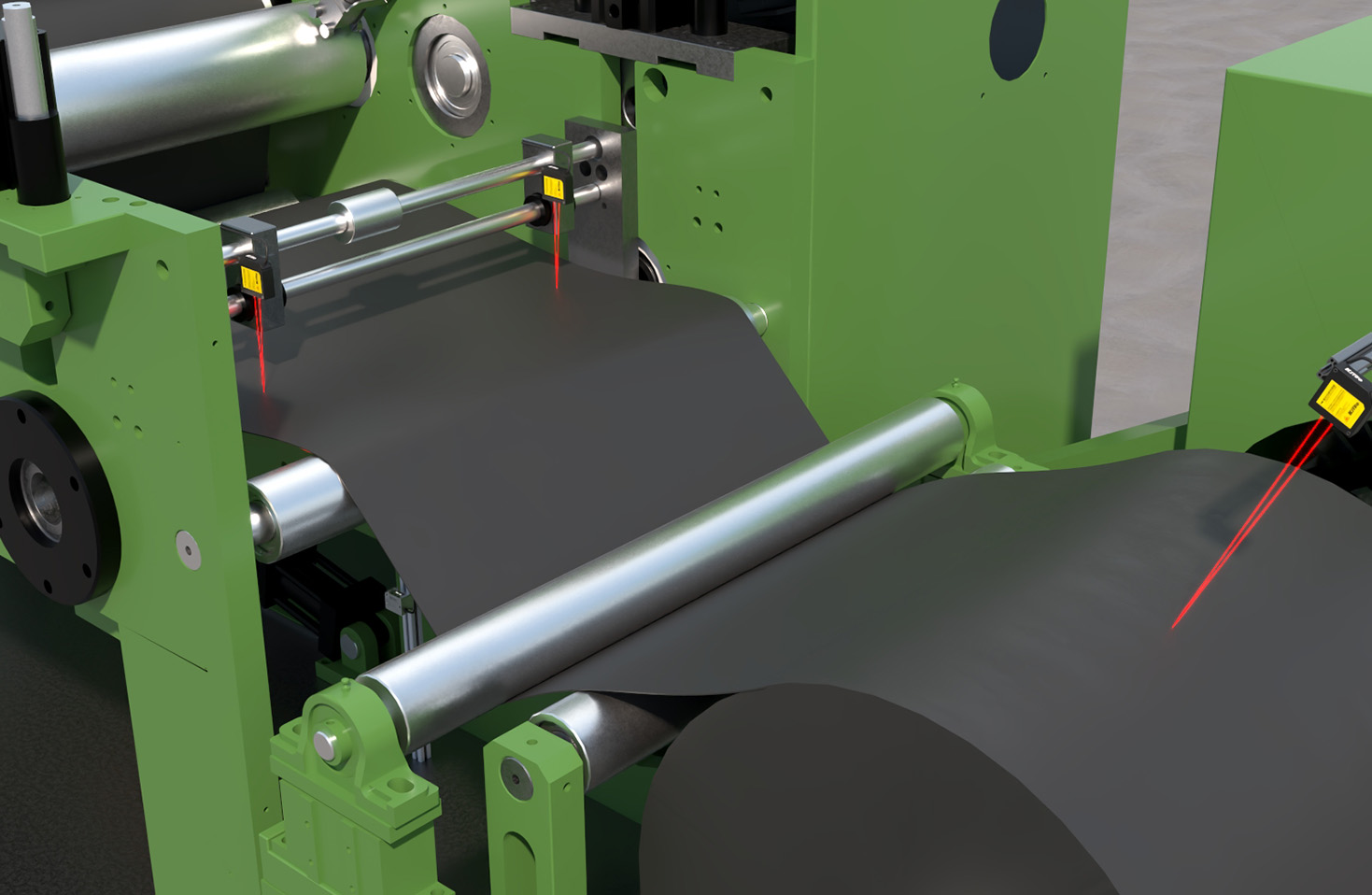
Environmental conditions play a significant role in the calibration basis for laser methane sensors. Temperature, pressure, and humidity can influence the absorption characteristics of methane and the sensor's performance. Calibration protocols often account for these variables by conducting tests under controlled conditions or applying correction factors based on empirical data. For instance, sensors may be calibrated at standard temperature and pressure (STP) to ensure consistency across different settings. Additionally, field calibration kits allow for on-site adjustments, enhancing practicality in remote or industrial locations.

The calibration basis also extends to validation and verification processes. After calibration, sensors undergo performance tests to confirm their accuracy, precision, and detection limits. This may involve comparing sensor readings against reference instruments or using test gases with varying concentrations. Documentation of calibration results, including certificates and logs, is crucial for audit trails and regulatory compliance, particularly in industries like oil and gas, where safety standards are stringent.
Emerging trends in laser methane sensor calibration include the use of advanced technologies like machine learning for predictive maintenance and automated calibration systems. These innovations aim to reduce human error and improve efficiency. However, the core calibration basis remains rooted in scientific principles and standardized methods to ensure reliability.
In summary, the calibration basis for laser methane sensors is built on a foundation of technical standards, certified references, and systematic procedures. By adhering to these guidelines, users can maintain sensor accuracy, enhance safety, and meet regulatory requirements. Regular calibration, combined with an understanding of environmental factors and validation practices, is key to optimizing sensor performance in diverse applications.