In the world of industrial automation and electrical engineering, terminology can sometimes lead to confusion. A common question that arises is: "Is a proximity switch a sensor?" The short answer is yes, but the complete explanation requires a deeper dive into definitions, functionalities, and technical nuances. This article aims to clarify the relationship and distinctions between these two fundamental components.
Fundamentally, a sensor is a broad category of devices that detect or measure a physical property and record, indicate, or otherwise respond to it. Sensors convert a physical phenomenon—such as light, heat, motion, pressure, or the presence of an object—into an electrical signal that can be interpreted by a control system. Examples are vast, including temperature sensors, pressure transducers, photoelectric cells, and accelerometers.
A proximity switch, specifically, is a type of sensor. Its defining function is to detect the presence or absence of a nearby object without any physical contact. It does this by emitting an electromagnetic field, a beam of electromagnetic radiation (like infrared light), or using ultrasonic sound waves. When a target object enters this field, it causes a change in the signal, which the switch's circuitry converts into a discrete electrical on/off signal. This binary output (typically a change in voltage or current state) is its key characteristic as a "switch."
Therefore, all proximity switches are sensors, but not all sensors are proximity switches. The term "proximity switch" emphasizes its operational mode (non-contact detection) and its output type (a switching action). It is a subset of position or presence sensors designed for discrete event detection—object is present or object is absent.
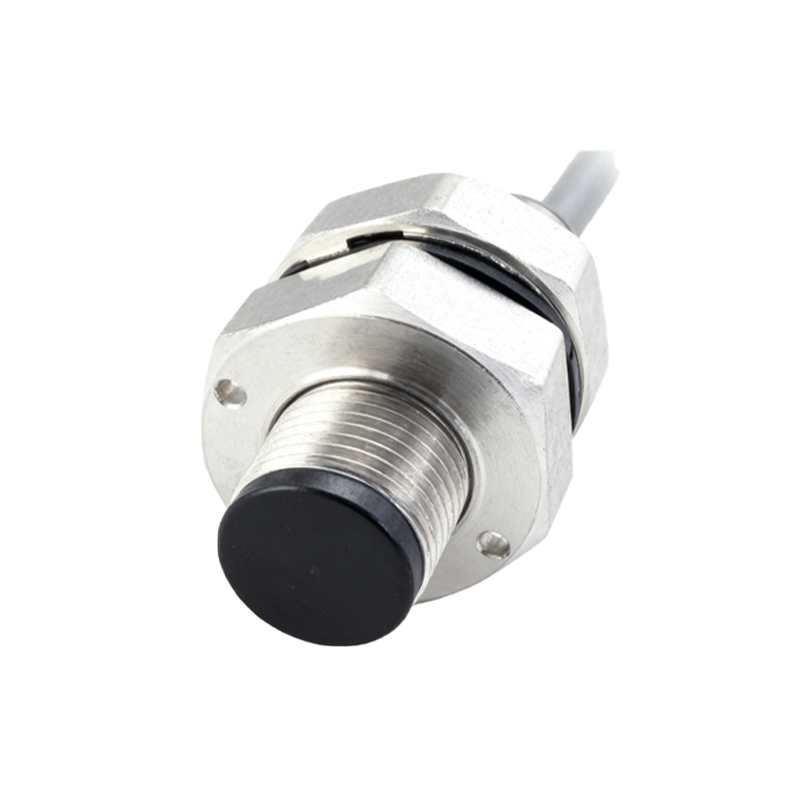
Let's explore the primary types of proximity switches, which further solidify their identity as sensors:
1. Inductive Proximity Sensors: These detect metallic objects (primarily ferrous metals like steel and iron) by generating an oscillating electromagnetic field. When a metal object enters this field, it induces eddy currents, causing a change in oscillation amplitude that triggers the switch. They are robust, reliable, and widely used in machine automation for counting, positioning, or speed monitoring of metal parts.
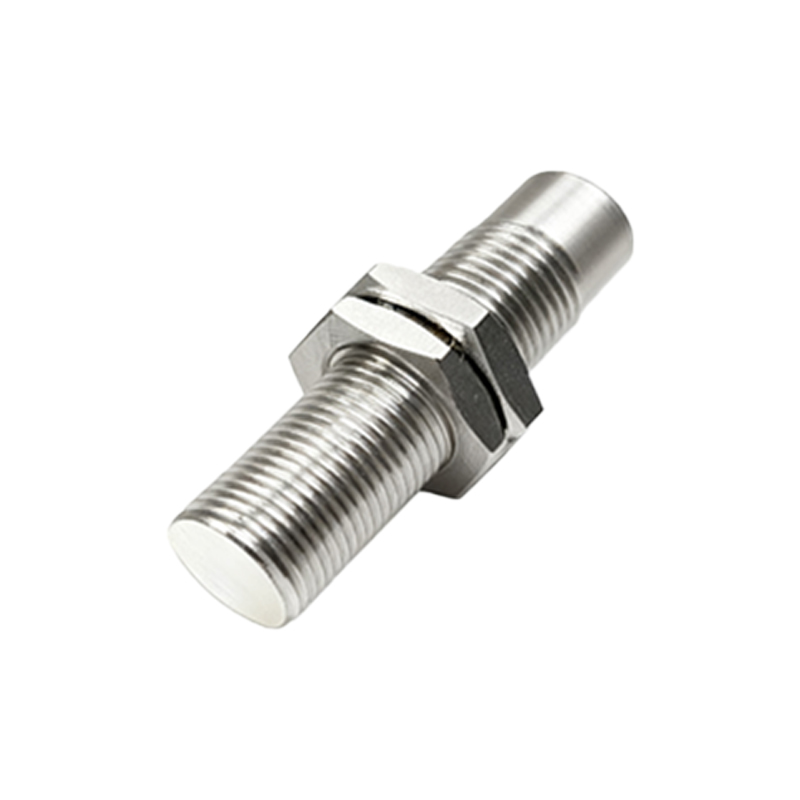
2. Capacitive Proximity Sensors: These can detect both metallic and non-metallic objects (plastics, wood, liquids, granules) by measuring changes in capacitance. The sensor forms one plate of a capacitor, the target object forms the other (or alters the dielectric constant), and the presence of the object changes the capacitance, triggering the switch. They are ideal for level detection, material handling, and detecting non-metallic materials.
3. Photoelectric Sensors: These use light beams (visible, infrared, or laser) to detect objects. The presence of an object interrupts or reflects the light beam, which is detected by a receiver, causing the output to switch. While often called "photoelectric sensors" or "photoeyes," they perform the exact proximity switching function and are a critical sub-category.
4. Ultrasonic Proximity Sensors: These measure the time it takes for a sound wave to reflect back from an object. They can detect objects of almost any material and are effective in challenging environments with dust, smoke, or varying colors.
The output of a standard proximity switch is digital—a simple high/low signal used to control relays, PLC inputs, or indicator lights. This is a key differentiator from many other sensors that provide analog outputs (a continuous range, like 4-20mA or 0-10V) representing a measured value, such as a precise distance or temperature. However, modern devices blur this line. Many "proximity sensors" now offer both analog and digital outputs, providing not just presence/absence data but also information on the relative distance to the target.
In practical application within control panels and machinery, the proximity switch acts as the critical "eyes" of the system. It provides the essential input signal that tells a programmable logic controller (PLC) or other controller: "A part has arrived at Station A," or "The door is closed," or "The tank level is low." This input triggers pre-programmed logical sequences—starting a motor, activating a solenoid, or incrementing a counter.
Selection criteria further highlight its sensory role. Choosing the right proximity switch involves considering the sensed object's material, size, and required sensing distance (the rated operating distance). Environmental factors like temperature, humidity, and potential exposure to chemicals or washdowns are also critical, just as they are for any sensor. Electrical characteristics such as output type (NPN/PNP, NO/NC), supply voltage, and current rating must match the control system's requirements.
In conclusion, referring to a proximity switch as a sensor is not only correct but is technically precise. It is a specialized, non-contact sensor designed for discrete object detection with