In the realm of industrial automation and material handling, monorail hoist systems, often colloquially referred to as "monorail hoists" or in some contexts "monorail monkey cars," play a pivotal role in transporting materials across manufacturing facilities, warehouses, and assembly lines. The integration of proximity switch sensors into these systems represents a critical advancement, significantly boosting operational safety, precision, and overall efficiency. This article delves into the application, benefits, and selection criteria of proximity sensors within these dynamic environments.
Proximity switches are non-contact sensors that detect the presence or absence of metallic objects within their sensing range. Unlike mechanical limit switches, they have no moving parts to wear out, making them exceptionally reliable in harsh industrial settings characterized by dust, moisture, and constant vibration—common conditions for monorail hoist operations. In a typical monorail system, these sensors are strategically deployed for several key functions.
Primary applications include precise positioning and end-limit detection. As a hoist trolley moves along its rail, inductive proximity sensors can be installed at specific points to signal its exact location. This allows for automated stopping at loading/unloading stations or at the physical limits of the track, preventing collisions and over-travel. Furthermore, they are integral to safety interlocking. Sensors can verify that a load is securely attached or that a safety gate is closed before the hoist is permitted to move, thereby mitigating risks of load drops or personnel injury.
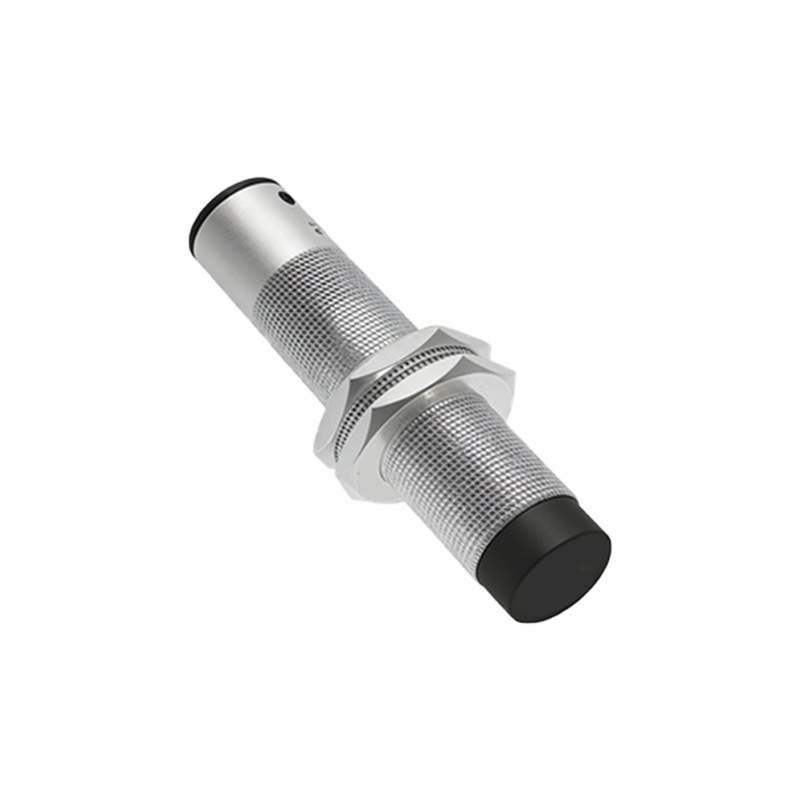
Another crucial role is in speed monitoring and anti-sway control. By placing multiple sensors along the path, the system can calculate the hoist's speed. This data is vital for controlling acceleration and deceleration profiles smoothly, minimizing load swing—a major concern for both safety and precise placement of delicate goods. The non-contact nature of proximity switches ensures this monitoring occurs without physical interference, maintaining uninterrupted operation.
The benefits of employing proximity switch sensors in monorail hoists are substantial. Firstly, they enhance safety dramatically. By providing reliable, real-time feedback on the hoist's position and status, they form the backbone of automated safety circuits, reducing dependency on manual oversight and preventing accidents. Secondly, they increase system uptime and longevity. With no mechanical contact, there is minimal wear, leading to lower maintenance costs and fewer unplanned shutdowns. Thirdly, they enable higher precision and repeatability in automated processes, which is essential for Just-In-Time manufacturing and complex assembly tasks.
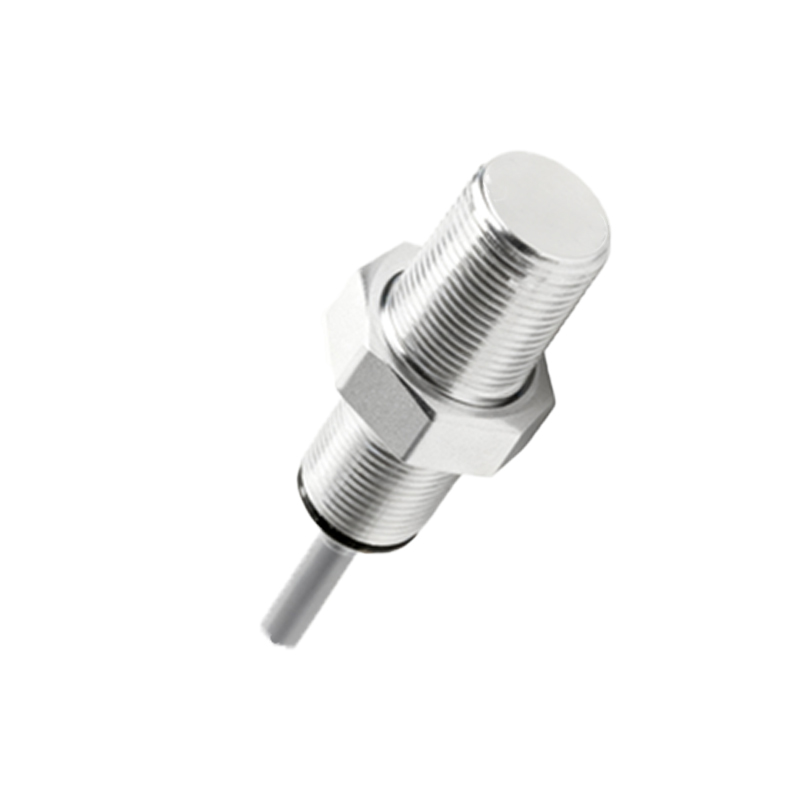
Selecting the right proximity sensor requires careful consideration of several technical parameters. The sensing range must be appropriate for the application, considering the distance to the target—usually the metallic part of the hoist trolley. Environmental factors are paramount; sensors should have an adequate Ingress Protection (IP) rating (e.g., IP67) to withstand dust and water jets. The housing material, typically nickel-plated brass or stainless steel, must resist corrosion. Electrical output type (e.g., NPN or PNP, NO or NC) must be compatible with the hoist's programmable logic controller (PLC). Additionally, factors like operating temperature range, resistance to electrical noise, and response time must align with the specific operational demands of the monorail system.
Installation and alignment are also critical for optimal performance. Sensors must be securely mounted to avoid vibration-induced misalignment. Shielding considerations are important; shielded (flush-mountable) sensors are preferred when mounted in metal to prevent interference from the surrounding material, while unshielded types offer longer sensing ranges. Regular functional checks should be part of the preventive maintenance schedule to ensure continued reliability.
In conclusion, the integration of proximity switch sensors transforms monorail hoist systems from simple transport mechanisms into intelligent, safe, and highly efficient components of modern industry. Their ability to provide accurate, non-contact detection under tough conditions makes them indispensable. As automation trends continue to evolve, the role of these robust sensors will only expand, driving further improvements in productivity and workplace safety. Engineers and maintenance personnel must therefore possess a solid understanding of their functionality and selection criteria to fully leverage their potential in optimizing monorail hoist operations.