In the realm of industrial automation and control systems, the reliability and precision of sensing technology are paramount. Among the myriad of components that form the backbone of modern machinery, proximity sensors stand out for their critical role in non-contact detection. The D45127 model represents a specific class of these devices, engineered to meet rigorous industrial demands. This article delves into the technical specifications, operational principles, and practical applications of the D45127 proximity sensor, providing a detailed overview for engineers and technicians.
Proximity sensors, by design, detect the presence or absence of an object within a specified range without physical contact. The D45127 is typically an inductive proximity sensor. This type operates on the principle of electromagnetic induction. It generates an oscillating electromagnetic field from its sensing face. When a metallic object enters this field, eddy currents are induced on the object's surface. This causes a change in the oscillation amplitude within the sensor's internal LC circuit. The sensor's electronics detect this change and trigger a switching signal—either turning on or off—which is then sent to the connected controller, such as a PLC (Programmable Logic Controller).
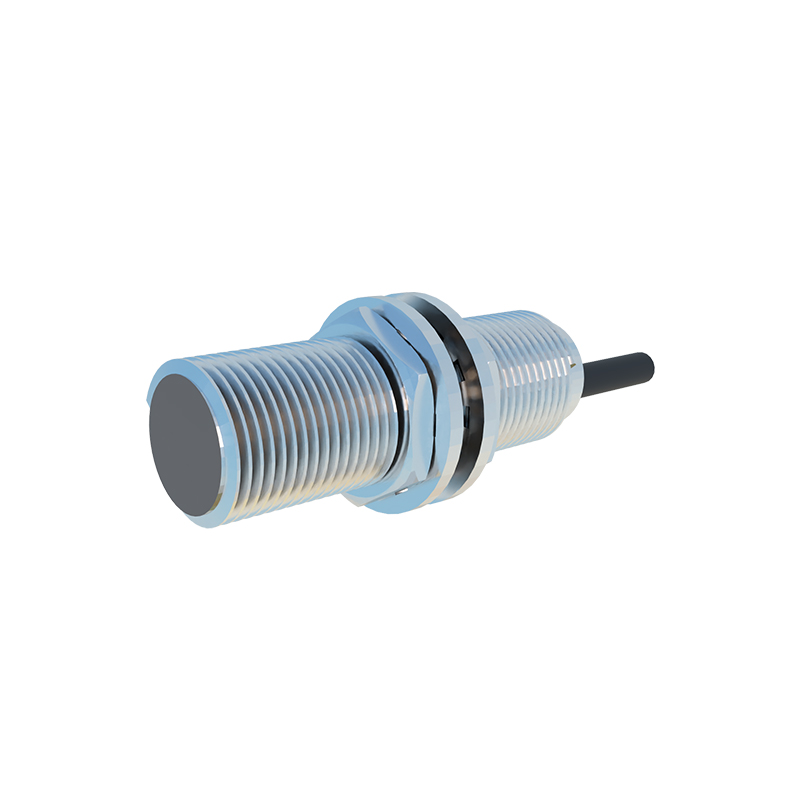
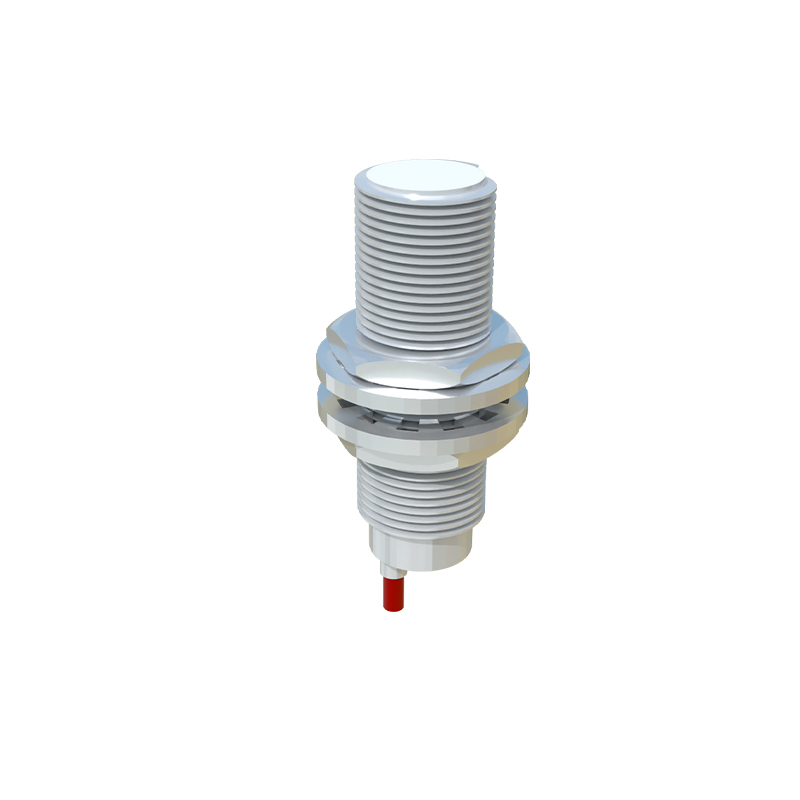
The D45127 is characterized by several key specifications that define its performance envelope. First is its sensing range, which is precisely calibrated, often in the millimeter scale (e.g., 5mm, 8mm, or 10mm). This defines the maximum distance at which it can reliably detect a standard target. The sensor is designed to be shielded or unshielded; a shielded type allows for flush mounting in metal without affecting its sensing field, while an unshielded type offers a slightly longer sensing range but requires non-metallic surroundings. The output configuration is another critical aspect. The D45127 commonly features a DC 3-wire design, providing either a PNP (sourcing) or NPN (sinking) transistor output, compatible with most industrial control voltages like 10-30V DC. Its housing is robust, typically crafted from nickel-plated brass or stainless steel, with a high IP (Ingress Protection) rating such as IP67, ensuring resistance to dust, oils, and temporary immersion in water—a necessity in harsh factory environments.
Installation and wiring are straightforward but require attention to detail. For the 3-wire DC version, the standard wire color coding is: brown for positive supply (+V), blue for negative/common (0V), and black for the output signal. It is crucial to connect a load (e.g., a PLC input, relay, or indicator lamp) between the output wire and the opposite supply rail, depending on whether it's PNP or NPN. Always refer to the manufacturer's datasheet for the specific D45127 variant. Environmental factors must be considered: avoid mounting the sensor directly opposite another sensor of the same type to prevent mutual interference. Ensure the target object is within the specified material (usually ferrous or non-ferrous metals) and size. Regular maintenance involves checking for physical damage, buildup of metallic swarf or contaminants on the sensing face, and verifying the output signal with a multimeter or PLC diagnostics.
The applications for the D45127 proximity sensor are extensive across various industries. In automotive manufacturing, they are used for part presence verification on assembly lines, counting components, or detecting the end-of-travel position of robotic arms. In packaging machinery, they ensure correct positioning of products or detect jam conditions. In material handling, they monitor the position of pallets on conveyors or act as limit switches for automated guided vehicles (AGVs). Their non-contact nature makes them ideal for high-speed counting and positioning tasks where mechanical wear from contact-based switches (like limit switches) would be a significant drawback.
When selecting a sensor like the D45127 for a project, engineers must cross-reference application requirements with sensor specs. Key selection criteria include: required sensing distance, target material and size, output type (PNP/NPN) matching the control system, operating voltage, response frequency (how fast it can detect objects passing by), temperature rating, and housing material for chemical or mechanical resilience. It is also advisable to consider environmental challenges such as strong electromagnetic interference, welding sparks, or extreme temperatures, which might necessitate sensors with specialized coatings or enhanced shielding.
In conclusion, the D45127 proximity sensor exemplifies the integration of robust engineering and precise electronic detection. Its design prioritizes durability, accuracy, and seamless integration into complex control systems. For any professional involved in machine design, maintenance, or automation, a thorough understanding of such components is not just beneficial—it is essential for ensuring operational efficiency, safety, and system longevity. By adhering to proper selection, installation, and maintenance practices, the D45127 can provide years of reliable service, forming an invisible yet indispensable link in the chain of industrial automation.