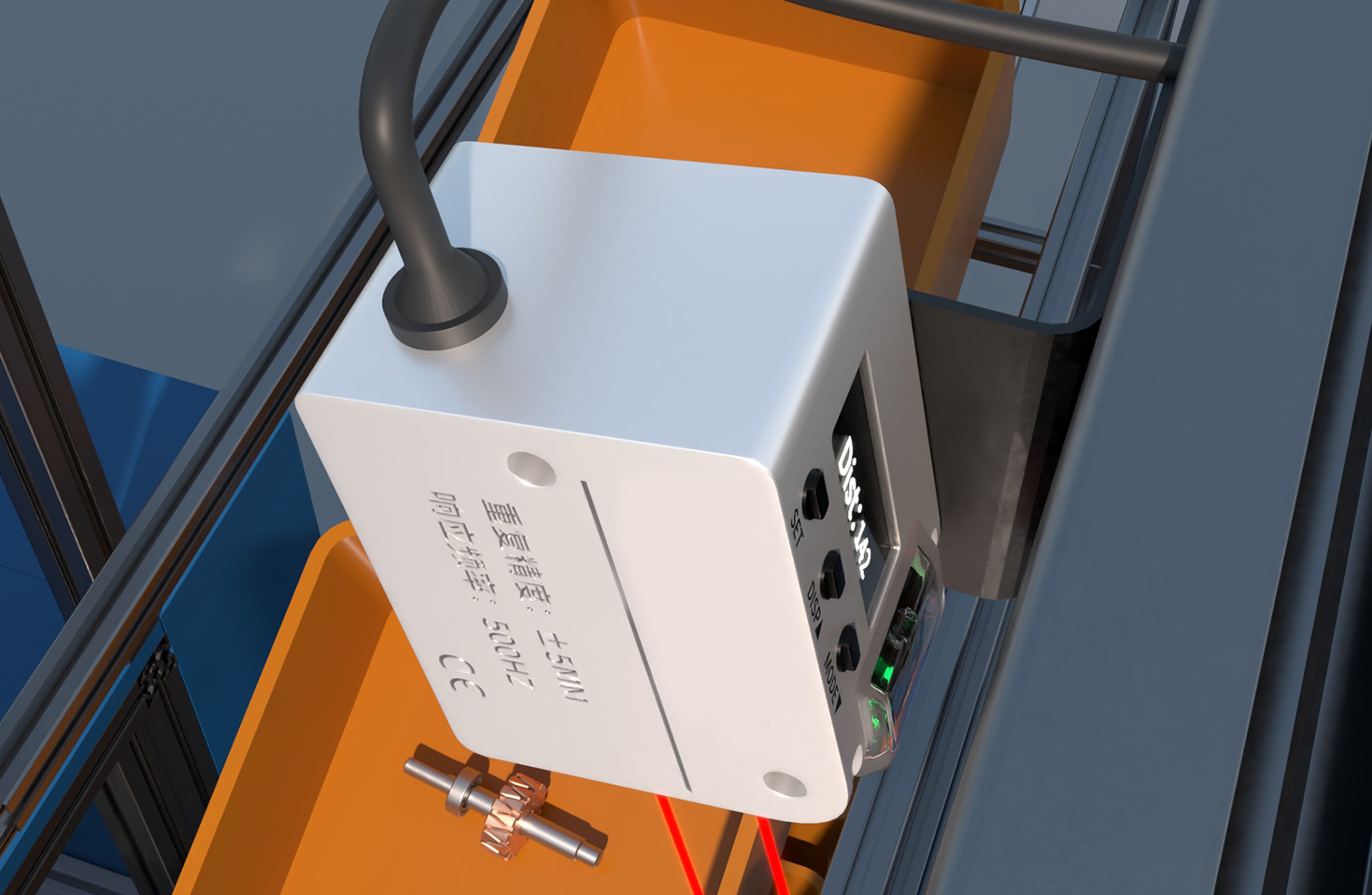
Methane gas laser sensors represent a critical frontier in industrial safety and environmental monitoring technology. Operating on the principle of Tunable Diode Laser Absorption Spectroscopy (TDLAS), these sensors offer unparalleled precision in detecting methane concentrations, a necessity in sectors like oil and gas, mining, and wastewater management. The core mechanism involves emitting a laser beam at a specific wavelength that methane molecules absorb. By measuring the attenuation of the laser light as it passes through a gas sample, the sensor calculates methane concentration with high accuracy, often in parts-per-million (ppm) or even parts-per-billion (ppb) ranges. This method stands out for its selectivity, as it targets methane's unique absorption lines, minimizing false positives from other gases.
The advantages of methane laser sensors over traditional catalytic bead or electrochemical sensors are substantial. They provide non-contact measurement, allowing for remote sensing over distances, which enhances safety by keeping personnel away from potentially hazardous areas. Their response time is remarkably fast, enabling real-time monitoring and rapid leak detection. Furthermore, they require minimal maintenance, as they have no consumable parts and are less prone to poisoning or drift compared to conventional sensors. This reliability translates into reduced operational downtime and cost savings over the sensor's lifecycle.
In practical applications, these sensors are deployed across diverse scenarios. In upstream oil and gas operations, they monitor wellheads, pipelines, and storage facilities for fugitive emissions, aiding in regulatory compliance and preventing catastrophic incidents. Landfill sites utilize them to track methane generation from decomposing waste, supporting both safety protocols and biogas recovery initiatives. In coal mines, they serve as an early warning system against explosive gas accumulations. The integration of these sensors with IoT platforms and data analytics has further revolutionized monitoring, enabling predictive maintenance and centralized control from remote locations.
Recent technological advancements have focused on enhancing portability, sensitivity, and connectivity. Developments in quantum cascade lasers and integrated photonics have led to more compact, robust, and energy-efficient designs. These innovations facilitate deployment on drones or autonomous robots for aerial or mobile surveillance of large, inaccessible areas. Additionally, the advent of open-path sensors, which measure methane over long atmospheric paths, has expanded capabilities for perimeter monitoring and emissions quantification.
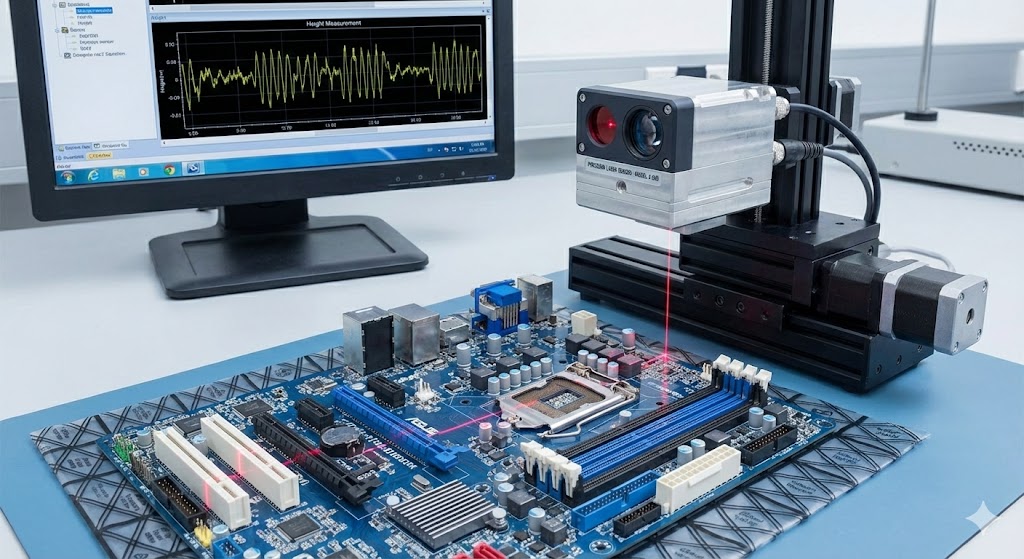
Despite their sophistication, challenges persist, such as high initial costs and sensitivity to environmental factors like humidity or particulate matter. However, ongoing research into multi-gas detection algorithms and environmental compensation techniques continues to mitigate these issues. As global emphasis on methane reduction intensifies due to its high global warming potential, the role of laser sensors is becoming indispensable. They not only safeguard human lives and assets but also contribute to climate goals by enabling precise emissions tracking and reduction strategies. The future likely holds wider adoption, driven by stricter regulations, technological cost reductions, and the growing integration of artificial intelligence for smarter, autonomous monitoring networks.
In conclusion, methane gas laser sensors are transformative tools that blend cutting-edge optics with practical engineering. Their ability to deliver accurate, real-time data makes them a cornerstone of modern industrial safety and environmental stewardship, poised to evolve further as technology advances.