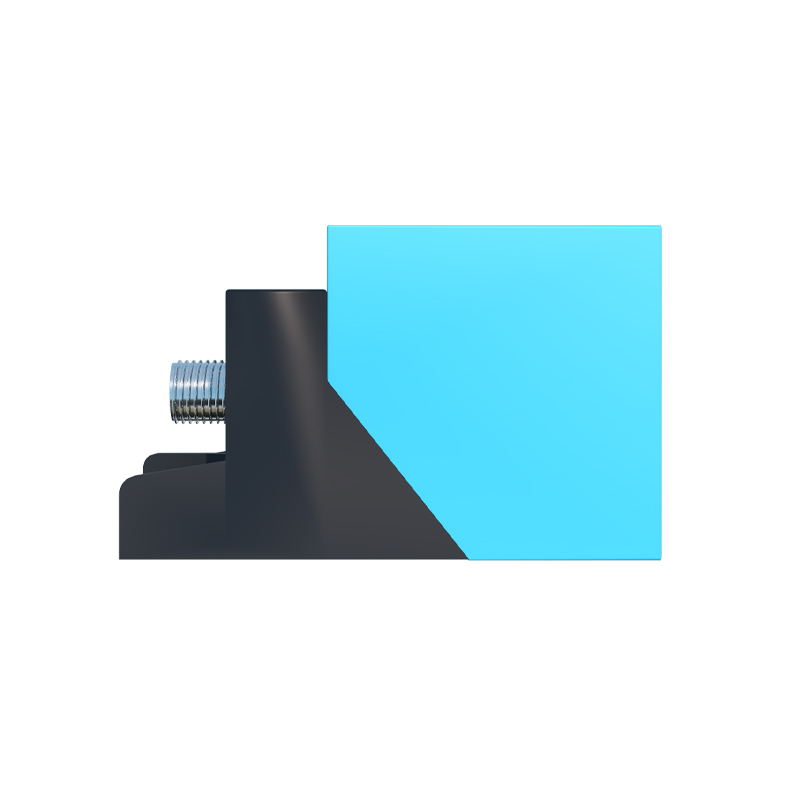
Proximity sensors have become an indispensable component in the technological landscape, silently enabling functionality across a vast array of devices and industries. These sensors detect the presence or absence of an object within a specific range without any physical contact, utilizing various principles like electromagnetic fields, infrared light, or capacitive sensing. Their application extends far beyond the simple act of detection, forming the backbone of automation, safety, and user interface design.
In the realm of consumer electronics, proximity sensors are ubiquitous. The most common example is in smartphones and tablets, where a sensor detects when the device is held close to the user's ear during a call. This triggers the screen to turn off, preventing accidental touch inputs and conserving battery power. Similarly, laptops use these sensors to detect when the lid is closed, initiating sleep mode. Beyond power management, they enable features like automatic screen rotation and gesture-based controls in some devices, creating a more intuitive and seamless user experience.
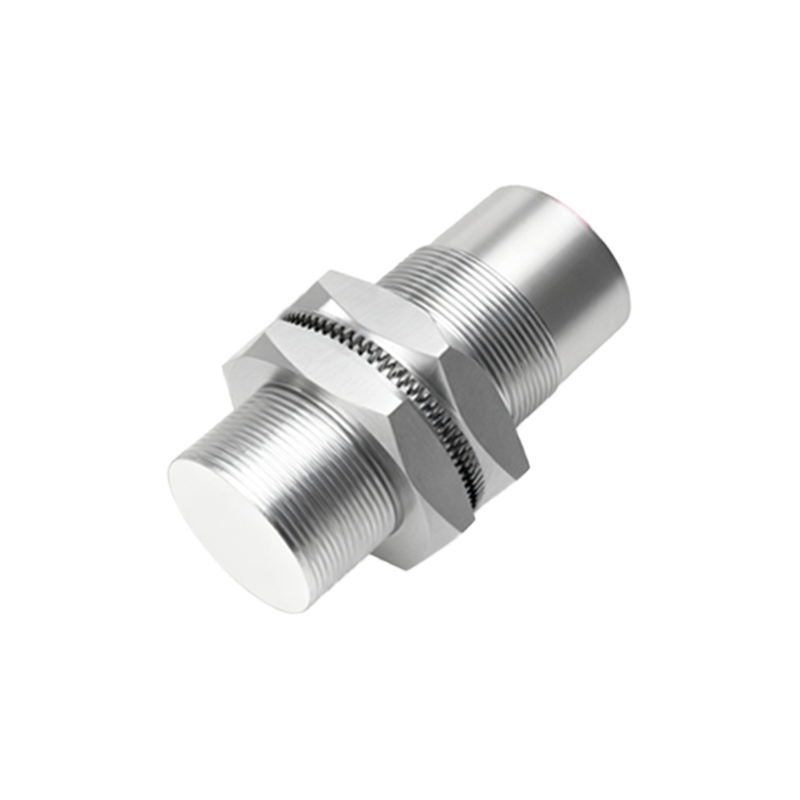
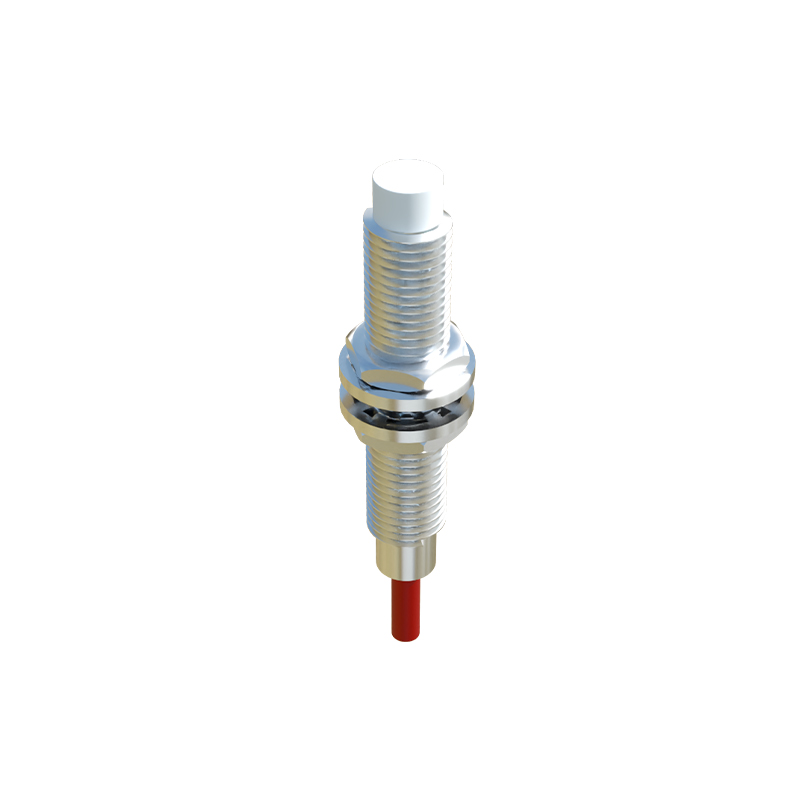
The industrial sector heavily relies on proximity sensors for automation and precision. In manufacturing assembly lines, inductive or capacitive sensors are used for precise object counting, positioning, and jam detection. They ensure robotic arms accurately pick and place components, verify the presence of parts before a machining operation, and monitor the fill levels in tanks or silos. Their robustness, speed, and reliability in harsh environments—resistant to dust, oil, and vibrations—make them critical for maintaining efficiency, reducing waste, and enhancing safety by ensuring machinery operates only when components are correctly aligned.
Automotive technology integrates proximity sensors for both safety and convenience. Parking assistance systems, or parking sensors, use ultrasonic sensors to measure the distance to obstacles, providing audible or visual warnings to the driver and preventing collisions. Advanced Driver-Assistance Systems (ADAS) employ radar and LiDAR sensors, which are sophisticated forms of proximity detection, for adaptive cruise control, blind-spot monitoring, and automatic emergency braking. Inside the vehicle, capacitive proximity sensors can detect a hand approaching the infotainment system, activating the display or context-sensitive controls before physical contact is made.
In the domain of security and access control, proximity sensors play a vital role. Motion-activated lighting systems, often using passive infrared (PIR) sensors, enhance security and energy efficiency in homes and commercial buildings. Automatic doors in supermarkets, airports, and hospitals use sensors to detect approaching individuals, facilitating smooth access. Furthermore, touchless faucets and soap dispensers in public restrooms, which became particularly significant for hygiene, operate using infrared proximity sensors to activate water flow, promoting sanitation and conservation.
Emerging and specialized applications continue to expand the boundaries of proximity sensing. In robotics, sensors help drones maintain safe distances from obstacles for autonomous navigation. In the medical field, they are used in equipment for non-contact patient monitoring and in automated dispensing systems. Retail environments are experimenting with sensor arrays to analyze customer movement and engagement with products. Even simple household appliances like vacuum robots use proximity and cliff sensors to navigate and avoid falls.
The evolution of proximity sensor technology, with trends toward miniaturization, increased accuracy, lower power consumption, and smarter integrated processing, promises even wider adoption. From making our personal devices smarter and our factories more efficient to keeping our vehicles safer and our public spaces more hygienic, proximity sensors are a foundational technology. Their ability to provide reliable, non-contact detection makes them a silent yet powerful force driving innovation and automation across virtually every modern industry, seamlessly bridging the physical and digital worlds.