In the realm of industrial automation, proximity sensors stand as critical components for non-contact object detection. Among the various form factors available, the M30 inductive proximity sensor has established itself as a workhorse in countless applications. Characterized by its robust 30mm diameter cylindrical housing, this sensor type offers a reliable and durable solution for harsh manufacturing environments. Its widespread adoption is driven by a combination of standardized dimensions, proven performance, and versatility.
The fundamental operating principle of an M30 inductive proximity sensor is based on electromagnetic induction. The sensor generates an oscillating electromagnetic field from its sensing face. When a metallic target, typically ferrous metals like steel or iron, enters this detection field, it causes eddy currents to form on the target's surface. This results in a dampening or loading of the sensor's oscillator circuit. The sensor's internal circuitry detects this change and triggers a solid-state output switch, sending a signal to a programmable logic controller (PLC) or other control system. It is crucial to note that standard inductive sensors are designed specifically for metal detection and are not suitable for non-metallic materials like plastic, wood, or glass.
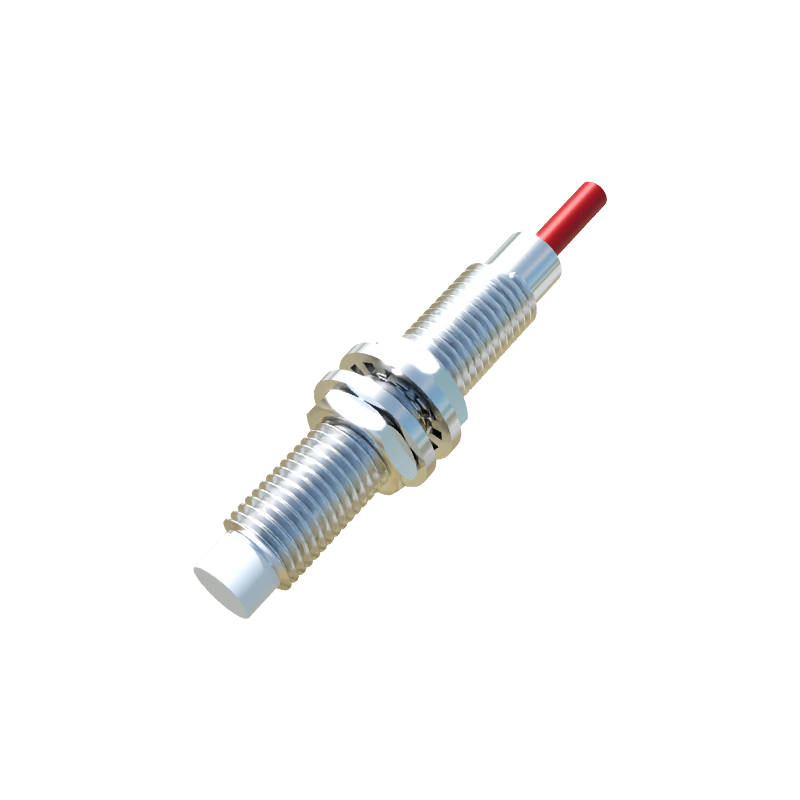
Key specifications define the performance of an M30 sensor. The sensing range, often between 5mm to 15mm for standard models, indicates the maximum distance at which a standard target can be reliably detected. Factors like target material, size, and shape can influence the effective sensing distance. The housing material, typically nickel-plated brass or stainless steel, provides resistance to corrosion, chemicals, and physical impacts. Many models feature IP67 or IP68 ingress protection ratings, making them suitable for use in washdown areas or outdoor settings where exposure to water and dust is common.
Electrical output types are a primary differentiator. Common configurations include 3-wire DC versions with NPN (sinking) or PNP (sourcing) transistor outputs, as well as 2-wire AC/DC models. The choice depends on the control system's input requirements. Furthermore, output functions can be Normally Open (NO) or Normally Closed (NC), defining the signal state when no target is present. Some advanced M30 sensors incorporate diagnostic features like short-circuit protection, overload protection, and LED status indicators for operational feedback.
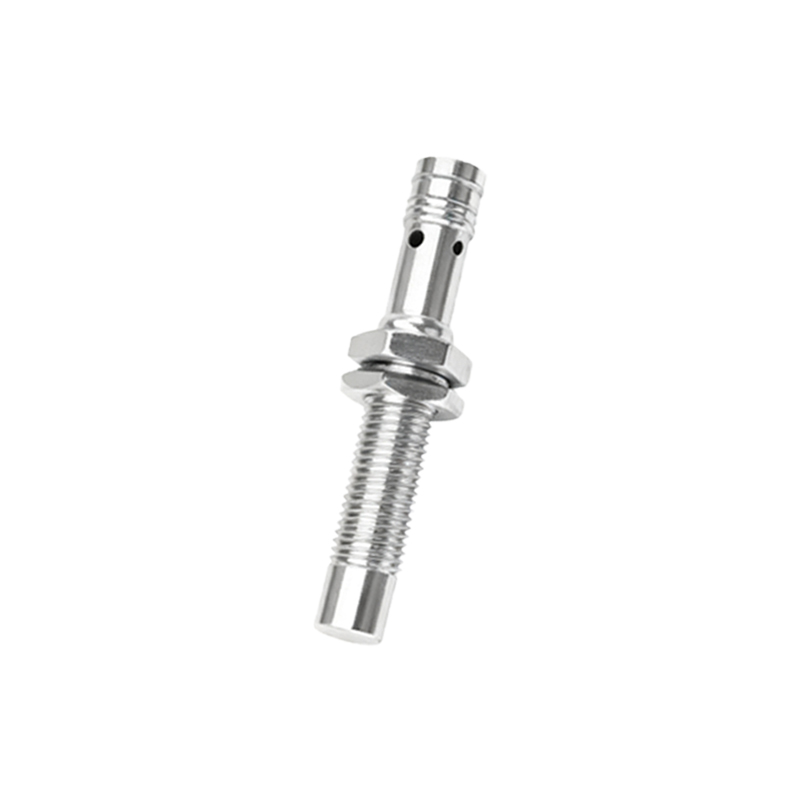
The application spectrum for M30 proximity sensors is vast. They are indispensable in material handling for detecting the presence of metal parts on conveyors, pallets, or robotic grippers. In machine tooling, they are used for tool breakage detection, part positioning, and end-of-travel limit sensing. Assembly lines utilize them to verify component presence before a process step. Their robustness also makes them ideal for heavy machinery, such as in mobile hydraulics or agricultural equipment, for monitoring piston rod position or detecting bucket angles.
Installation and environmental considerations are paramount for optimal performance. Proper mounting, often in a threaded barrel style using the standard M30 x 1.5 thread, ensures mechanical stability and correct sensing alignment. Engineers must account for factors like temperature extremes, which can affect sensing range, and the potential for electrical noise in the vicinity of variable frequency drives (VFDs) or welding equipment. Selecting shielded models can mitigate noise interference. Regular maintenance, though minimal, involves checking for physical damage, buildup of metallic swarf on the sensing face, and ensuring secure electrical connections.
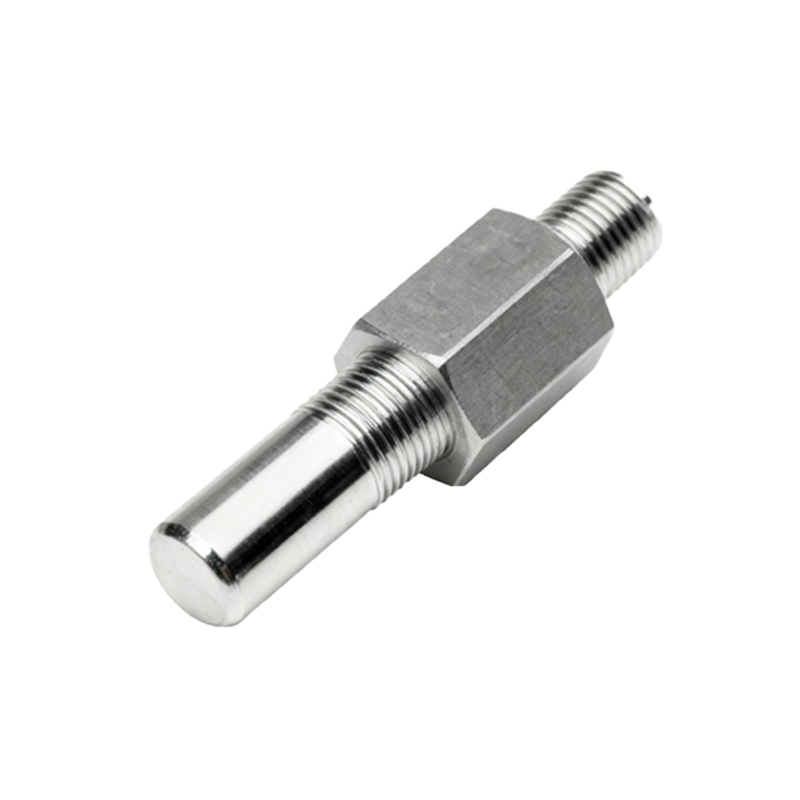
In conclusion, the M30 proximity sensor represents a mature and essential technology in industrial sensing. Its standardized design, reliable metal detection capability, and rugged construction make it a default choice for engineers designing automated systems. By understanding its operating principles, key specifications, and application best practices, maintenance personnel and system integrators can ensure maximum reliability and longevity, contributing to efficient and uninterrupted production operations. As automation evolves, the foundational role of sensors like the M30 remains unchallenged, providing the critical data points upon which smart manufacturing systems are built.