Proximity sensors are essential components in modern industrial automation, enabling non-contact detection of objects within a specific range. Understanding their classification is crucial for selecting the right sensor for various applications. This article provides a comprehensive diagram-based guide to proximity sensor types, operating principles, and typical use cases.
The primary classification of proximity sensors is based on their detection technology. The main categories include inductive, capacitive, ultrasonic, photoelectric, and magnetic sensors. Each type operates on distinct physical principles, making them suitable for different materials and environments.
Inductive proximity sensors are widely used for detecting metallic objects. They generate an electromagnetic field and detect changes caused by conductive materials. These sensors are ideal for harsh industrial environments due to their robustness and resistance to dirt, dust, and moisture. Common applications include position sensing in machinery, metal detection in conveyor systems, and part counting in manufacturing lines.
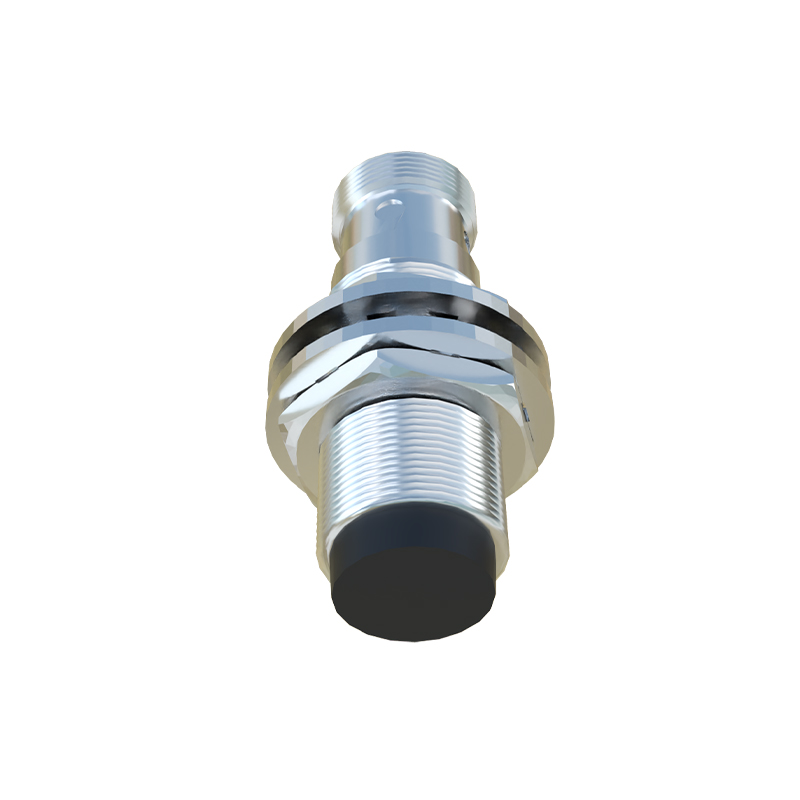
Capacitive proximity sensors can detect both metallic and non-metallic materials, including liquids, plastics, and wood. They work by measuring changes in capacitance caused by the presence of an object. These sensors are often used in level detection for tanks, material handling, and presence sensing of non-metallic objects.
Ultrasonic proximity sensors use sound waves beyond the human hearing range to detect objects. They emit ultrasonic pulses and measure the time taken for the echo to return. This technology is effective for detecting objects regardless of color, transparency, or material composition. Typical applications include distance measurement, object detection in challenging environments, and liquid level sensing.

Photoelectric proximity sensors employ light beams to detect objects. They consist of a light emitter and a receiver. When an object interrupts or reflects the light beam, the sensor triggers a response. These sensors are classified into through-beam, retro-reflective, and diffuse-reflective types based on their configuration. They are suitable for long-range detection and can sense various materials, making them versatile for packaging, assembly, and material handling industries.
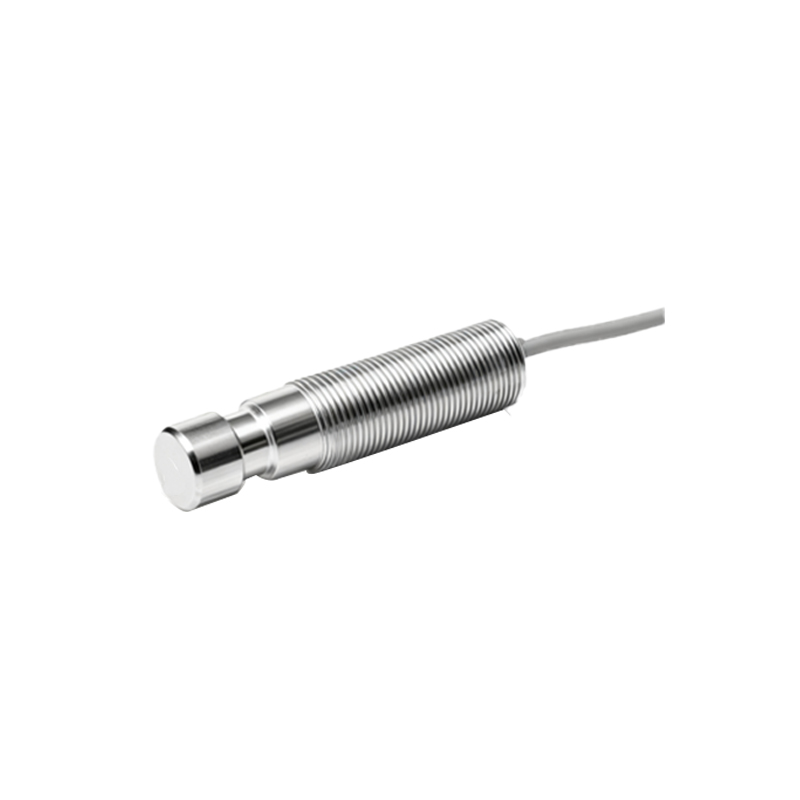
Magnetic proximity sensors detect the presence of magnetic fields, typically from permanent magnets. They are commonly used in conjunction with moving parts equipped with magnets, such as in cylinder position sensing or door closure detection. These sensors are known for their reliability and simplicity.
Selection criteria for proximity sensors include sensing range, target material, environmental conditions, output type, and mounting requirements. The accompanying diagram illustrates the classification tree, highlighting key characteristics and applications for each sensor type. This visual guide aids engineers in making informed decisions for their specific automation needs.
In summary, proximity sensors play a vital role in industrial automation by providing accurate and reliable object detection. Understanding their classification helps optimize system performance, reduce downtime, and improve safety. As technology advances, new sensor variants continue to emerge, offering enhanced features for smarter industrial applications.