In the realm of industrial automation, top proximity sensors stand as critical components that drive efficiency, safety, and precision. These non-contact devices detect the presence or absence of objects within a specified range without physical interaction, making them indispensable across various sectors including manufacturing, automotive, aerospace, and robotics. Their primary function is to enable seamless control and monitoring, reducing downtime and enhancing operational workflows.
One of the key roles of high-quality proximity sensors is to ensure safety in hazardous environments. By detecting objects or personnel in close proximity to machinery, they trigger automatic shutdowns or alerts, preventing accidents and injuries. For instance, in automated assembly lines, sensors can halt equipment when an unexpected obstruction is detected, safeguarding both workers and machinery. This proactive approach minimizes risks and complies with stringent industrial safety standards, such as those set by OSHA or ISO.
Moreover, proximity sensors contribute significantly to precision and accuracy in manufacturing processes. In applications like CNC machining or robotic welding, sensors provide real-time feedback on tool positioning and material alignment. This allows for micron-level adjustments, ensuring consistent product quality and reducing waste. Advanced models, such as inductive or capacitive sensors, can detect metallic or non-metallic objects with high reliability, even in challenging conditions like dust, moisture, or extreme temperatures. Their ability to operate without wear and tear—unlike mechanical switches—extends equipment lifespan and lowers maintenance costs.
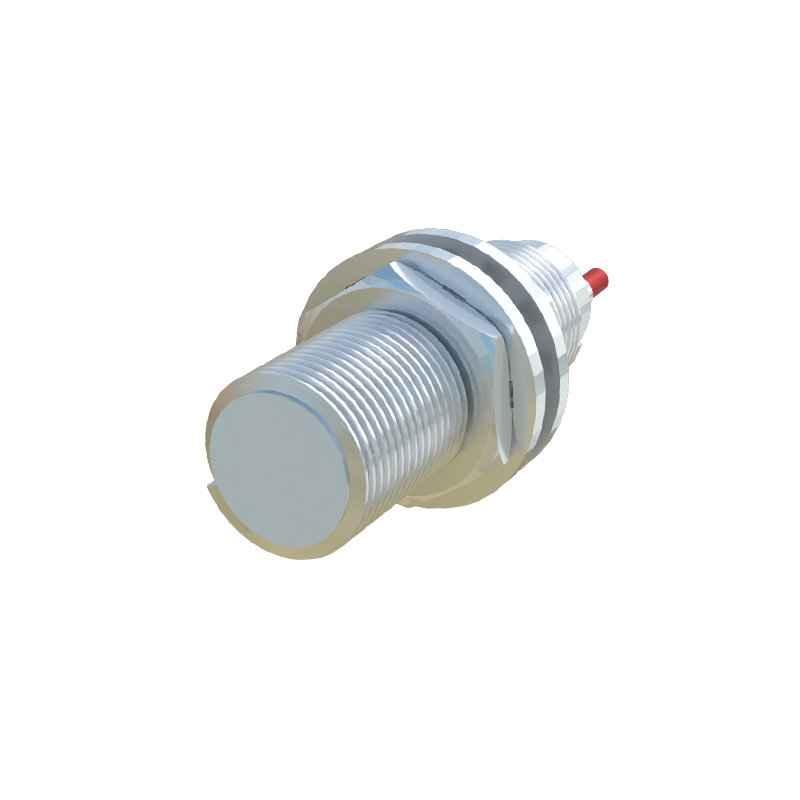
Another vital role is in energy efficiency and sustainability. By optimizing machine operations, proximity sensors help reduce unnecessary power consumption. For example, in conveyor systems, sensors can activate machinery only when items are present, avoiding idle running. This not only cuts energy bills but also supports eco-friendly initiatives by lowering carbon footprints. Industries are increasingly adopting smart sensors integrated with IoT platforms, enabling predictive maintenance and data analytics for further resource optimization.
In the automotive sector, proximity sensors are integral to advanced driver-assistance systems (ADAS) and autonomous vehicles. They detect obstacles, pedestrians, and other vehicles, facilitating features like parking assistance and collision avoidance. This technology enhances road safety and paves the way for future mobility solutions. Similarly, in aerospace, sensors monitor critical components during flight, ensuring reliability and performance under high-stress conditions.
The evolution of proximity sensors continues with innovations like laser-based and ultrasonic sensors, offering longer ranges and higher accuracy. As Industry 4.0 gains momentum, these sensors are becoming smarter, with embedded connectivity for real-time data exchange. This transforms traditional factories into intelligent ecosystems, where sensors communicate with central control systems to automate decision-making and boost productivity.
Overall, top proximity sensors are more than mere detection tools; they are enablers of modern industrial advancement. By fostering safety, precision, and efficiency, they underpin the backbone of automated systems, driving progress toward smarter, more resilient industries. Investing in reliable sensor technology is thus a strategic move for any organization aiming to stay competitive in today’s fast-paced market.