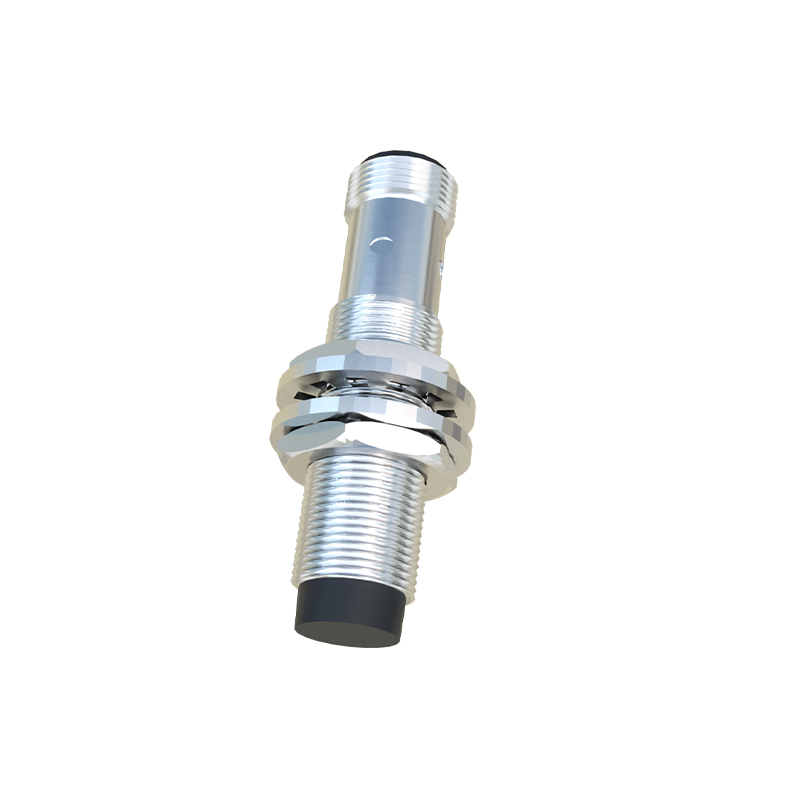
Proximity sensors are integral components in modern industrial automation, providing non-contact detection of objects for applications ranging from assembly line monitoring to safety systems. Accurate simulation of proximity sensor signals is crucial for system design, testing, and troubleshooting. This article explores several effective methods for simulating proximity sensor signals, tailored for engineers and technicians in the electrical and automation fields.
One primary approach involves using programmable signal generators. These devices can replicate the output waveforms of various proximity sensor types, including inductive, capacitive, and photoelectric sensors. For inductive sensors, which detect metallic objects, the simulator generates a digital or analog signal that mimics the change in oscillation amplitude or frequency when a target enters the sensing range. Engineers often configure these generators to produce pulse trains or modulated signals corresponding to specific sensor models, enabling precise validation of controller input circuits.
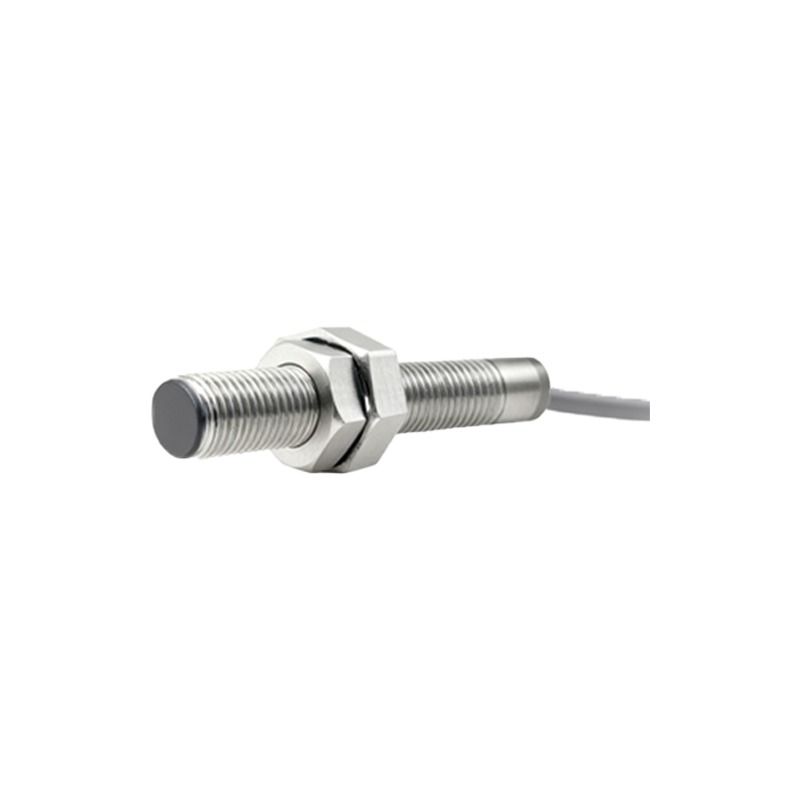
Another common technique utilizes dedicated sensor simulators or calibration tools. These portable instruments are designed to emulate the electrical characteristics of proximity sensors, such as switching behavior, load current, and output voltage levels. For instance, a simulator might provide a PNP or NPN transistor output simulation, allowing technicians to verify the compatibility with PLC input modules without needing an actual sensor and target. This method is particularly valuable for on-site diagnostics and maintenance, reducing downtime by quickly isolating sensor-related issues.
Software-based simulation offers advanced flexibility, especially in integrated development environments. Using tools like PLC programming software or circuit simulation platforms, engineers can create virtual models of proximity sensors. These models incorporate parameters like sensing distance, hysteresis, and response time, generating signal patterns that interact with control logic in real-time. Such simulations facilitate early-stage design verification and performance optimization, allowing for iterative testing under varied operational scenarios without physical hardware.
For photoelectric sensors, which rely on light beam interruption or reflection, optical simulation methods are employed. This can involve using calibrated light sources or reflective materials to trigger the sensor artificially. In laboratory settings, adjustable targets and beam blockers help replicate different detection conditions, such as varying object sizes or surface reflectivity. Signal analyzers then capture the sensor's output to assess its consistency and accuracy, ensuring reliable performance in actual installations.
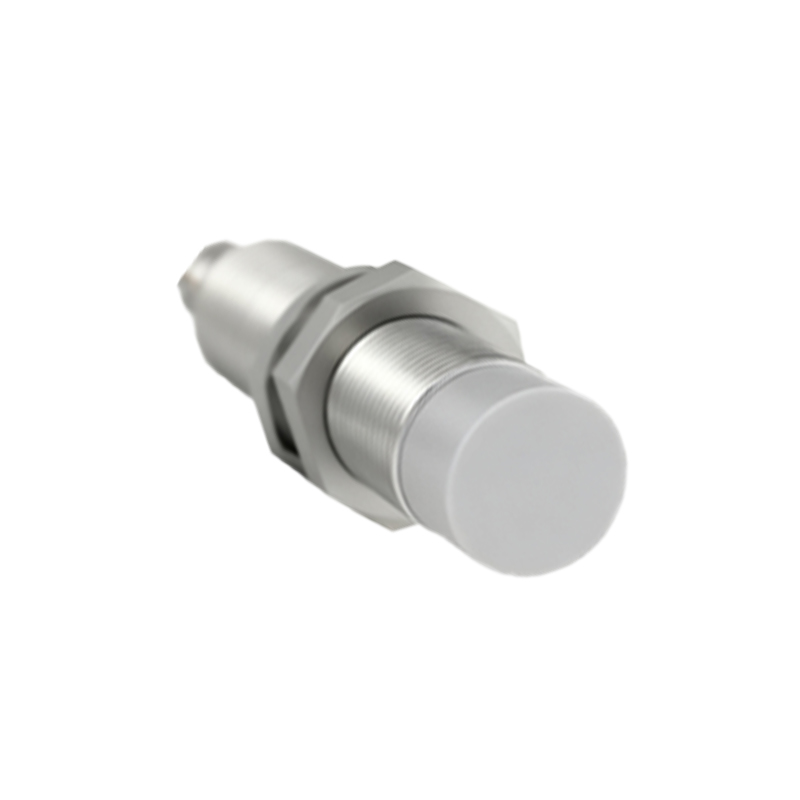
Environmental factor simulation is also critical. Proximity sensors may be affected by temperature fluctuations, electromagnetic interference, or contamination. Signal simulation can include introducing noise or signal degradation to test the robustness of the sensor interface. By using noise generators or impedance mismatching setups, engineers evaluate how well the system filters out disturbances, enhancing reliability in harsh industrial environments.
In practice, combining these methods yields comprehensive testing frameworks. For example, a hybrid setup might integrate a hardware signal generator with software monitoring to simulate dynamic object movements, mimicking conveyor belt operations. This holistic approach ensures that both the sensor signal and the system's interpretation are validated, leading to improved design accuracy and operational efficiency.
Ultimately, mastering proximity sensor signal simulation empowers professionals to enhance system reliability, accelerate development cycles, and reduce costs. As industrial automation evolves, leveraging these simulation techniques will remain essential for innovation and maintenance in electrical engineering applications.