In industrial automation and measurement systems, laser sensors are critical components for precision detection, positioning, and quality control. Proper hoisting and installation of these sensitive devices are paramount to ensure their accuracy, longevity, and operational safety. This article outlines the essential requirements and best practices for hoisting laser sensors in various industrial settings.
First and foremost, prior to any hoisting activity, a thorough risk assessment must be conducted. This involves evaluating the weight and dimensions of the sensor and its housing, selecting appropriate lifting equipment (such as cranes, hoists, or slings with adequate load capacity), and ensuring the structural integrity of the mounting point. The sensor's technical manual, provided by the manufacturer, is the definitive guide for specific weight limits, center of gravity information, and any special handling instructions. Ignoring these specifications can lead to mechanical stress, misalignment, or catastrophic failure.
Environmental considerations are crucial during the hoisting process. Laser sensors, particularly those with high-precision optics, are vulnerable to contamination. The hoisting area should be as clean as possible to prevent dust, oil mist, or other particulates from settling on the sensor's lens or housing. If installation occurs in a harsh environment, temporary protective covers should be used until the sensor is securely mounted. Furthermore, personnel must be aware of ambient conditions such as temperature extremes or humidity, which might affect the sensor's materials or the hoisting equipment itself.
The physical act of hoisting requires careful execution. Use only certified, non-marring lifting attachments. Soft slings or padded hooks are recommended to prevent scratches or dents on the sensor's enclosure, which could compromise its IP (Ingress Protection) rating. The lifting motion must be slow, steady, and controlled to avoid sudden jerks or swings. Swinging can generate significant inertial forces, potentially damaging internal components or causing the sensor to collide with nearby structures. The sensor should be kept in its factory packaging or a stable transport container for as long as possible during the lift.
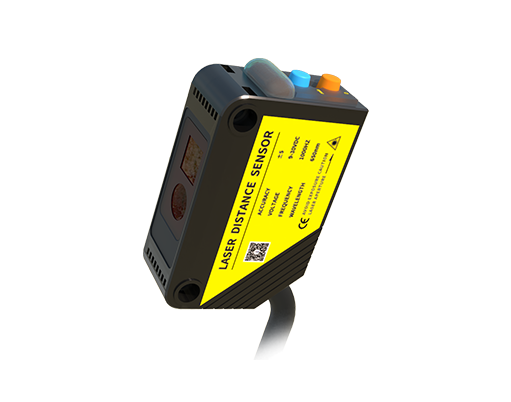
Alignment and mounting are integral parts of the hoisting procedure. The objective is to transfer the sensor smoothly from the lifting apparatus to its final installed position. The mounting surface—whether a machine frame, gantry, or dedicated bracket—must be rigid, stable, and properly leveled. Vibration from the host machinery is a common source of measurement error; therefore, the mounting system should include vibration-damping elements if specified. Before fully securing the sensor, perform a preliminary check of its orientation and alignment relative to its target. Final tightening of fasteners should follow a cross-pattern sequence to ensure even pressure and avoid distorting the sensor housing.
Electrical and connectivity safety must not be overlooked. Ensure that power is disconnected during the entire hoisting and mounting process. Secure any loose cables to prevent them from snagging or bearing weight. Strain relief features for cable connectors should be properly engaged after installation. For sensors integrated into complex networks, verify that the hoisting path does not endanger other sensitive cables or control lines.
Post-installation, a comprehensive verification is mandatory. This includes a visual inspection for any physical damage incurred during hoisting, a check of all mechanical fastenings, and a careful cleaning of the optical window if necessary. Only after these steps should power be restored. Initial calibration and functional testing, as per the manufacturer's guidelines, are essential to confirm that the hoisting process has not affected the sensor's specified performance parameters like accuracy, repeatability, and response time.

In conclusion, hoisting a laser sensor is not merely a mechanical task but a precision operation that bridges logistics and technology. Adherence to manufacturer specifications, meticulous planning for environmental and physical factors, and controlled execution are the pillars of a successful installation. By treating the hoisting process with the same rigor as the sensor's operational use, engineers can safeguard their investment and ensure reliable, accurate data collection for their automated systems. Neglecting these requirements risks costly downtime, recalibration efforts, and compromised process integrity.