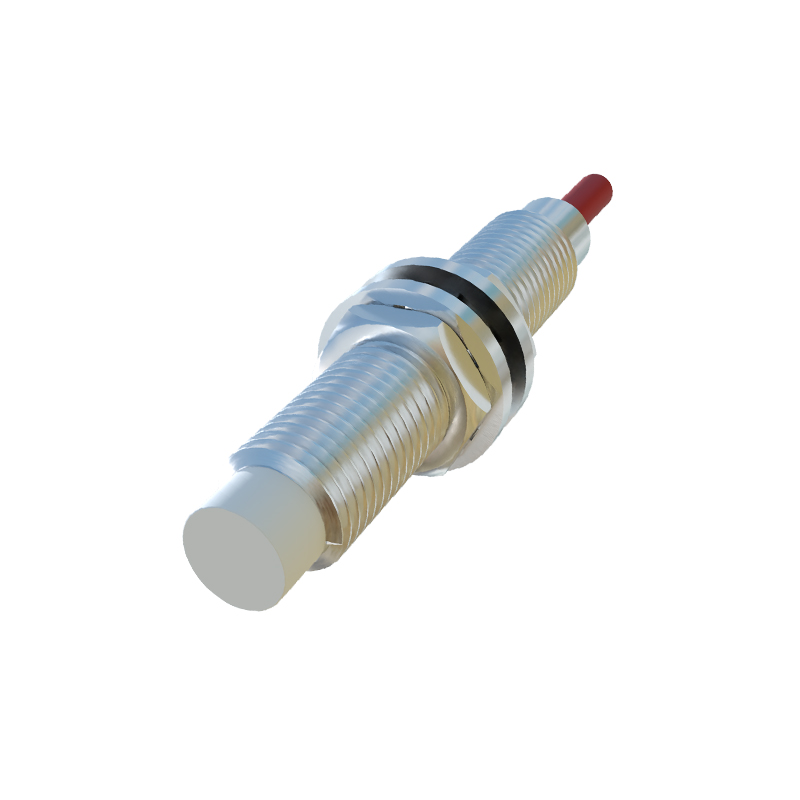
In the fast-paced world of industrial automation and control systems, proximity sensors are indispensable components. They detect the presence or absence of objects without physical contact, ensuring efficiency, safety, and precision in countless applications—from assembly lines and packaging machinery to automotive manufacturing and material handling. When a critical sensor fails or a new project demands a specific model, finding the correct proximity switch sensor manufacturer phone number becomes a task of paramount importance. However, this seemingly simple act of making a call is layered with considerations that can significantly impact your operations.
The first step is identifying the precise manufacturer. The market is populated with numerous brands, each with its specialties. Major global players like Siemens, Omron, Balluff, Pepperl+Fuchs, and Schneider Electric have extensive product portfolios. Regional or niche manufacturers might offer tailored solutions. Knowing the exact brand and, ideally, the specific sensor series or part number is crucial. This information is typically found on the sensor's housing or its documentation. Searching online with the complete part number alongside the term "contact" or "support" often leads directly to the manufacturer's official support page, where the correct regional phone number is listed.
Why is calling the manufacturer directly often the best course of action? Technical support is the primary reason. Authorized technical support teams possess deep, product-specific knowledge that general distributors may not. They can provide immediate troubleshooting guidance, confirm product specifications, advise on compatibility issues, and discuss custom engineering options. For complex integration problems or suspected product faults, this direct line is invaluable. It can mean the difference between a five-minute resolution and hours of downtime.
Furthermore, contacting the manufacturer is essential for verifying product authenticity and sourcing genuine replacement parts. The industrial components market, unfortunately, has issues with counterfeit products. A call to the official number connects you to authorized channels, ensuring you receive OEM parts that meet the original performance and safety standards. This protects your machinery's integrity and your personnel's safety.
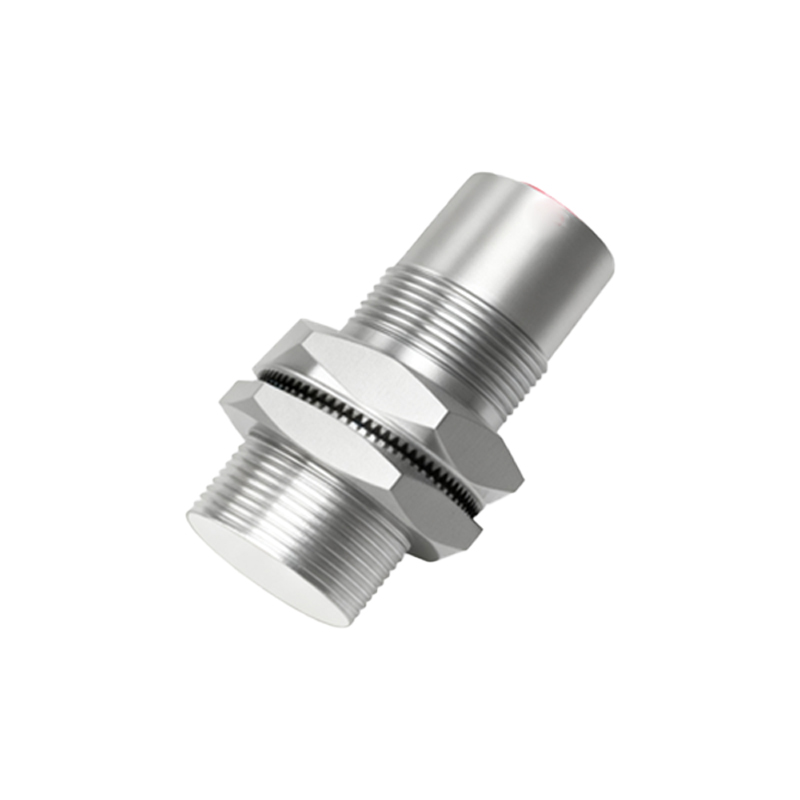
Before you dial, preparation is key. Have the following information ready: the complete sensor model number, the machine or application it is used in, the nature of the problem (e.g., no signal, intermittent operation), and the environmental conditions (temperature, exposure to chemicals, etc.). This preparation streamlines the conversation, allowing the support engineer to provide accurate and swift assistance. It demonstrates professionalism and respect for the expert's time.
While phone support is direct, it's part of a broader ecosystem. Modern manufacturers offer multi-channel support. After obtaining the phone number from their official "Contact Us" website section, note that email, live chat, and technical ticket portals are often available for less urgent inquiries. For routine purchases or to locate local distributors, the sales department number—usually distinct from technical support—is more appropriate. A company's website is the most reliable source for these dedicated numbers, ensuring you reach the correct department on the first try.
In emergency breakdown situations, having key supplier contacts pre-programmed into your maintenance team's directory is a best practice. However, for long-term partnership, establishing a relationship with a trusted, authorized distributor in your region can be equally effective. They hold local stock, understand regional logistics, and have direct lines to the factory for technical escalations. Sometimes, calling your local distributor's technical specialist can be faster than navigating a large manufacturer's main switchboard.
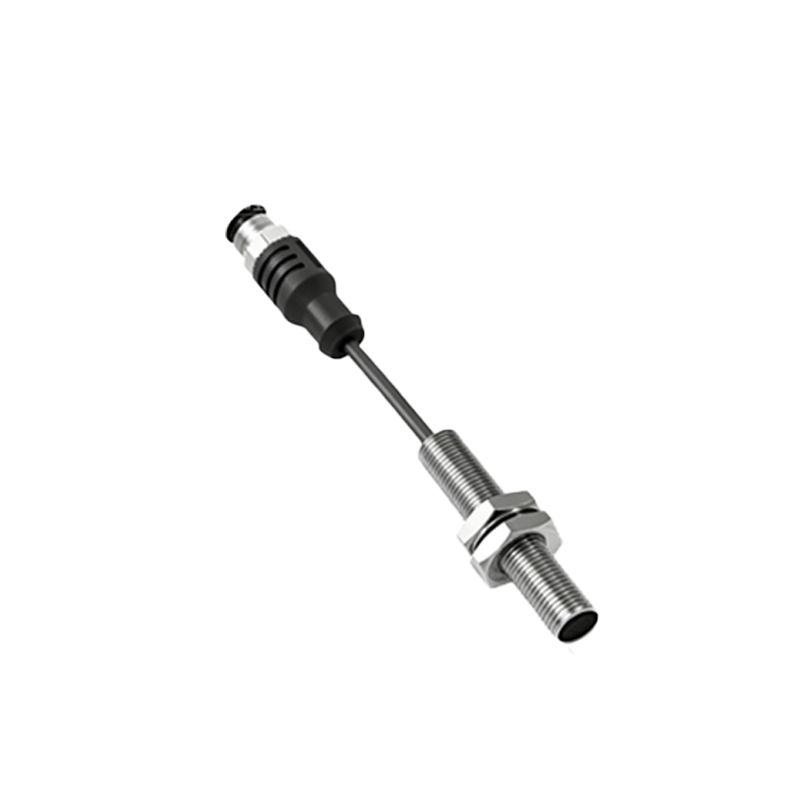
In conclusion, finding and using a proximity sensor manufacturer's phone number is a critical skill in industrial maintenance and procurement. It goes beyond a simple directory lookup; it is a strategic step towards accessing expert knowledge, ensuring part authenticity, and minimizing operational disruption. The direct telephone line remains a powerful tool for resolving complex technical challenges, fostering supplier relationships, and ultimately, keeping your industrial processes running smoothly and reliably. Always prioritize official channels sourced from the manufacturer's verified website to guarantee you are connecting with genuine, authoritative support.