In the industrial automation and control systems landscape, proximity sensors are fundamental components, enabling non-contact detection of metallic and non-metallic objects. For procurement specialists, project engineers, and system integrators, navigating the pricing structure of these sensors, especially when sourced through distributors or authorized agents, is a critical aspect of project budgeting and supply chain management. The final agent price is rarely a simple figure from a catalog; it is a composite reflection of multiple technical, commercial, and logistical factors.
At its core, the price of a proximity sensor is intrinsically linked to its underlying technology and performance specifications. Inductive sensors, designed for metal detection, typically offer a cost-effective solution for standard applications. Capacitive sensors, capable of detecting a wider range of materials including liquids and plastics, generally command a higher price point due to their more complex circuitry. Ultrasonic and photoelectric sensors, with their longer sensing ranges and ability to handle challenging environmental conditions, represent a further step up in the pricing tier. Within each category, specifications such as sensing range, switching frequency, housing material (e.g., stainless steel vs. nickel-plated brass), ingress protection (IP) rating, and output type (PNP/NPN, analog, IO-Link) create a wide spectrum of price points. A standard M18 inductive sensor will be significantly less expensive than a specialized M30 stainless steel sensor with an extended range and IO-Link communication for Industry 4.0 data integration.
The role of the authorized agent or distributor is pivotal in determining the final landed cost. Agents do not merely add a markup; they provide value-added services that influence price. These include local technical support, application engineering, inventory holding, warranty fulfillment, and logistical handling. A sensor purchased directly from an overseas manufacturer might have a lower unit cost but incur substantial shipping fees, import duties, and lead to long lead times and complex warranty claims. An authorized agent consolidates these hidden costs, offering a more predictable and often more reliable total cost of ownership (TCO). Their pricing is influenced by their purchase volume agreements with the manufacturer, their own operational costs, and the level of support bundled with the product.
Market dynamics and supply chain health are powerful external price drivers. During periods of high demand in manufacturing sectors like automotive, packaging, or consumer electronics, prices may firm up. Conversely, economic slowdowns can lead to more competitive pricing as agents work to maintain sales volumes. The availability and cost of raw materials, such as copper, plastics, and semiconductors, directly impact manufacturing costs, which are eventually passed through the distribution channel. Geopolitical factors and trade policies affecting key manufacturing regions can also introduce tariffs or supply constraints, causing price volatility. A savvy buyer maintains relationships with multiple reputable agents to benchmark prices and understand market trends.
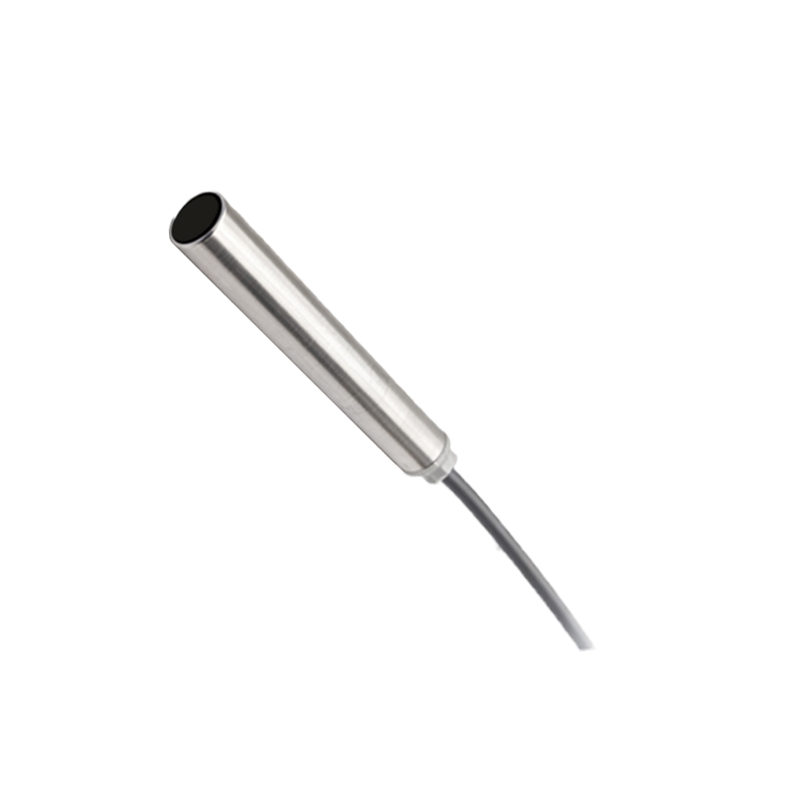
For engineers and buyers aiming to optimize costs without compromising on quality or reliability, several strategies are effective. First, clearly define the application requirements. Over-specifying a sensor (e.g., choosing a 20mm range when 5mm suffices, or specifying a high IP69K rating for a clean cabinet environment) needlessly inflates cost. Standardizing sensor models and brands across a facility can increase purchase volumes, giving leverage for negotiating better agent pricing. Considering the TCO, rather than just the unit price, is crucial. A slightly more expensive sensor from an agent with a local warehouse and 24/7 support can prevent costly production downtime. Finally, engaging with agents early in the design phase can yield valuable insights. They can often recommend cost-effective, functionally equivalent alternatives or newer models that offer better performance at a similar price point.
In conclusion, the agent price for a proximity sensor is a multifaceted equation. It encapsulates the sensor's technical merit, the value-added services of the supply channel, and the prevailing industrial and economic climate. By understanding these components—from the core technology of inductive, capacitive, and photoelectric sensing to the commercial realities of distribution and global supply chains—industrial professionals can make informed, strategic purchasing decisions. This approach ensures not just cost efficiency, but also system reliability, operational continuity, and long-term project success.