In the realm of industrial automation and process control, selecting the appropriate sensing technology is paramount for system efficiency, safety, and reliability. Two fundamental and widely utilized sensor categories are pressure sensors and proximity sensors. While their names might suggest distinct, non-overlapping functions, a nuanced understanding of their operational principles, applications, and selection criteria is essential for engineers and system designers. This article provides a detailed technical comparison between pressure sensors and proximity sensors, delineating their roles within modern industrial ecosystems.
Fundamental Operating Principles
The core distinction lies in the physical phenomenon they measure. A pressure sensor is a transducer that converts a mechanical force exerted by a fluid (liquid or gas) into an electrical signal. This force, measured as pressure per unit area, is typically detected via a diaphragm or elastic element. The resulting deformation is measured using various technologies such as piezoresistive, capacitive, or strain gauge elements. The output is an analog signal (e.g., 4-20 mA, 0-10V) or a digital signal proportional to the applied pressure, providing quantitative data about the system's state.
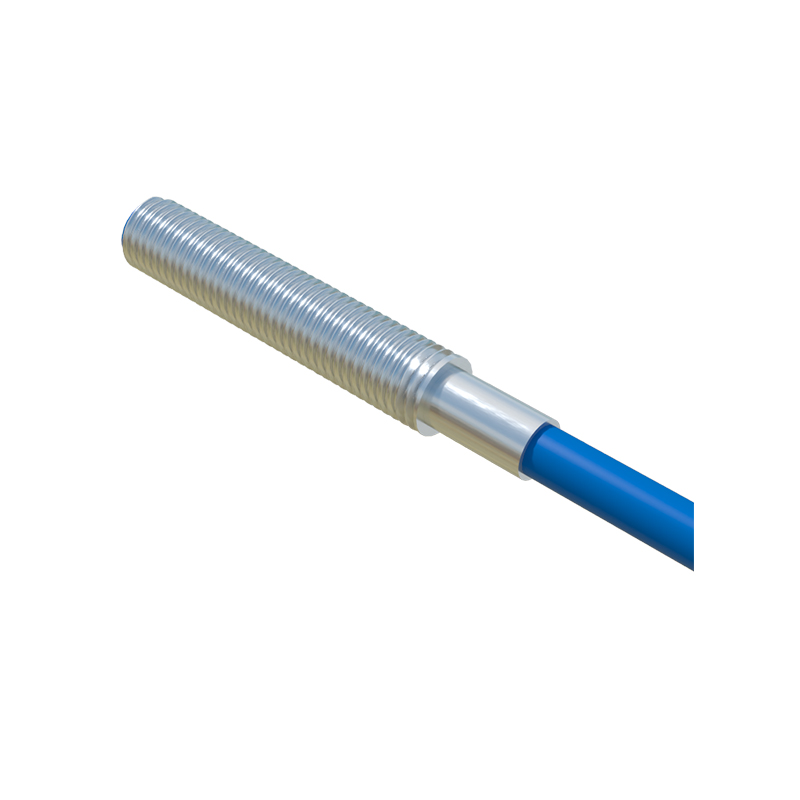
In contrast, a proximity sensor is a non-contact device designed to detect the presence or absence of a target object within its sensing field without physical contact. It does not measure a continuous physical variable like force but provides a discrete on/off signal. Common technologies include:
Inductive Proximity Sensors: Detect metallic objects by generating an electromagnetic field.
Capacitive Proximity Sensors: Detect both metallic and non-metallic materials (liquids, plastics, granules) by measuring changes in capacitance.
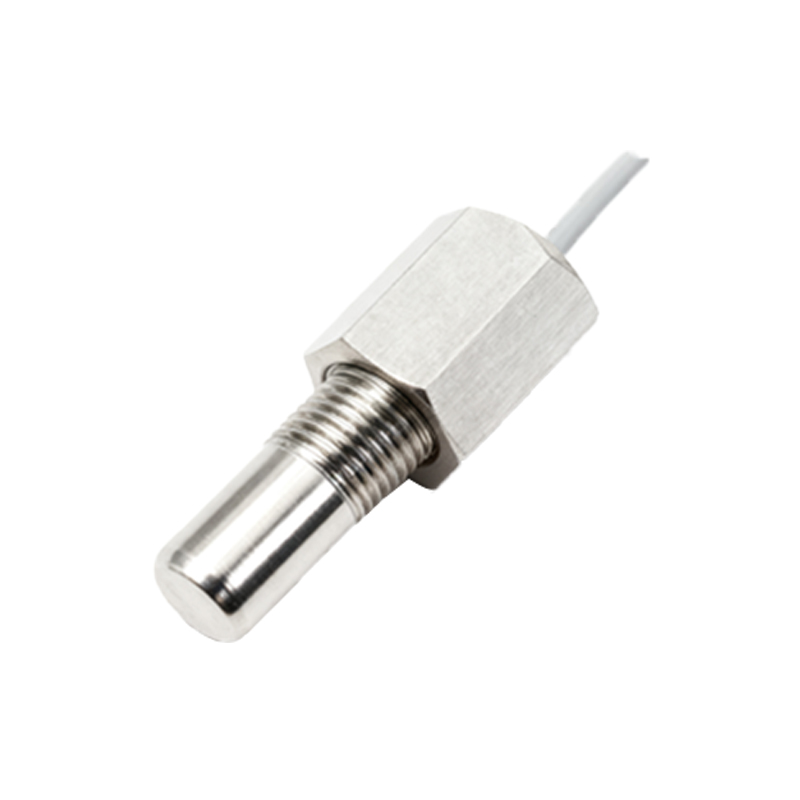
Photoelectric Sensors: Use a light beam (visible, infrared, laser) to detect objects.
Ultrasonic Sensors: Emit sound waves and measure the reflection time to determine presence and distance.
Primary Applications and Use Cases
The application domains are largely defined by their measurement nature.
Pressure Sensors are integral to systems where monitoring and controlling fluid dynamics is critical. Key applications include:
Hydraulic & Pneumatic Systems: Monitoring line pressure, pump control, and leak detection.
Process Industries: Level measurement in tanks (via hydrostatic pressure), flow measurement, and pipeline monitoring in chemical, oil & gas, and water treatment plants.
HVAC Systems: Ensuring proper refrigerant pressure and airflow.
Medical Devices: Monitoring blood pressure, respiratory pressure.
Automotive: Monitoring tire pressure, engine oil pressure, and fuel system pressure.
Proximity Sensors excel in discrete event detection and position sensing within manufacturing and automation. Typical applications are:
Object Detection & Counting: On conveyor belts, assembly lines, and packaging machinery.
Position Verification: Confirming the presence of a part in a fixture, end-of-travel limits for cylinders or actuators.
Jam Detection: In material handling systems.
Speed Measurement: By counting passing objects per unit time.
Non-Metallic Object Handling: Using capacitive or photoelectric sensors for bottles, wood, or food products.
Key Selection Criteria: A Comparative View
When choosing between these sensors, engineers must evaluate several parameters:
1. Measurand: The primary question: Do you need to measure a continuous force/pressure variable, or simply detect the presence/absence of an object? This is the most decisive factor.
2. Contact vs. Non-Contact: Pressure sensors typically require physical contact with the medium via a diaphragm or port. Proximity sensors, by definition, operate non-contact, which is advantageous for fragile objects or in dirty environments where contamination is a concern.
3. Output Signal: Pressure sensors provide analog outputs representing a range of values. Proximity sensors primarily provide discrete digital (switch) outputs, though some ultrasonic and laser variants offer analog distance outputs.
4. Target Material: For proximity sensors, the target material is crucial. Inductive sensors only detect metals, while capacitive and photoelectric offer broader material compatibility. Pressure sensor performance is influenced by media compatibility (corrosiveness, viscosity) with its wetted materials (stainless steel, ceramics).
5. Environmental Factors: Both are affected by temperature, but pressure sensors must also consider media temperature and potential clogging. Proximity sensors can be affected by ambient light (photoelectric), dust, or adjacent metallic objects (inductive).
6. Installation and Integration: Pressure sensors require proper piping or port threading and often need sealing. Proximity sensors require careful positioning within their specified sensing range and may need shielding from interference.
Synergistic Coexistence, Not Direct Competition
It is vital to understand that these sensors are rarely direct substitutes. Instead, they often work synergistically within a single