In the realm of industrial automation, precision and reliability are non-negotiable. Among the myriad of components that ensure seamless operations, the Proximity Sensor DC10 stands out as a cornerstone technology. This comprehensive guide delves into the intricacies of the DC10 series, exploring its design principles, operational mechanisms, and diverse applications across modern manufacturing environments.
Proximity sensors, by definition, are devices that detect the presence or absence of an object without physical contact. The DC10 series, specifically engineered for DC voltage operations, exemplifies this non-contact detection with exceptional accuracy. Typically operating within a 10-30V DC range, these sensors leverage electromagnetic fields or capacitive coupling to sense metallic or non-metallic targets. The absence of moving parts minimizes wear and tear, granting the DC10 an impressive operational lifespan even in harsh industrial settings characterized by dust, moisture, or temperature fluctuations.
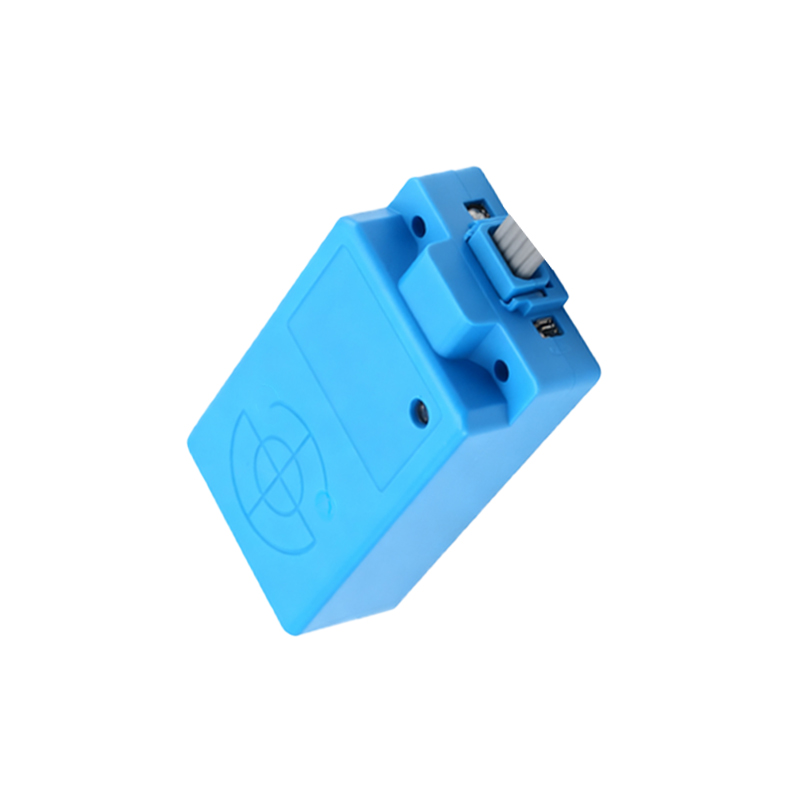
The core technology behind the DC10 often revolves around inductive or capacitive sensing principles. Inductive models are predominantly used for detecting metallic objects. They generate an oscillating electromagnetic field; when a metal target enters this field, it induces eddy currents that dampen the oscillation, triggering a switch in the sensor's output state. Capacitive variants, on the other hand, can detect a wider range of materials, including liquids, plastics, and wood, by measuring changes in capacitance caused by the target's proximity. The DC10 series is celebrated for its compact cylindrical housing, often in M8 or M12 form factors, facilitating easy integration into machinery and control panels.
Key performance parameters define the DC10's utility. Sensing distance, a critical specification, typically ranges from 1mm to 5mm for standard inductive models, ensuring precise positioning control. Response frequency can reach up to several kilohertz, allowing for high-speed detection on fast-moving production lines. Furthermore, these sensors boast features like short-circuit protection, reverse polarity protection, and LED status indicators, enhancing both safety and diagnostic capabilities. Their output configurations—commonly NPN (sinking) or PNP (sourcing) transistor outputs—provide flexibility for interfacing with various programmable logic controllers (PLCs) and relay systems.
Application scenarios for the Proximity Sensor DC10 are vast and varied. In automotive assembly lines, they precisely count components, verify part presence, and control robotic arm movements. Packaging machinery relies on them for bottle cap detection, fill level monitoring, and label positioning. Within material handling systems, DC10 sensors facilitate object positioning on conveyors, palletizing, and warehouse automation. Their robustness also makes them ideal for metalworking, where they monitor spindle position, tool wear, and workpiece alignment without succumbing to coolant or metal chip interference.
Installation and maintenance are straightforward but require attention to detail. Ensuring proper alignment between the sensor face and the target is paramount for optimal performance. Environmental factors such as adjacent metal surfaces (which can cause shielding effects) or strong electromagnetic interference must be considered during mounting. Regular cleaning of the sensing face to remove debris and periodic verification of output signals with a multimeter or oscilloscope can preempt operational failures.
Looking ahead, the evolution of the Proximity Sensor DC10 is aligned with Industry 4.0 trends. Future iterations may incorporate IO-Link communication capabilities, enabling real-time data exchange on parameters like temperature, signal strength, and device health. This digital transformation paves the way for predictive maintenance, reducing downtime and optimizing overall equipment effectiveness (OEE).
In conclusion, the Proximity Sensor DC10 is more than just a switch; it is an intelligent enabler of automation. Its blend of durability, precision, and versatility makes it an indispensable component in modern industrial ecosystems. For engineers and system integrators, understanding its capabilities and correct implementation is key to building resilient, efficient, and smart automated systems that drive productivity forward.