In the rapidly evolving electrical and industrial automation sectors, proximity sensors play a critical role in ensuring efficiency, safety, and precision. As a seasoned electrical engineer, I've witnessed firsthand the lifecycle of these indispensable components—from installation to eventual decommissioning. The topic of proximity sensor recycling, particularly for brands like Sensortec (a common industry placeholder), is not merely an environmental consideration but a significant operational and economic imperative. This article delves into the why, how, and best practices for responsible proximity sensor disposal and recovery.
Firstly, understanding the composition of a typical inductive or capacitive proximity sensor is key. These devices contain valuable materials such as copper coils, precious metals in contacts, semiconductor components, and various plastics and metals in the housing. Simply discarding them as general waste constitutes a loss of finite resources and poses environmental hazards due to heavy metals and electronic waste. From an industry perspective, recycling aligns with corporate sustainability goals, complies with increasingly stringent global regulations like WEEE (Waste Electrical and Electronic Equipment), and can even offer cost recovery through material reclamation.
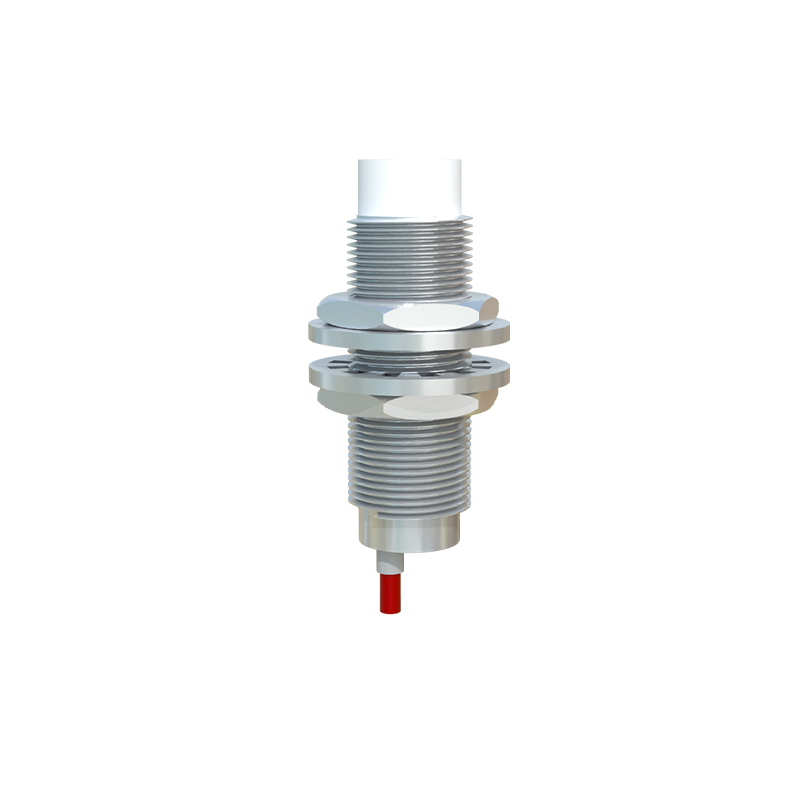
The recycling process for proximity sensors should be systematic. It begins with proper decommissioning: ensuring the sensor is safely disconnected from power sources and control systems. Following this, a sorting stage is crucial. Sensors should be categorized by type (e.g., inductive, capacitive) and condition. Non-functional sensors are prime candidates for full material recovery, while those with minor faults might be refurbished for secondary markets—a practice growing in popularity to support circular economy models.
Dismantling requires technical know-how. Specialized recycling facilities employ techniques to separate ferrite cores, copper windings, and PCB assemblies. These components are then processed through shredding, magnetic separation, and advanced sorting to recover metals like copper, aluminum, and steel. The plastics, often engineering-grade, can be granulated and repurposed. It is vital to partner with certified e-waste recyclers who adhere to environmental standards and can provide documentation for material traceability.
For electrical engineers and plant managers, integrating sensor recycling into asset management protocols is advisable. This includes maintaining logs of installed sensors, their end-of-life forecasts, and establishing partnerships with reputable recyclers. Training maintenance staff on proper handling during removal prevents damage that could complicate recycling. Moreover, considering recyclability during the procurement phase—opting for sensors designed with disassembly in mind—can enhance future recovery rates.
The economic angle is compelling. Recovered precious metals from electronic components have tangible market value. While the value per sensor may be small, large-scale industrial operations generate substantial volumes, making recycling programs financially viable. Additionally, reducing disposal fees and mitigating potential regulatory fines for improper e-waste handling contribute to the bottom line.
Technologically, the field is advancing. Automated disassembly lines and more efficient material separation technologies are improving recovery purity and yield. Furthermore, the rise of IoT and smart sensors adds complexity, as these units may contain batteries and more intricate circuits, underscoring the need for specialized recycling streams.
In conclusion, proximity sensor recycling is a multifaceted practice that intersects technical expertise, environmental stewardship, and economic prudence. For professionals in the electrical industry, embracing a proactive approach to end-of-life sensor management is no longer optional but a hallmark of responsible and forward-thinking engineering. By implementing robust recycling strategies, we not only conserve resources but also contribute to a more sustainable industrial ecosystem.