In the realm of industrial automation, reliable and precise object detection is paramount. Among the diverse array of sensing technologies, capacitive proximity sensors stand out for their unique ability to detect a wide range of materials, including metals, plastics, glass, wood, and even liquids or granular substances through non-metallic barriers. This versatility makes them indispensable tools in complex manufacturing, packaging, and process control environments.
Unlike their inductive counterparts, which only detect metallic objects, capacitive sensors operate on the principle of capacitance change. A capacitive sensor essentially forms one plate of a capacitor, with the target object acting as the other plate. The sensor generates an electrostatic field. When a target enters this field, it alters the dielectric constant and thus the capacitance of the system. The sensor's internal oscillator circuit monitors this change. Once the capacitance reaches a predetermined threshold, the sensor's output state switches, signaling the presence of the object. This fundamental principle allows for the detection of virtually any material that affects the electrostatic field.
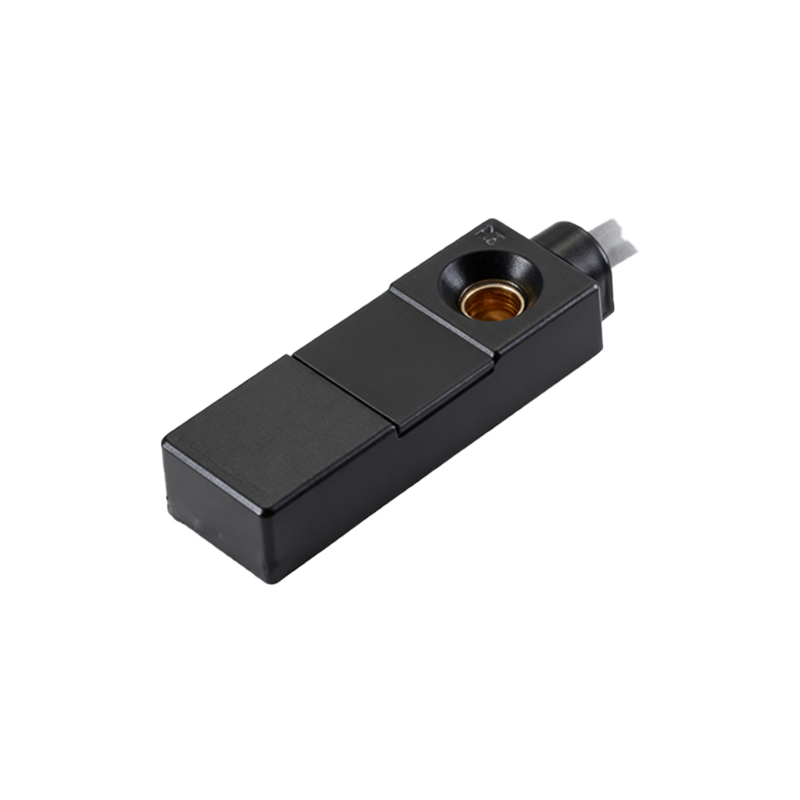
The construction of a typical industrial capacitive sensor is robust. It consists of a sensing face (often a metal plate or a specially designed electrode), an oscillator circuit, a signal evaluator, and a solid-state output switch (typically NPN, PNP, or Namur). The housing is usually made of corrosion-resistant materials like PBT or stainless steel, with ingress protection ratings of IP67 or higher, ensuring reliable operation in harsh conditions involving dust, moisture, and washdowns.
Key performance parameters define a sensor's suitability for an application. The rated sensing distance (Sn) is the nominal range under standardized conditions. It's crucial to note that the actual sensing distance can vary with the target material's dielectric constant; materials with higher constants (like water) are detected at greater distances than those with lower constants (like plastics). Hysteresis is the difference between the switch-on and switch-off points, which prevents output chatter when a target is at the sensing edge. Response frequency indicates how quickly the sensor can detect objects passing by, critical for high-speed counting or sorting tasks. Temperature drift specifies how the sensing distance is affected by ambient temperature changes, a vital consideration for unstable environments.
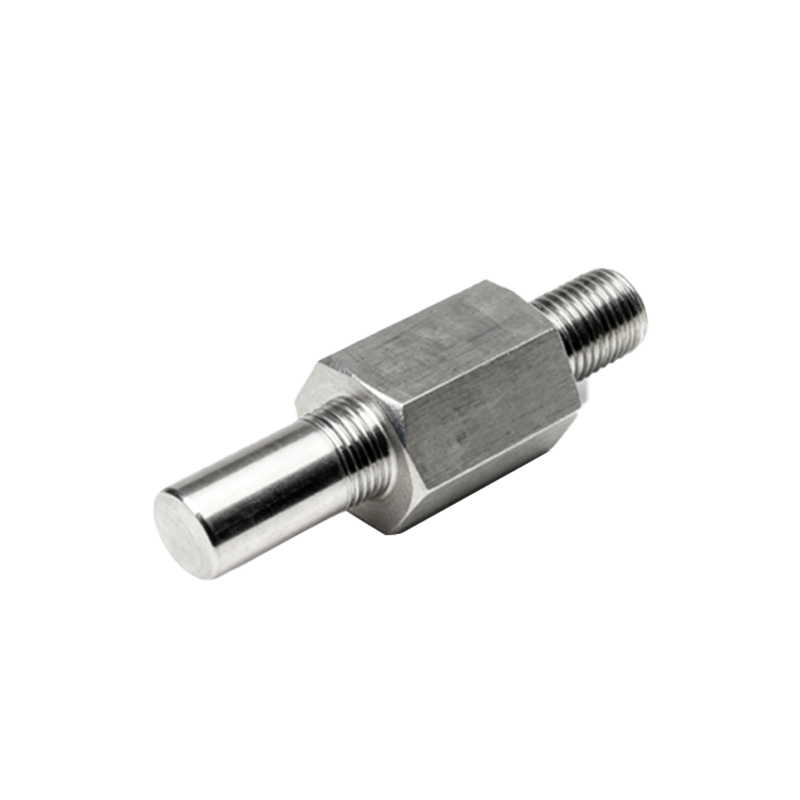
Applications for capacitive proximity sensors are vast and varied. In packaging, they detect the presence of liquid in bottles or the level of powder in containers, even through plastic or glass walls. In woodworking, they sense wood panels regardless of grain or finish. In the automotive industry, they monitor fluid levels in reservoirs. A particularly common use is as a non-contact level switch for bulk solids, granules, or liquids in silos and tanks. They can also detect the presence of a label on a product or the absence of a cap on a bottle.
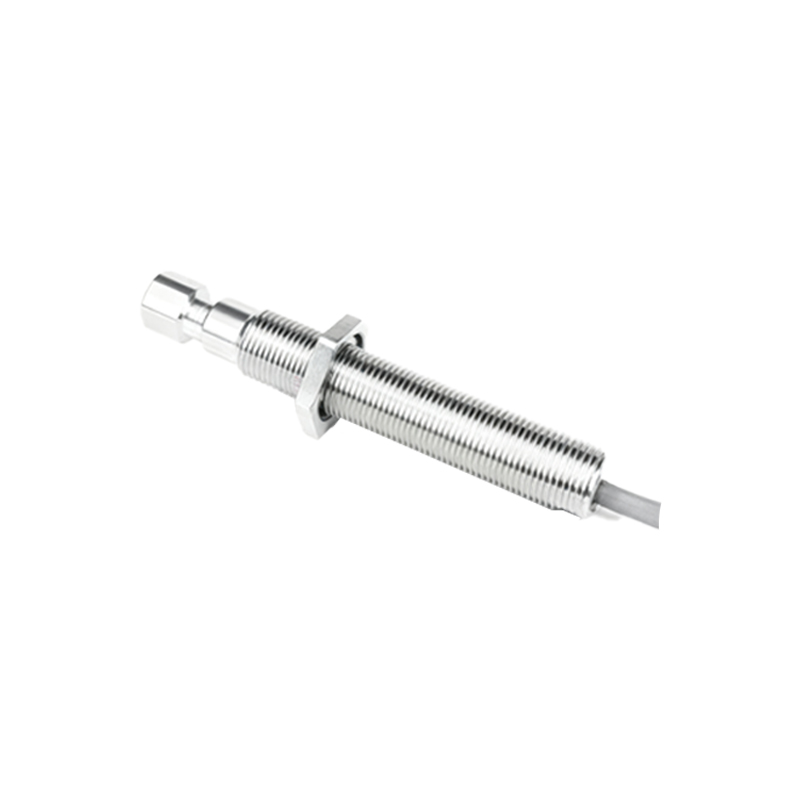
Selecting the right capacitive sensor requires careful analysis. First, identify the target material and, if applicable, the thickness and material of any intervening barrier. This determines the required effective sensing range. Next, consider the installation environment: Is it exposed to chemicals, high temperatures, or physical impacts? This dictates the housing material and IP rating. The electrical requirements are equally important: the supply voltage (e.g., 10-30V DC) and the type of output needed to interface with the PLC or controller (e.g., PNP normally open). For level control applications, sensors with adjustable sensitivity potentiometers are essential to fine-tune the sensing field and ignore the container wall, preventing false triggering.
Installation and commissioning also demand attention. Maintain adequate clearance from surrounding metal (the manufacturer's datasheet specifies this) to avoid the sensor "seeing" the mounting bracket instead of the target. For flush-mounted sensors, ensure they are installed in a non-metallic housing. Always use the potentiometer to set the sensitivity with the target in the desired position, ensuring a stable switching signal. Regular maintenance, though minimal, involves checking for buildup of material on the sensing face, which can alter the field and cause failure.
In conclusion, industrial capacitive proximity sensors offer a flexible and robust solution for material detection challenges where other sensors fall short. By understanding their operating principle, key specifications, and application nuances, engineers and technicians can effectively integrate these powerful devices to enhance automation system reliability, efficiency, and intelligence. Their ability to sense non-metallics through barriers unlocks possibilities for innovative control and monitoring in virtually every industrial sector.