In the realm of modern smartphone technology, proximity sensors play a crucial yet often overlooked role in enhancing user experience and device efficiency. These small, sophisticated components are integral to the seamless operation of smartphones, enabling a range of functionalities that users interact with daily without even realizing it. This article delves into the principles, applications, and advancements of proximity sensors in today's mobile devices.
At its core, a proximity sensor is an electronic device designed to detect the presence or absence of nearby objects without any physical contact. In smartphones, these sensors typically utilize infrared (IR) technology or capacitive sensing methods. The most common type is the IR-based proximity sensor, which consists of an IR LED emitter and an IR photodiode receiver. When the sensor is activated, the IR LED emits an infrared light beam. If an object, such as a user's face during a phone call, is close to the sensor, the light reflects back and is detected by the photodiode. This detection triggers a signal to the smartphone's processor, which then executes a predefined action, such as turning off the display to prevent accidental touch inputs and conserve battery life.
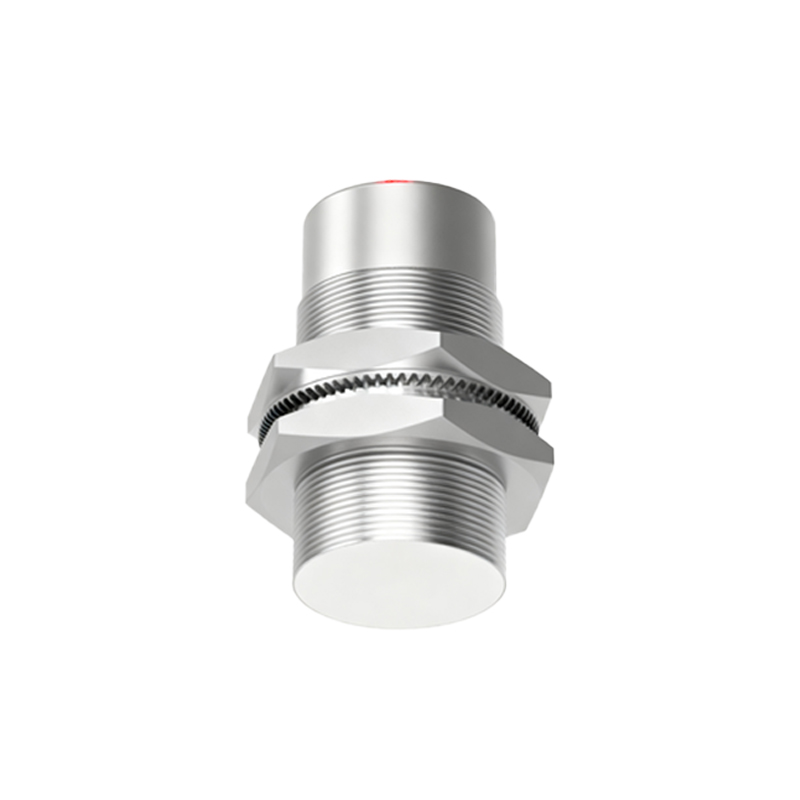
The primary application of proximity sensors in smartphones is during voice calls. When a user holds the phone to their ear, the sensor detects the proximity of the face and automatically deactivates the touchscreen. This not only prevents unintended button presses—like muting the call or launching apps—but also reduces power consumption by dimming or turning off the display. Once the phone is moved away from the ear, the sensor recognizes the change and reactivates the screen, allowing the user to end the call or use other features. This functionality is essential for maintaining call quality and user convenience.
Beyond call management, proximity sensors contribute to various other smartphone features. For instance, they are used in gesture control systems, where hand movements near the sensor can trigger actions like silencing alarms or answering calls without touching the screen. In some devices, these sensors assist in pocket mode detection, preventing accidental screen activations when the phone is stored in a pocket or bag. Additionally, they play a role in optimizing display brightness in response to environmental conditions, though this often involves collaboration with ambient light sensors.
The evolution of proximity sensors has seen significant improvements in accuracy, response time, and energy efficiency. Early versions were prone to errors, such as failing to detect certain surfaces or being affected by external light sources. Modern sensors incorporate advanced algorithms and calibration techniques to minimize false triggers and enhance reliability. For example, many smartphones now use dual or multi-sensor setups that combine proximity sensing with other sensors, like accelerometers or gyroscopes, to provide contextual awareness. This integration allows for smarter device behavior, such as distinguishing between a phone held to the ear and one placed on a table.
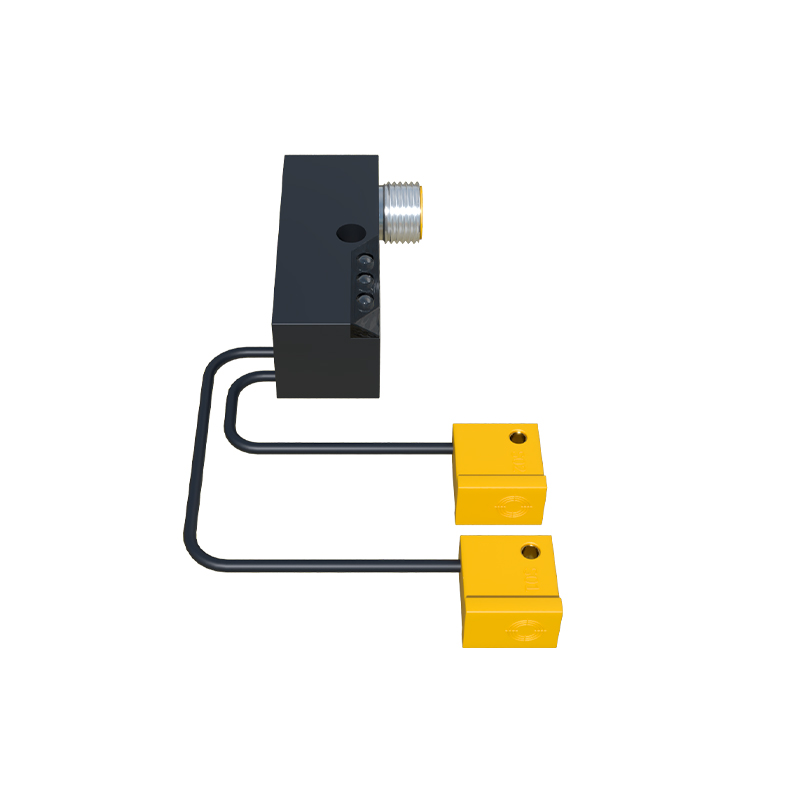
From an engineering perspective, the design and integration of proximity sensors pose several challenges. They must be compact enough to fit within the slim bezels of contemporary smartphones while maintaining sensitivity and durability. Engineers also need to consider factors like power consumption, as sensors that drain battery life can detract from overall device performance. Innovations in low-power semiconductor materials and signal processing have led to sensors that operate efficiently, often consuming minimal energy in standby modes. Furthermore, the rise of bezel-less and notch-display designs has driven the development of under-display proximity sensors, which are embedded beneath the screen to preserve aesthetics without compromising functionality.
Looking ahead, the future of proximity sensors in smartphones is likely to involve greater integration with artificial intelligence (AI) and machine learning. By analyzing sensor data over time, AI algorithms could predict user behavior and adapt sensor responses accordingly, offering a more personalized experience. For instance, a phone might learn how a user typically holds it during calls and adjust sensitivity thresholds to reduce errors. Additionally, as augmented reality (AR) and virtual reality (VR) applications become more prevalent on mobile platforms, proximity sensors could enable new interaction paradigms, such as detecting hand gestures for immersive controls.
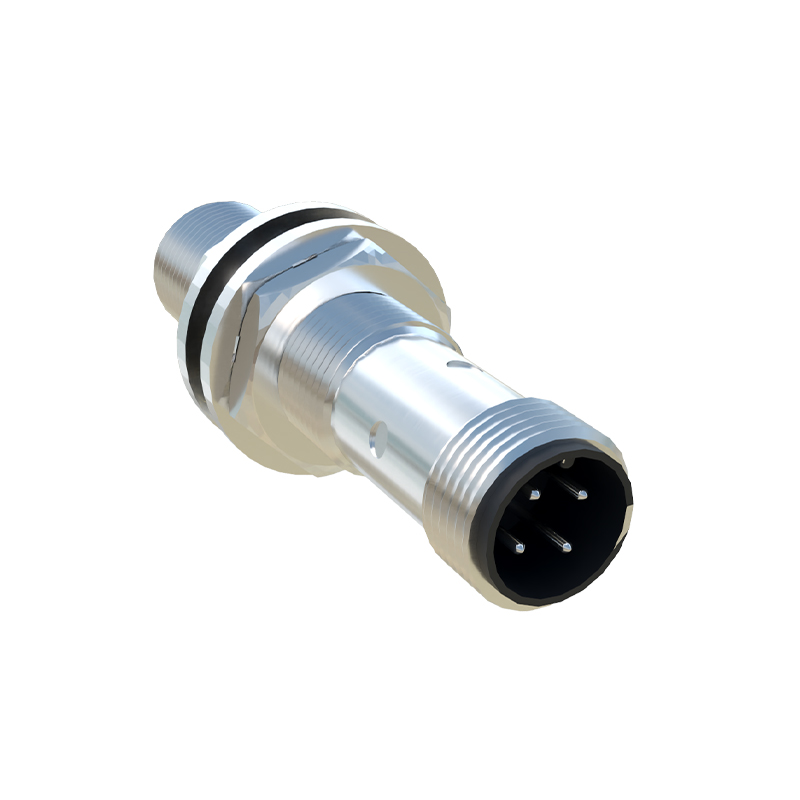
In conclusion, proximity sensors are vital components that contribute significantly to the functionality and user-friendliness of smartphones. Their ability to detect nearby objects enables key features like call screen management, gesture control, and power savings, all while operating discreetly in the background. As smartphone technology continues to advance, these sensors will evolve to support more innovative applications, driven by ongoing research in sensor miniaturization, energy efficiency, and intelligent systems. For engineers and tech enthusiasts alike, understanding the role of proximity sensors offers insight into the intricate engineering behind everyday devices.