In the intricate ecosystem of industrial automation, the proximity sensor stands as a silent sentinel. Its function—detecting the presence or absence of an object without physical contact—is deceptively simple. Yet, the journey from raw material to a reliable, high-performance sensor is a symphony of precision engineering, rigorous process control, and relentless quality assurance. A modern proximity switch factory is less a traditional assembly line and more a high-tech crucible where physics, electronics, and metallurgy converge.
The manufacturing odyssey begins with the core: the sensing element and oscillator circuit. For inductive sensors, designed to detect metals, this involves the precise winding of copper coils onto ferrite cores within specially designed housings. This is a realm of micron-level tolerances. Automated winding machines, operating in controlled environments to minimize dust, ensure each coil meets exact inductance and resistance specifications. Even a minor deviation can alter the sensor's switching point or temperature stability. Simultaneously, the electronic components—the oscillator ICs, amplifiers, and output stages—are sourced and subjected to incoming quality inspection (IQC). Advanced factories employ automated optical inspection (AOI) and X-ray systems to verify solder ball integrity on chips and detect hidden defects on printed circuit boards (PCBs) before assembly.
The heart of the factory is the clean assembly area. Here, surface-mount technology (SMT) lines place microscopic components onto PCBs with breathtaking speed and accuracy. Reels of resistors, capacitors, and integrated circuits feed into pick-and-place machines that position them with precision measured in micrometers. Following placement, the boards travel through reflow ovens where carefully profiled heat zones create permanent solder joints. For the sensor housing, typically made of nickel-plated brass, stainless steel, or high-grade PBT plastic, machining and molding occur with equal exactitude. Threads must be perfect to ensure an IP67 or IP69K rating for dust and water ingress protection. The assembly of the sensing face, a critical element often made of a specialized polymer that allows the electromagnetic field to pass while protecting the coil, is a delicate operation often performed in a sub-assembly cell.
Following assembly, the sensors do not simply roll off the line. They enter the critical phase of calibration and testing. This is where the factory's commitment to performance is proven. Each sensor is subjected to a battery of automated tests. A primary test checks the switching distance—the exact point at which the sensor activates. Using certified reference targets made of specific materials (e.g., mild steel for standard inductive sensors), automated rigs move the target toward the sensor face while monitoring the output. The sensor must trigger within a tight tolerance band, often a fraction of a millimeter of its nominal range. Environmental stress screening (ESS) follows, where batches of sensors undergo thermal cycling, from sub-zero temperatures to elevated heat, to identify early-life failures and ensure stability. Vibration and shock tests simulate the harsh realities of industrial environments, from machine tool chatter to conveyor belt impacts.
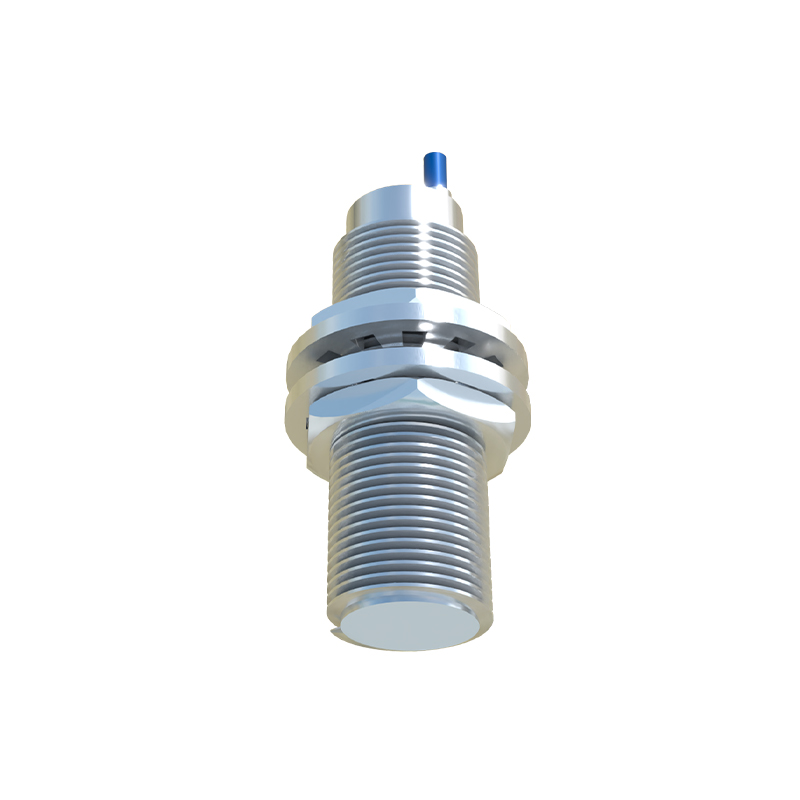
Finally, the output characteristics—whether NPN/PNP, NO/NC, analog, or IO-Link—are verified. For modern smart sensors with IO-Link capability, this includes digital communication tests to ensure proper parameterization and data exchange. Every test result is logged and traceable to each sensor's unique serial number, a cornerstone of modern quality management.
The final stage is packaging and logistics, but even here, automation reigns. Sensors are automatically labeled, paired with their technical documentation, and placed into packaging designed to prevent damage during transit. Warehouse management systems ensure the right sensor model reaches the customer, from a large OEM integrating them into packaging machinery to a plant maintenance team needing a single replacement.
Ultimately, a proximity sensor factory is a testament to controlled chaos. It is a place where raw materials are transformed into devices of remarkable reliability through a process defined by its absence of variability. The hum of SMT lines, the glow of reflow ovens, and the precise movements of test rigs all serve one goal: to produce a component so dependable that the end user forgets it's there—until, of course, it's needed. In the world of automation, that is the highest compliment a factory can receive.