Proximity switch sensors have become indispensable components in modern industrial automation, offering non-contact detection capabilities that enhance efficiency, reliability, and safety. Among the leading manufacturers in this field, Mingteng stands out for its innovative designs and robust performance. This article delves into the technical aspects, applications, and advantages of Mingteng proximity switch sensors, providing insights for engineers and industry professionals.
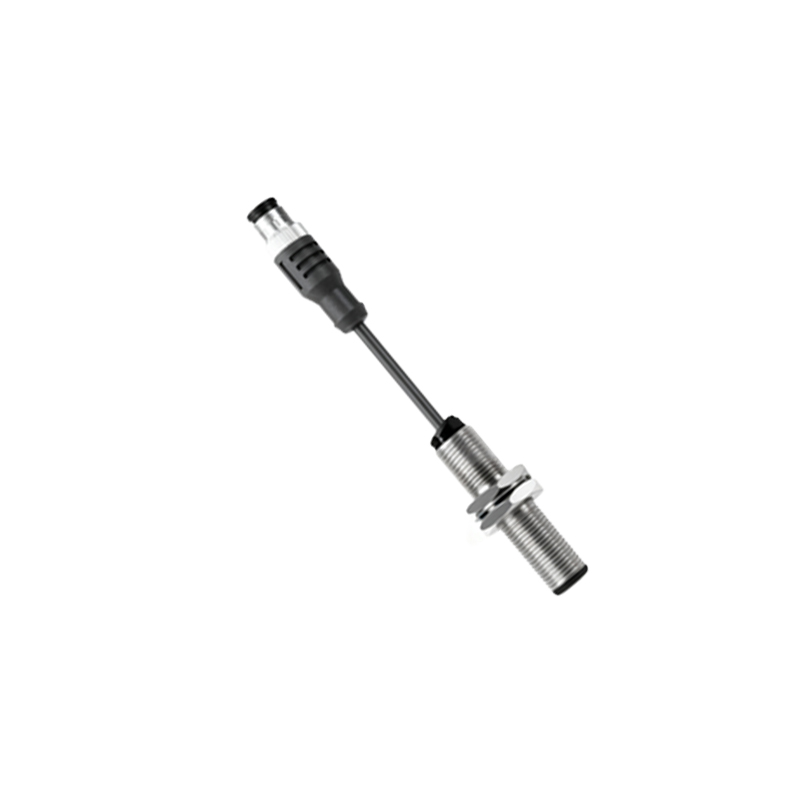
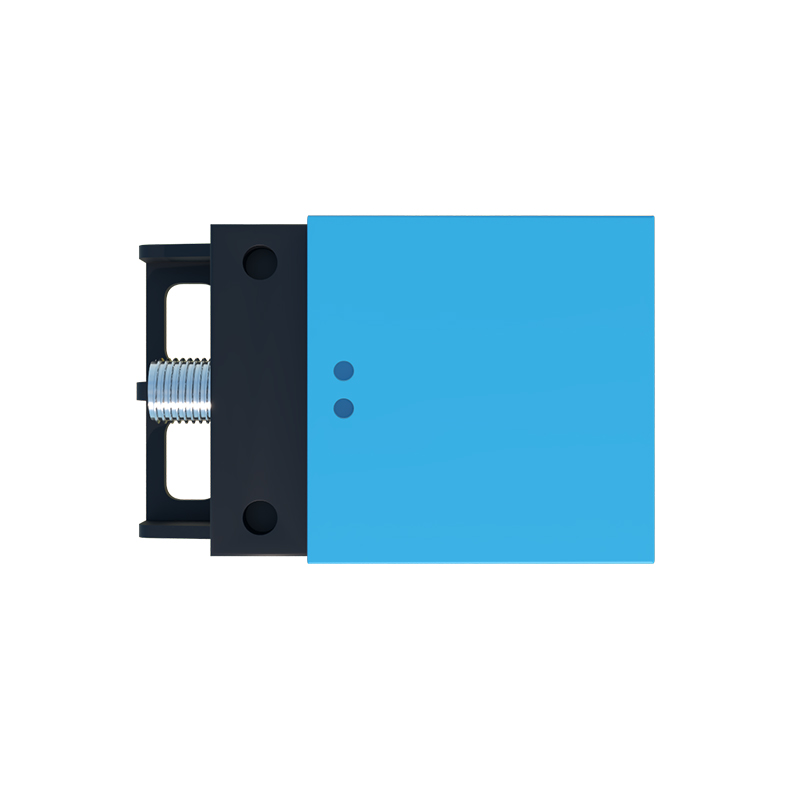
Mingteng proximity switch sensors operate on the principle of electromagnetic induction or capacitive sensing, depending on the model. Inductive sensors detect metallic objects without physical contact, making them ideal for harsh environments where dust, moisture, or mechanical wear could compromise traditional switches. Capacitive sensors, on the other hand, can detect both metallic and non-metallic materials, including liquids and plastics, expanding their utility across diverse industries. These sensors are engineered with high-precision components to ensure accurate detection ranges, typically from a few millimeters to several centimeters, with minimal response times.
One of the key strengths of Mingteng sensors lies in their durability. Constructed from materials such as stainless steel or nickel-plated brass, they withstand extreme temperatures, corrosive substances, and mechanical shocks. This makes them suitable for applications in manufacturing, automotive assembly, packaging, and material handling systems. For instance, in conveyor belt systems, Mingteng sensors monitor object presence and positioning, preventing jams and optimizing workflow. In robotic arms, they enable precise movement control by detecting end-effector positions, reducing errors and improving productivity.
Another notable feature is the integration of advanced technologies like IO-Link communication in some Mingteng models. This allows for real-time data exchange with programmable logic controllers (PLCs), facilitating predictive maintenance and system diagnostics. Engineers can monitor sensor performance, adjust parameters remotely, and receive alerts for potential failures, thereby minimizing downtime. Additionally, Mingteng offers a range of output options, including NPN, PNP, and analog signals, ensuring compatibility with various control systems.
Safety is a paramount concern in industrial settings, and Mingteng proximity switches contribute significantly to this aspect. By eliminating the need for physical contact, they reduce the risk of accidents and equipment damage. In hazardous areas, explosion-proof variants are available, certified to meet international standards such as ATEX and IECEx. These sensors are commonly used in oil and gas, chemical processing, and mining industries, where reliable detection is critical for preventing leaks or explosions.
From an economic perspective, Mingteng sensors offer long-term cost savings. Their non-contact nature means less wear and tear, leading to lower maintenance costs and extended operational lifespans. The high accuracy also reduces material waste and rework, enhancing overall efficiency. Moreover, the brand's commitment to quality control ensures consistent performance, with many products undergoing rigorous testing for shock resistance, vibration tolerance, and environmental sealing.
In summary, Mingteng proximity switch sensors represent a fusion of innovation and practicality in industrial automation. Their versatility, durability, and smart features make them a preferred choice for engineers seeking to optimize processes and ensure safety. As industries continue to embrace automation and Industry 4.0 initiatives, the role of such sensors will only grow, driving advancements in productivity and reliability.