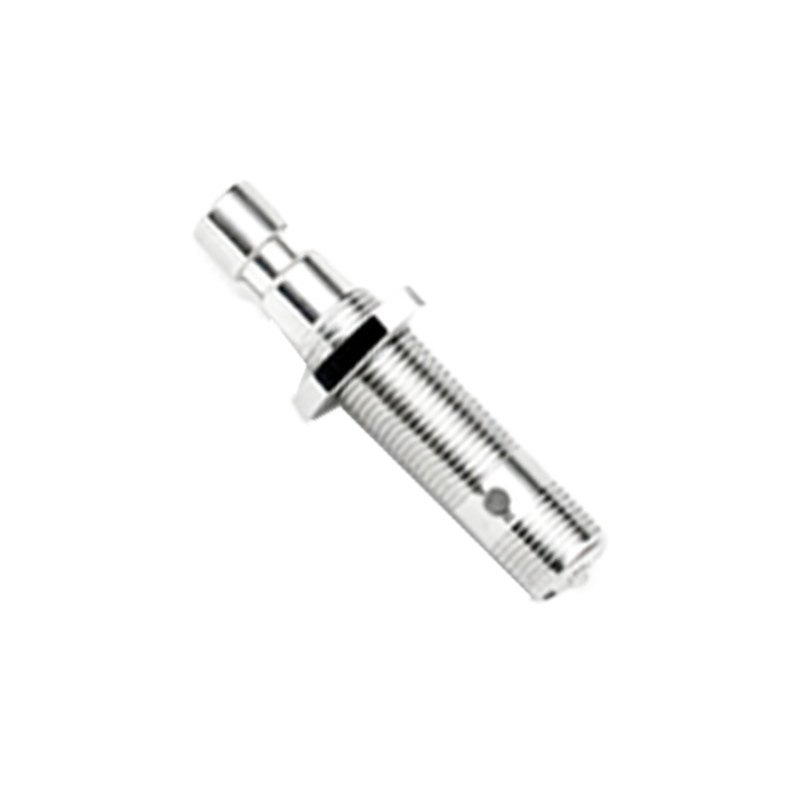
In today's automated industrial landscape, the reliable supply of photoelectric proximity sensors is a critical component for maintaining operational efficiency and precision. These non-contact devices, which detect the presence, absence, or distance of objects using a light transmitter and receiver, are indispensable in manufacturing, packaging, logistics, and robotics. The process of sourcing these sensors, however, extends far beyond simply finding a vendor. It involves a nuanced understanding of technical specifications, application environments, and supply chain dynamics to ensure a seamless integration and long-term reliability.
A primary consideration in the photoelectric proximity sensor supply chain is the selection of the appropriate sensing mode. Suppliers typically offer four main types: through-beam, retro-reflective, diffuse-reflective, and background suppression. Through-beam sensors, with separate emitter and receiver units, offer the longest sensing ranges and high reliability in dirty environments, making them a staple for conveyor belt monitoring. Retro-reflective types, which bounce light off a reflector, provide a practical balance of range and installation simplicity. For detecting objects without a reflector, diffuse-reflective sensors are the go-to choice, though their sensing distance is influenced by the object's color and surface. Background suppression sensors add a layer of sophistication, capable of detecting an object within a precise field while ignoring surfaces beyond it, which is vital for precise positioning tasks. A reputable supplier will not just catalog these options but will have the engineering support to guide buyers toward the optimal technology for their specific challenge, such as detecting transparent bottles or shiny metal parts.
The environmental robustness of a sensor is a non-negotiable factor. Industrial settings present hazards like dust, moisture, vibration, and chemical exposure. Therefore, the supply of sensors with suitable Ingress Protection (IP) ratings, such as IP67 or IP69K for washdown environments, is paramount. Furthermore, housing material matters; sensors with stainless-steel or ruggedized polymer housings are supplied for harsh conditions. Electrical characteristics are equally crucial. Consistent supply of models with the correct operating voltage (e.g., 10-30V DC or 90-250V AC), output type (PNP/NPN, analog, or IO-Link), and connection method (pre-wired cable or quick-disconnect) is essential for drop-in compatibility with existing control systems like PLCs.
Beyond the product itself, the structure and reliability of the supplier's network define a successful supply partnership. Key attributes include consistent inventory availability to minimize machine downtime, transparent lead times, and robust technical documentation. A supplier's value is increasingly measured by added services: comprehensive pre-sales application analysis, post-sales technical support, and flexible customization options for unique mounting or sensing needs. The rise of Industry 4.0 has also elevated the importance of sensors with smart capabilities. Suppliers are now expected to provide devices with IO-Link communication, which enables parameter setting, condition monitoring, and seamless data integration into higher-level control networks, facilitating predictive maintenance.
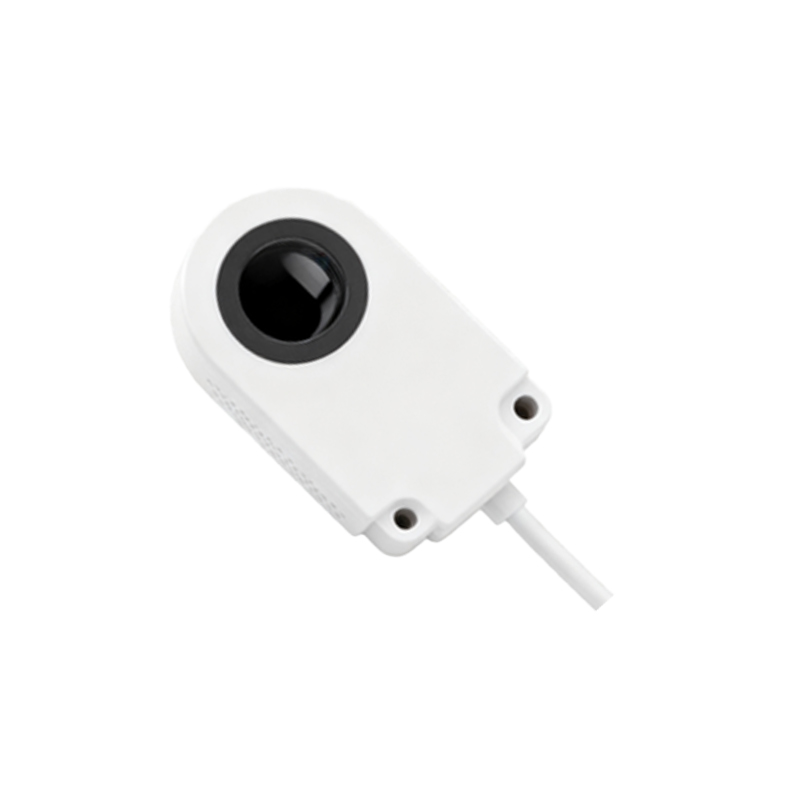
Global logistics and regional compliance form the backbone of any international supply strategy. A dependable supplier must navigate complex logistics to ensure on-time delivery, often supported by strategically located regional warehouses. Compliance with international standards (e.g., IEC, UL, CE) and specific regional safety regulations is not optional; it is a fundamental requirement for market access and operational safety. Finally, total cost of ownership (TCO) should guide procurement decisions more than unit price alone. This encompasses the sensor's longevity, energy efficiency, ease of installation, and maintenance needs. A slightly higher initial cost from a supplier known for quality and support often translates into significantly lower downtime and replacement costs over the sensor's lifecycle.
In conclusion, securing a supply of photoelectric proximity sensors is a strategic endeavor. It demands a partnership with suppliers who offer not just a product, but deep technical expertise, reliable logistics, and a commitment to quality that ensures sensors perform reliably in the demanding theater of modern automation. The right supply choice is an investment in uninterrupted productivity and operational intelligence.