Circular proximity sensor switches represent a fundamental component in modern automation and control systems. These devices detect the presence or absence of objects within a specified range without any physical contact, relying on electromagnetic fields, infrared light, or ultrasonic waves. The circular design, often referred to as barrel-shaped or cylindrical, is particularly favored in industrial environments due to its robustness, ease of installation, and consistent performance in harsh conditions.
The operational principle varies based on the sensing technology employed. Inductive proximity sensors, for instance, generate an oscillating electromagnetic field. When a metallic object enters this field, eddy currents are induced, causing a change in oscillation amplitude. This alteration is detected by the sensor's circuitry, triggering an output signal. Such sensors are ideal for detecting metals and are widely used in manufacturing lines for position verification, counting, and safety interlocks. Capacitive versions, on the other hand, can detect both metallic and non-metallic materials by measuring changes in capacitance caused by the object's dielectric properties. These are commonly applied in liquid level detection, material handling, and packaging industries.
A key advantage of circular proximity switches is their durability. Housed typically in stainless steel, brass, or nickel-plated brass, they offer high resistance to mechanical stress, chemicals, and extreme temperatures. Many models comply with IP67 or IP68 ratings, ensuring protection against dust and water ingress. This makes them suitable for demanding applications in automotive, food processing, and outdoor machinery.
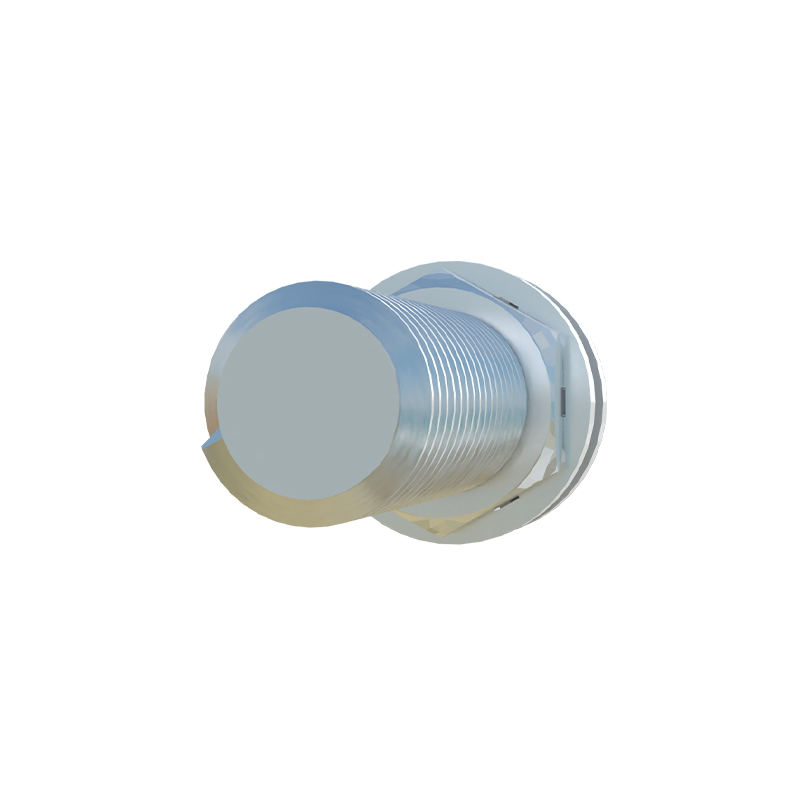
Installation is straightforward: the sensor is mounted via its threaded barrel into a pre-drilled hole, often secured with locknuts. The sensing face is usually at the front end, with detection ranges varying from a few millimeters to several tens of millimeters, depending on the model and target material. Alignment is less critical compared to rectangular sensors, as the circular symmetry provides a uniform detection field. Wiring generally involves three or four connections for DC versions (e.g., PNP or NPN outputs) and two for AC models, with LED indicators simplifying diagnostics.
When selecting a circular proximity sensor, several factors must be considered. The sensing distance, influenced by the target's size, material, and orientation, should be chosen with a safety margin to account for environmental variations. Temperature stability is crucial in applications with thermal fluctuations, as extreme heat or cold can affect performance. Additionally, output type (digital or analog), switching frequency, and voltage compatibility must align with the control system requirements.
In practice, these sensors enhance efficiency and safety. On conveyor belts, they detect jams or count products; in robotic arms, they ensure precise positioning; in hazardous areas, they enable touchless operation, reducing wear and risk. Regular maintenance involves checking for physical damage, contamination buildup, and electrical integrity, though their non-contact nature minimizes wear over time.
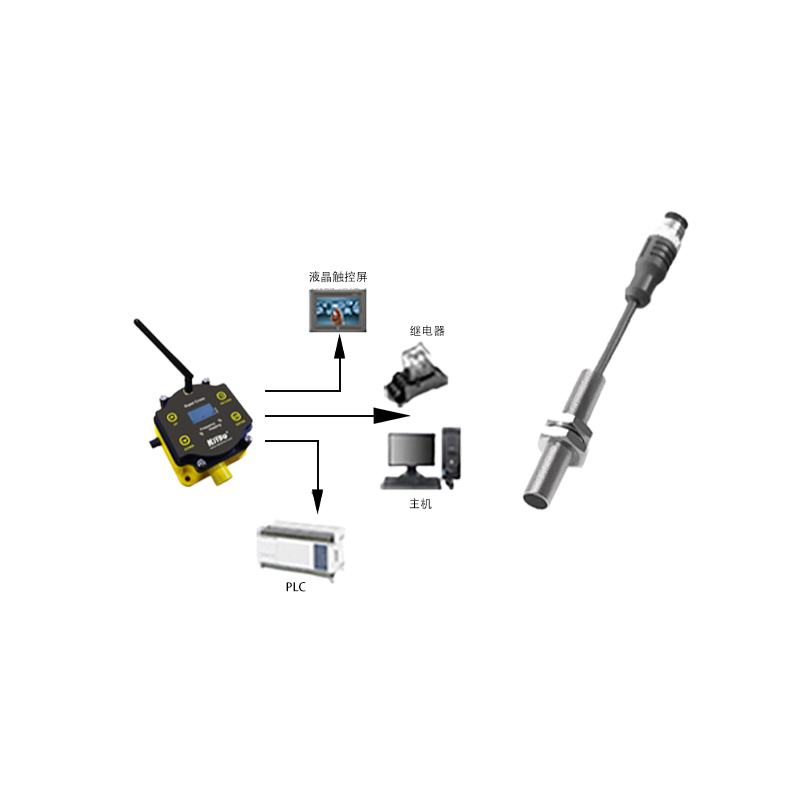
Emerging trends include the integration of IO-Link communication, allowing for parameter adjustment, diagnostics, and data exchange via a standard interface. This supports Industry 4.0 initiatives by enabling predictive maintenance and real-time monitoring. Furthermore, miniaturized circular sensors are gaining traction in compact automation modules and consumer electronics.
Despite their reliability, users should be aware of limitations. Inductive sensors cannot detect non-metals, while capacitive types may be affected by humidity or material composition. Electromagnetic interference in high-noise environments can also cause false triggering, necessitating proper shielding and installation practices.
Overall, circular proximity sensor switches are indispensable in automation, offering a blend of precision, resilience, and versatility. Their continuous evolution in smart features and materials ensures they remain at the forefront of industrial innovation, driving productivity and operational safety across diverse sectors.