In the realm of industrial automation, proximity sensors serve as the silent sentinels, enabling precise detection and control without physical contact. Among these, the K020 proximity sensor has established itself as a reliable and versatile component across numerous applications. This article delves into the technical specifications, operational principles, and practical implementation of the K020 sensor, providing engineers and technicians with essential insights for optimal integration.
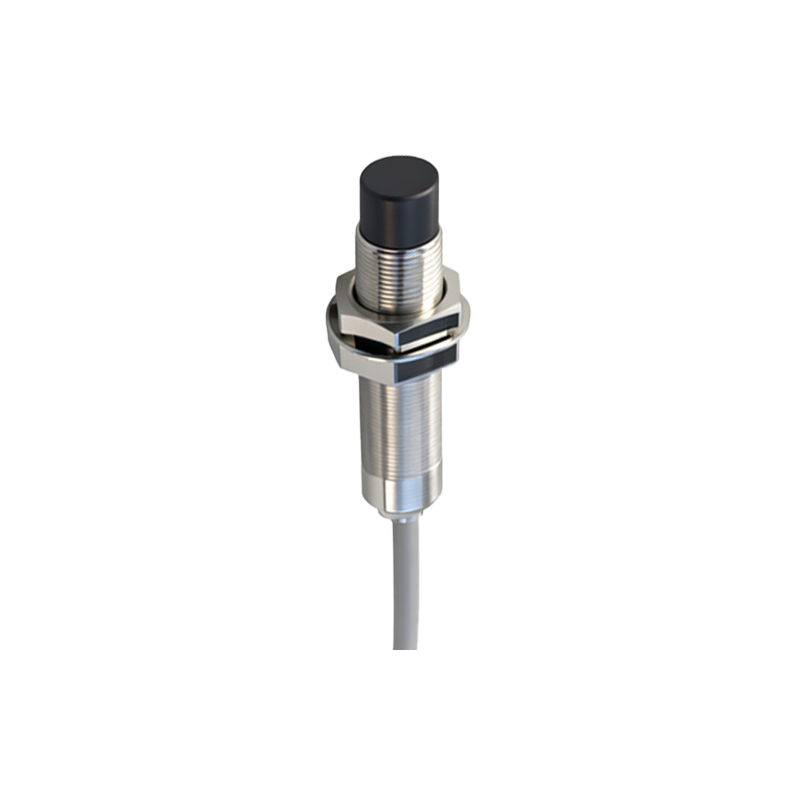
The K020 is an inductive proximity sensor, primarily designed to detect metallic objects. Its core working principle relies on electromagnetic induction. The sensor generates an oscillating electromagnetic field via an internal coil. When a metallic target enters this field, eddy currents are induced on the target's surface, causing a change in the oscillation amplitude. This change is detected by the sensor's circuitry, which subsequently triggers a switching output—typically a solid-state PNP or NPN transistor. This non-contact operation is a key advantage, eliminating mechanical wear and ensuring a long operational life even in demanding environments.
Key specifications of the K020 sensor define its application scope. It commonly features a sensing range from 2mm to 15mm, depending on the specific model and target material (standardized for mild steel). The housing is usually constructed from nickel-plated brass or stainless steel, offering robust resistance to oils, coolants, and minor physical impacts. Most variants boast an IP67 or higher ingress protection rating, making them suitable for washdown areas and dusty conditions. The operating voltage range is typically 10-30V DC, with a switching frequency that can reach up to 1kHz, allowing for high-speed detection on production lines. Output configurations include normally open (NO), normally closed (NC), and analog options, providing flexibility for various control logic requirements.
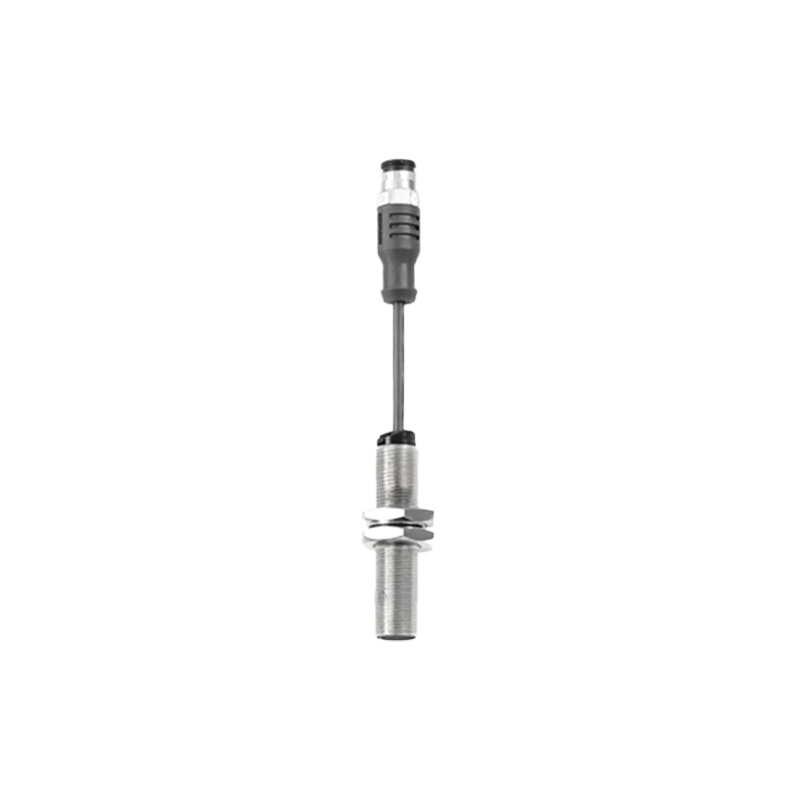
Installation and wiring are straightforward but require attention to detail for reliable performance. Engineers must consider the sensor's mounting, ensuring adequate clearance from surrounding metal structures to prevent false triggering—a concept known as the "flush-mountable" or "non-flush" design consideration. For non-flush models, a lateral clearance zone is necessary. Wiring should adhere to the manufacturer's datasheet, correctly connecting the brown wire (typically +V), blue wire (0V or common), and black wire (load/output). Shielding the cable in electrically noisy environments is a recommended best practice to prevent electromagnetic interference (EMI) from causing erratic behavior.
The applications for the K020 proximity sensor are extensive. In automotive assembly, they are used for part presence verification on robotic arms. In packaging machinery, they count metallic items on conveyor belts. Within material handling, they provide position feedback for actuators and cylinders. A critical maintenance tip involves regular cleaning of the sensor face to prevent buildup of metallic swarf or debris, which can attenuate the sensing field and reduce the effective range. Troubleshooting often begins with checking the power supply and LED indicator status, followed by verifying the target material, size, and approach speed against the sensor's specifications.
When selecting a K020 sensor for a project, engineers must evaluate several factors beyond the basic specs. The target material is paramount; while optimized for steel, the sensing distance reduces for non-ferrous metals like aluminum or copper (often requiring a reduction factor). The environmental temperature range, typically -25°C to +70°C, must accommodate the installation site. For applications involving welding equipment, models with welded-metal immunity (WMI) are essential to withstand strong magnetic fields. Compatibility with the programmable logic controller (PLC) input type (sourcing or sinking) is also a crucial wiring consideration.
In conclusion, the K020 proximity sensor represents a fundamental building block in modern industrial control systems. Its durability, non-contact sensing, and adaptability make it indispensable for automation tasks requiring accuracy and reliability. By understanding its technical parameters and adhering to proper installation guidelines, engineers can leverage this sensor to enhance machine efficiency, improve safety, and reduce downtime. As Industry 4.0 evolves, such robust components continue to form the reliable backbone of interconnected smart factories.