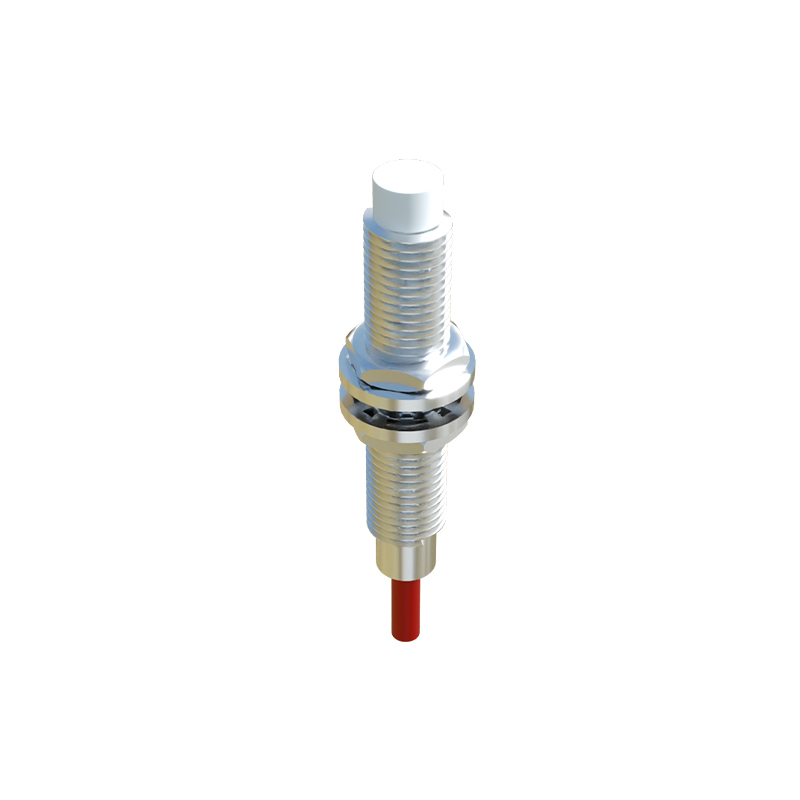
DC sensor proximity switches are essential components in modern industrial automation, offering reliable non-contact detection of metallic objects. These switches operate on direct current (DC) power sources, typically ranging from 10 to 30 volts DC, making them suitable for a wide array of factory and machinery applications. Unlike mechanical limit switches, proximity switches detect objects without physical contact, thereby reducing wear and tear and ensuring longer operational life.
The working principle of a DC proximity switch is based on electromagnetic induction or capacitive sensing, depending on the type. Inductive proximity switches, the most common variant, generate an oscillating electromagnetic field. When a metallic object enters this field, eddy currents are induced in the object, causing a change in the oscillation amplitude. This change is detected by the sensor's circuitry, which then triggers a solid-state output signal. The output can be either normally open (NO) or normally closed (NC), and it is often in the form of a transistor switch, such as NPN or PNP configurations, compatible with programmable logic controllers (PLCs) and other control systems.
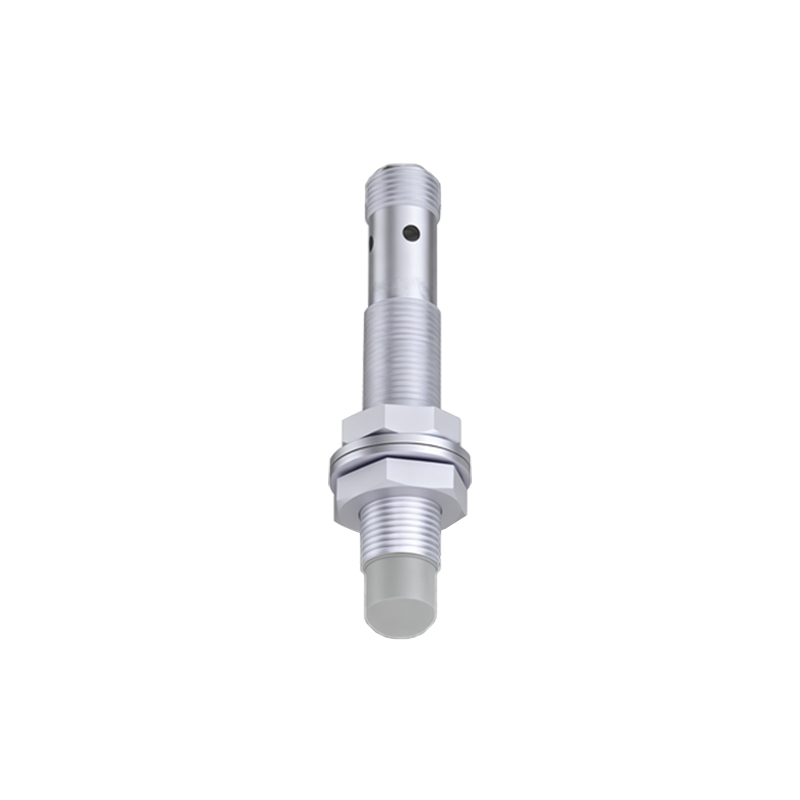
Key advantages of DC proximity switches include high switching frequency, resistance to environmental contaminants like dust and moisture (with appropriate IP ratings), and minimal maintenance requirements. They are available in various housing materials, such as stainless steel or nickel-plated brass, to withstand harsh industrial conditions. Selecting the right sensor involves considering factors like sensing distance, target material, temperature range, and electrical specifications. For instance, the nominal sensing distance, often specified as Sn, should be chosen with a safety margin to account for installation tolerances and target variations.
Installation and wiring are straightforward but require attention to detail. DC proximity switches typically have three wires: brown for positive supply, blue for negative or ground, and black for the output signal. Proper shielding and grounding are crucial to prevent electrical noise interference, especially in environments with variable frequency drives or welding equipment. Regular testing with the intended target material ensures optimal performance, as different metals (e.g., steel, aluminum, copper) can affect the effective sensing range due to their material-specific permeability and conductivity.
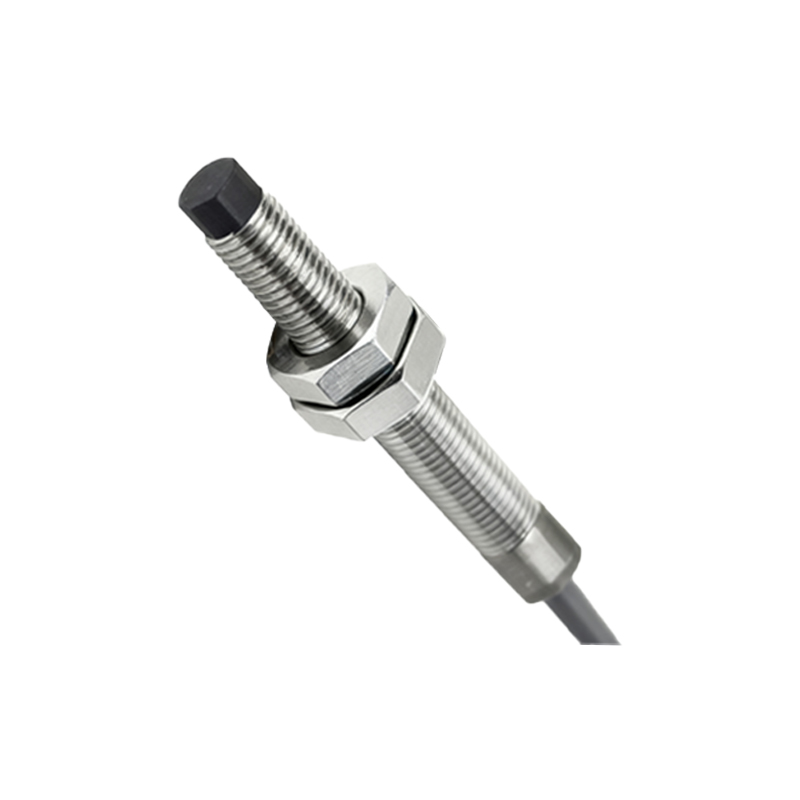
In summary, DC sensor proximity switches are vital for enhancing efficiency and safety in automated systems. Their non-contact nature, durability, and compatibility with digital controls make them indispensable in applications from conveyor belt monitoring to robotic assembly lines. As Industry 4.0 evolves, these sensors continue to integrate with smart networks, providing real-time data for predictive maintenance and process optimization.