In the realm of industrial automation, proximity switch sensors are indispensable components for non-contact detection of objects. Their performance, however, is heavily reliant on the quality and compatibility of their connectors. JD.com, as a major global e-commerce platform, has become a significant sourcing channel for these critical components. This article provides a technical overview of proximity switch sensor connectors available on JD.com, focusing on selection criteria, common specifications, and procurement best practices for engineers and procurement specialists.
Proximity sensors, including inductive, capacitive, and magnetic types, require robust connectors to ensure signal integrity, power delivery, and environmental protection. The connector serves as the critical interface between the sensor and the control system (e.g., PLC). On JD.com, one can find a vast array of connectors from international brands like Siemens, Omron, Pepperl+Fuchs, and Schneider Electric, as well as reliable domestic manufacturers. The primary connector types listed include M8, M12, M5, and various rectangular multi-pin designs, with M12 being the industry standard for many sensor applications due to its balance of size, robustness, and widespread adoption.
Key technical parameters must be evaluated when selecting a connector on JD.com. First is the pin configuration: 3-pin, 4-pin, or 5-pin, which corresponds to the sensor's wiring (e.g., PNP/NPN output, dual output, or analog output). The IP (Ingress Protection) rating is paramount; for harsh industrial environments, a rating of IP67 or IP68 is typically required to withstand dust, water jets, and temporary immersion. The material of the connector body and seal—usually PBT plastic or metal with silicone or PUR cable glands—directly impacts its durability against oils, chemicals, and mechanical stress.
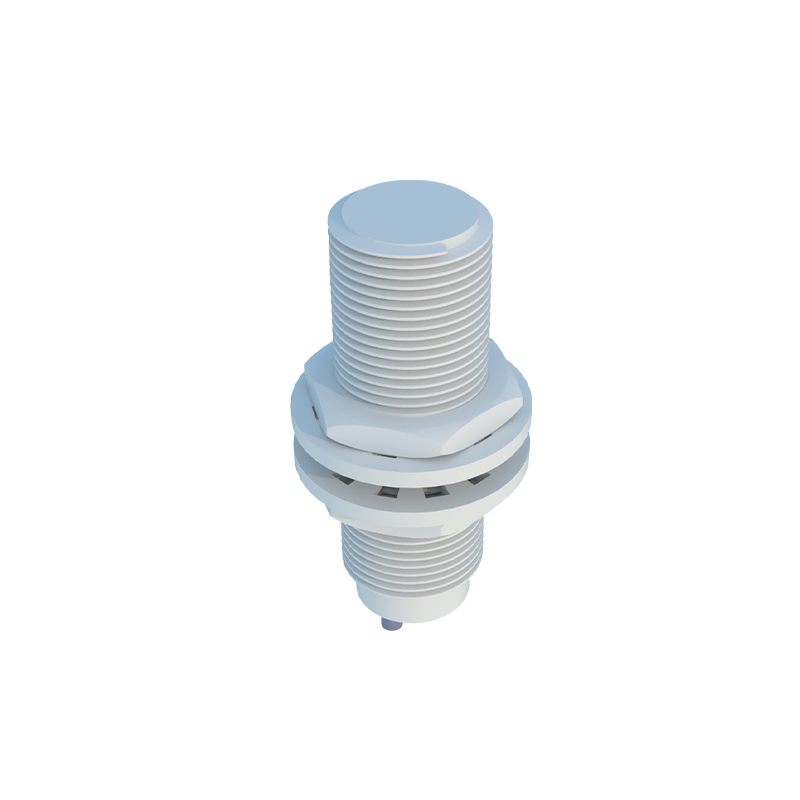
Furthermore, the cable type is integral. JD.com listings specify whether the connector is pre-wired with a PVC or PUR cable. PUR cables offer superior resistance to abrasion, oils, and solvents, making them suitable for demanding applications in automotive manufacturing or food processing. The cable length, ranging from 2 meters to 10 meters or more, must be chosen based on the machine layout. Engineers should also verify the connector's threading (standard or reverse) and coding (A-coded for sensors, B-coded for fieldbus, etc.) to prevent mating errors with existing receptacles.
Procuring these components on JD.com offers advantages like competitive pricing, detailed product specifications, user reviews, and often faster logistics compared to traditional distributors. However, technical diligence is required. It is crucial to cross-reference the product listing's specifications with the sensor's datasheet. Pay close attention to the connector's gender (plug or socket), the mating cycle rating, and the operating temperature range. Verified buyer reviews can provide practical insights into product quality and compatibility that may not be evident from the product description alone.
For bulk procurement, JD.com's business-to-business (B2B) services can facilitate customized quotes and volume discounts. Establishing a relationship with a reputable supplier store on the platform can ensure consistency in quality and supply. Always confirm that the connector complies with relevant international standards, such as IEC 61076-2, to guarantee interoperability and safety.
In conclusion, JD.com serves as a powerful tool for sourcing proximity sensor connectors, offering variety and accessibility. A successful purchase hinges on a clear understanding of the sensor's electrical requirements, the environmental conditions, and the mechanical interface. By meticulously analyzing the technical data provided in JD.com listings and leveraging user feedback, engineers can secure reliable connectors that ensure the seamless and durable operation of their automation systems, minimizing downtime and maintenance costs.